Volkswagen fined $13 million in Brazil for Amarok emissions fraud
Brazil’s environmental regulator has fined Volkswagen 50 million reais after finding defeat devices in over 17,000 Amarok pickups sold in the country.
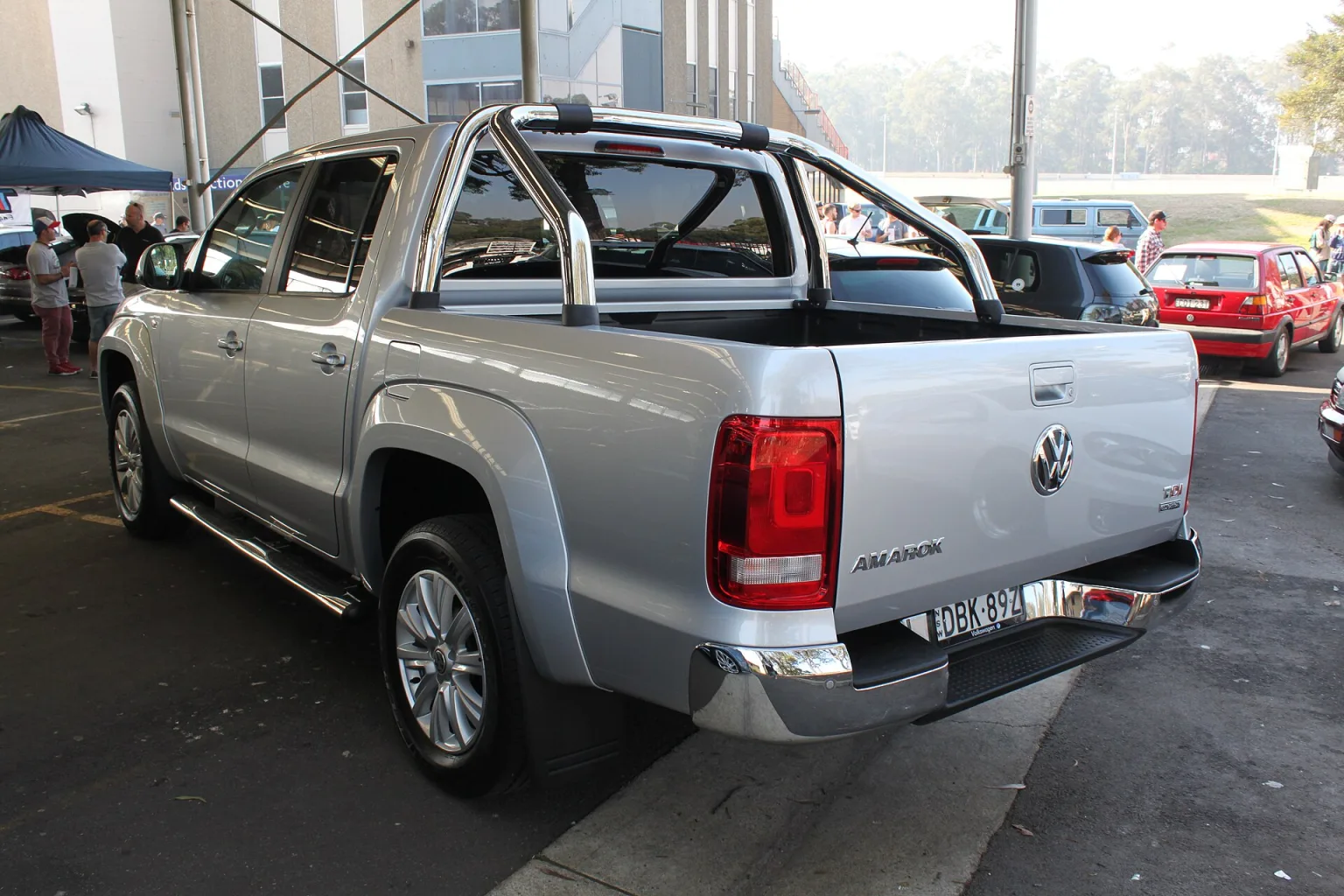
Volkswagen has been fined 50 million reais (about $13 million) by Brazil’s environmental regulator, the Brazilian Institute of Environment and Renewable Natural Resources (IBAMA), after it was found that the company had installed defeat devices in more than 17,000 Amarok pickups to circumvent local emissions tests. According to IBAMA, a total of 17,057 diesel-powered Amarok pickups sold in Brazil are affected. These vehicles include models from 2011 and some from 2012. The defeat device, a type of software modification, allowed these vehicles to pass emissions tests by artificially reducing emissions during testing conditions. Outside of official tests, however, the vehicles emitted pollutants at levels above the legal limits.
Details of the Fine and Affected Vehicles
| Model Year | Number of Vehicles | Type of Modification |
|---|---|---|
| 2011 | Not specified (part of 17,057 total) | Defeat device software |
| 2012 (some) | Not specified (part of 17,057 total) | Defeat device software |
Volkswagen was formally notified by IBAMA and is now required to submit a rectification plan to correct the software in the affected vehicles. The recall will focus specifically on removing or updating the emissions-cheating software. IBAMA has stated that this fix will not affect the engine performance of the Amarok pickups. Volkswagen acknowledged the presence of the defeat device in a letter to the agency, confirming that the same device found in its US vehicles was also present in the Brazilian Amaroks.
Background to the Investigation
The investigation in Brazil began shortly after the United States Environmental Protection Agency (EPA) issued a notice of violation to Volkswagen, Audi, and Volkswagen Group of America in September 2015. The EPA found that the automaker had used similar software in four-cylinder diesel vehicles sold in the US between 2009 and 2015. Following this, IBAMA required Volkswagen’s Brazilian subsidiary to provide information on all vehicles sold in Brazil that could be affected by the emissions-cheating software. In October 2015, Volkswagen confirmed that the Amarok diesel models sold in Brazil from 2011 and some from 2012 contained the defeat device.
Recall and Compliance Measures
As a result of the findings, Volkswagen must organise a recall for the 17,057 affected Amarok pickups to bring them into compliance with Brazilian emissions regulations. The recall will be limited to correcting the software and is not expected to impact the overall performance or reliability of the vehicles. Owners of these vehicles will be contacted by Volkswagen with instructions on how to proceed with the recall process. The company is expected to submit its rectification plan to IBAMA as part of the enforcement action.
- Recall limited to software correction for emissions compliance
- No expected impact on engine performance or reliability
- Volkswagen to contact affected owners with recall instructions
- Rectification plan to be submitted to IBAMA
Broader Impact of the Emissions Scandal
The penalty imposed by IBAMA adds to the global consequences of Volkswagen's diesel emissions scandal. The company has already faced significant fines and mandatory recalls in Europe and the United States. In response to the scandal, Volkswagen set aside billions of dollars to cover the costs of recalls, legal settlements, and regulatory penalties worldwide. The Brazilian fine highlights the international scope of the issue and the continued scrutiny the automaker faces from regulators in multiple countries.
The emissions fraud has led to increased regulatory oversight and changes in emissions testing procedures in several countries. For affected customers in Brazil, the recall aims to ensure that their vehicles meet national environmental standards without compromising engine function. The case remains a significant example of how international cooperation between regulatory agencies can uncover and address automotive industry misconduct.