Volkswagen plans its own battery plant for electric future
Volkswagen is preparing to build a dedicated battery factory, aiming to bring cell production in-house as it accelerates its electric vehicle strategy.
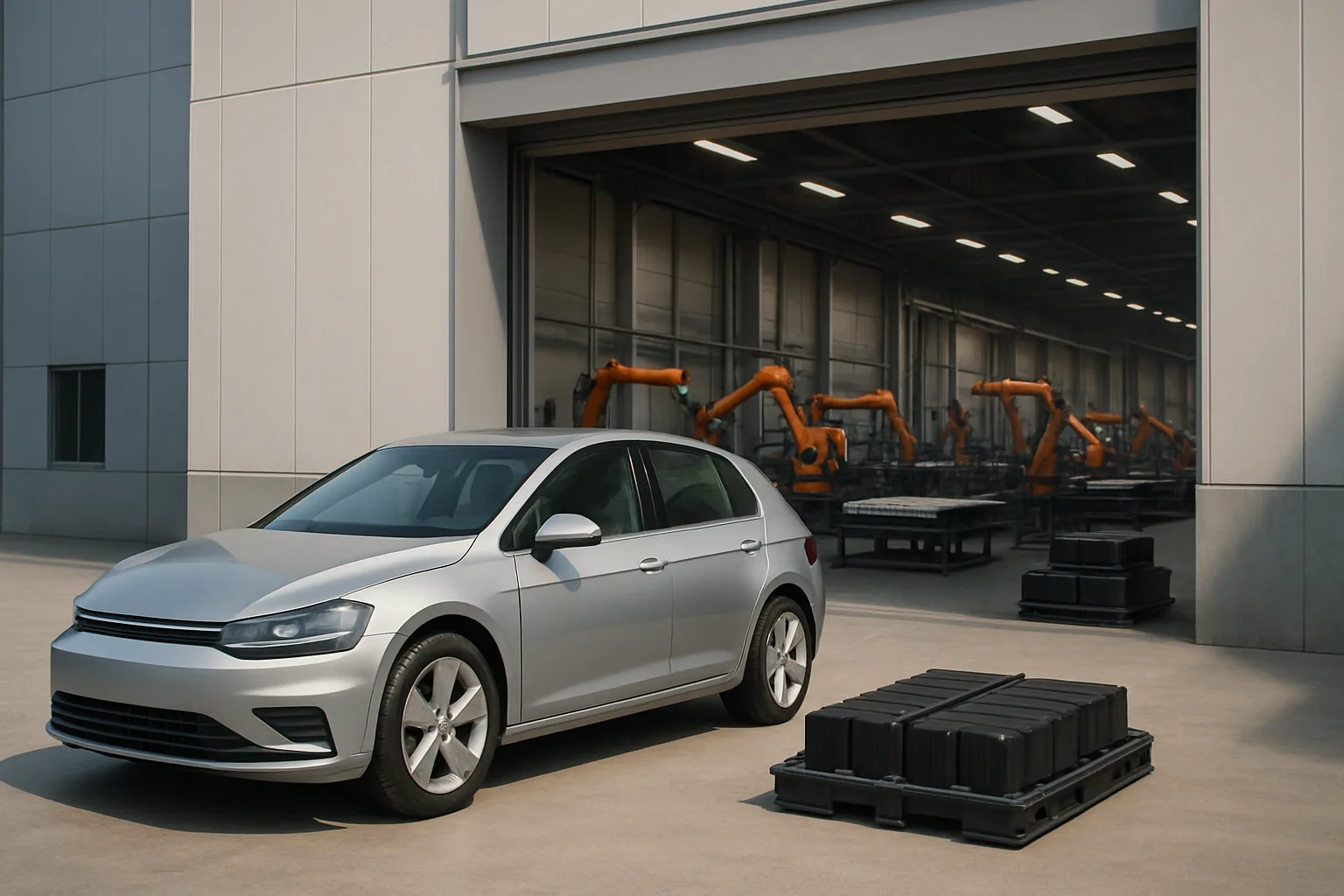
Volkswagen is moving towards building its own battery plant, with the company’s executive board close to approving a multi-billion-euro investment to support its electric vehicle ambitions. The plan, reported by Handelsblatt, would see VW reduce its dependence on established battery suppliers such as Panasonic, LG and Samsung.
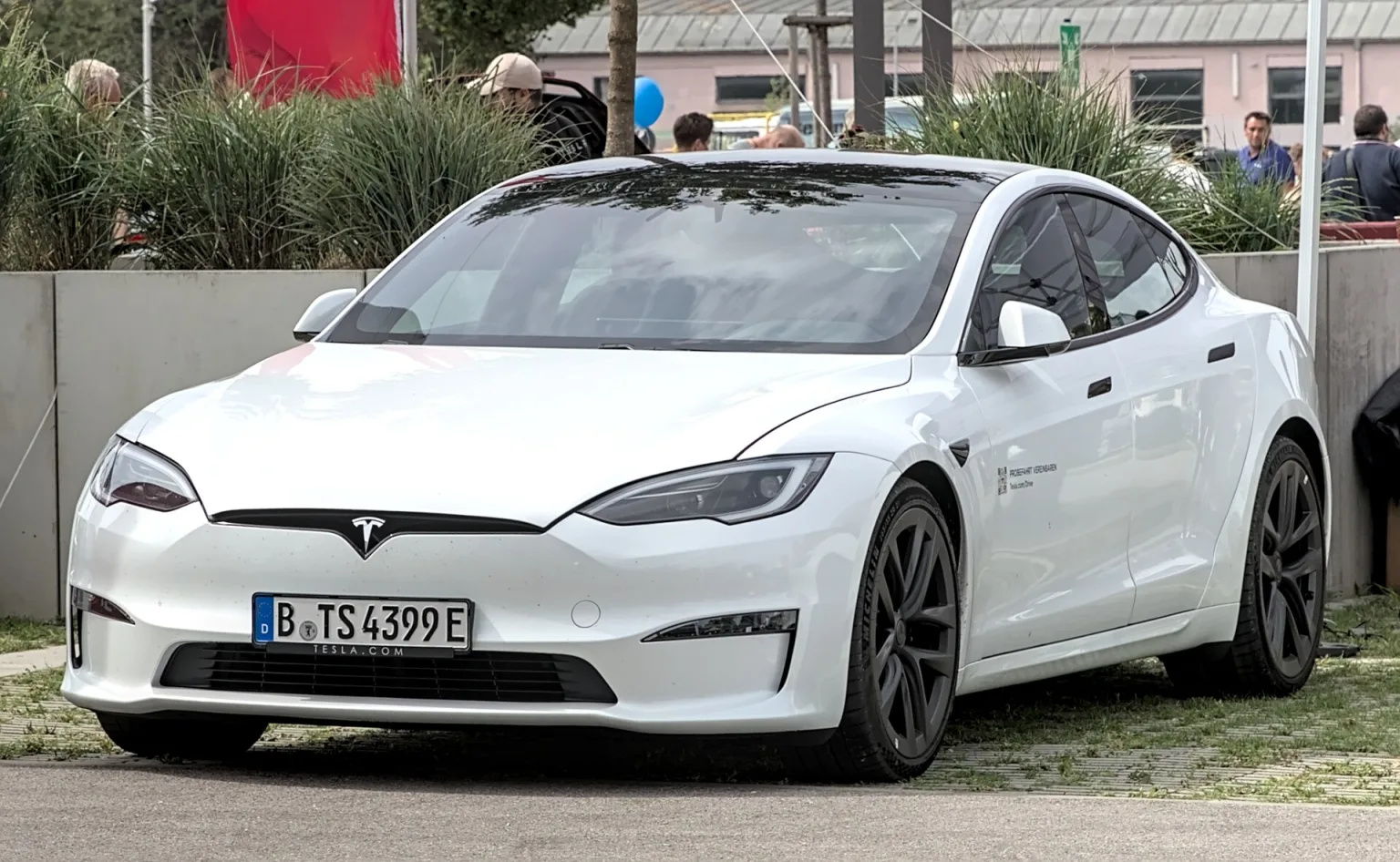
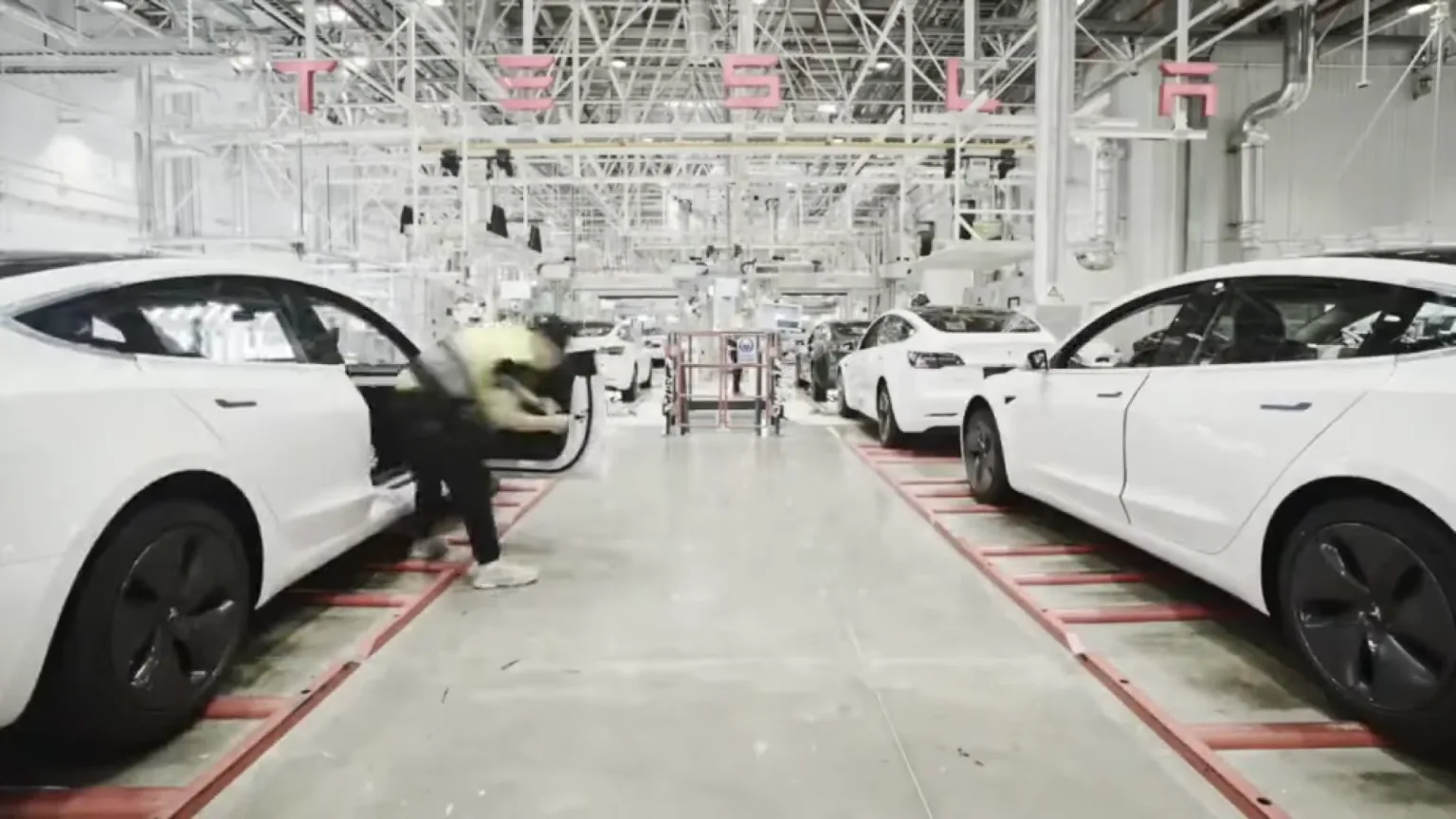
The move comes as Volkswagen targets a sharp increase in electrified vehicle production over the next decade. The company has stated its intention to launch 20 new plug-in models by 2020 and aims to deliver around one million electric vehicles by 2025. VW’s strategy echoes industry trends, with rivals such as Tesla already investing heavily in their own battery manufacturing facilities. Tesla’s Gigafactory in Nevada, for instance, was developed to support its goal of producing 500,000 vehicles per year by 2018.
Reducing reliance on battery suppliers
At present, Volkswagen sources battery cells from a mix of Asian suppliers. Bringing cell production in-house would give VW greater control over costs, supply security and technology development. This strategy mirrors moves by other major carmakers to secure battery supply as electric vehicle volumes rise and competition for cells intensifies.
The decision to invest in battery manufacturing is also driven by tightening emissions regulations in Europe and elsewhere. Volkswagen is under pressure to improve its environmental credentials, particularly in the wake of the diesel emissions scandal. Building its own battery plant would demonstrate a commitment to electrification and help position the group as a leading player in the transition away from combustion engines.
Industry context and next steps
If approved, Volkswagen’s battery factory would join a growing list of European and global battery projects. Renault-Nissan, for example, began construction of its Sunderland battery plant in 2010 to support EV production in the UK (see /construction-begins-of-first-renault-nissan-alliance-battery-plant-in-europe). Tesla’s Nevada Gigafactory, meanwhile, has become a benchmark for scale in the sector (see /nevada-is-teslas-official-choice-for-the-5-billion-battery-gigafactory).