Volkswagen to Export European Cars to China, Invest €3.4bn in Brazil
Volkswagen will ship 200,000 Europe-built vehicles to China in 2013 and invest €3.4 billion in Brazilian operations as European demand falls.
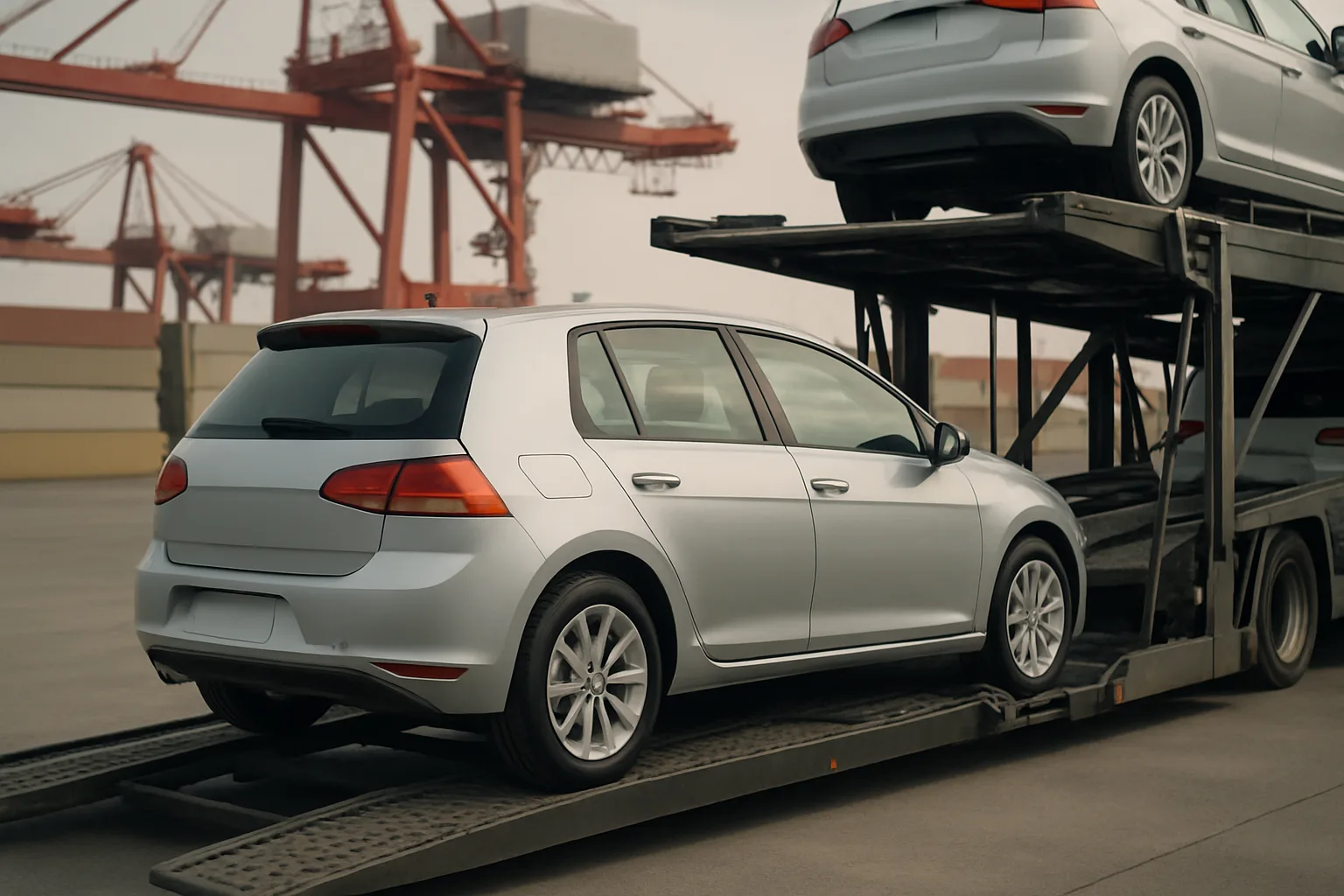
Volkswagen will export 200,000 vehicles built in Europe to China in 2013 and invest €3.4 billion in its Brazilian operations through 2016, as the company adapts to declining demand in its home region. Chief executive Martin Winterkorn set out the strategy at the São Paulo motor show, confirming the company’s intention to divert production away from a weakening European market.
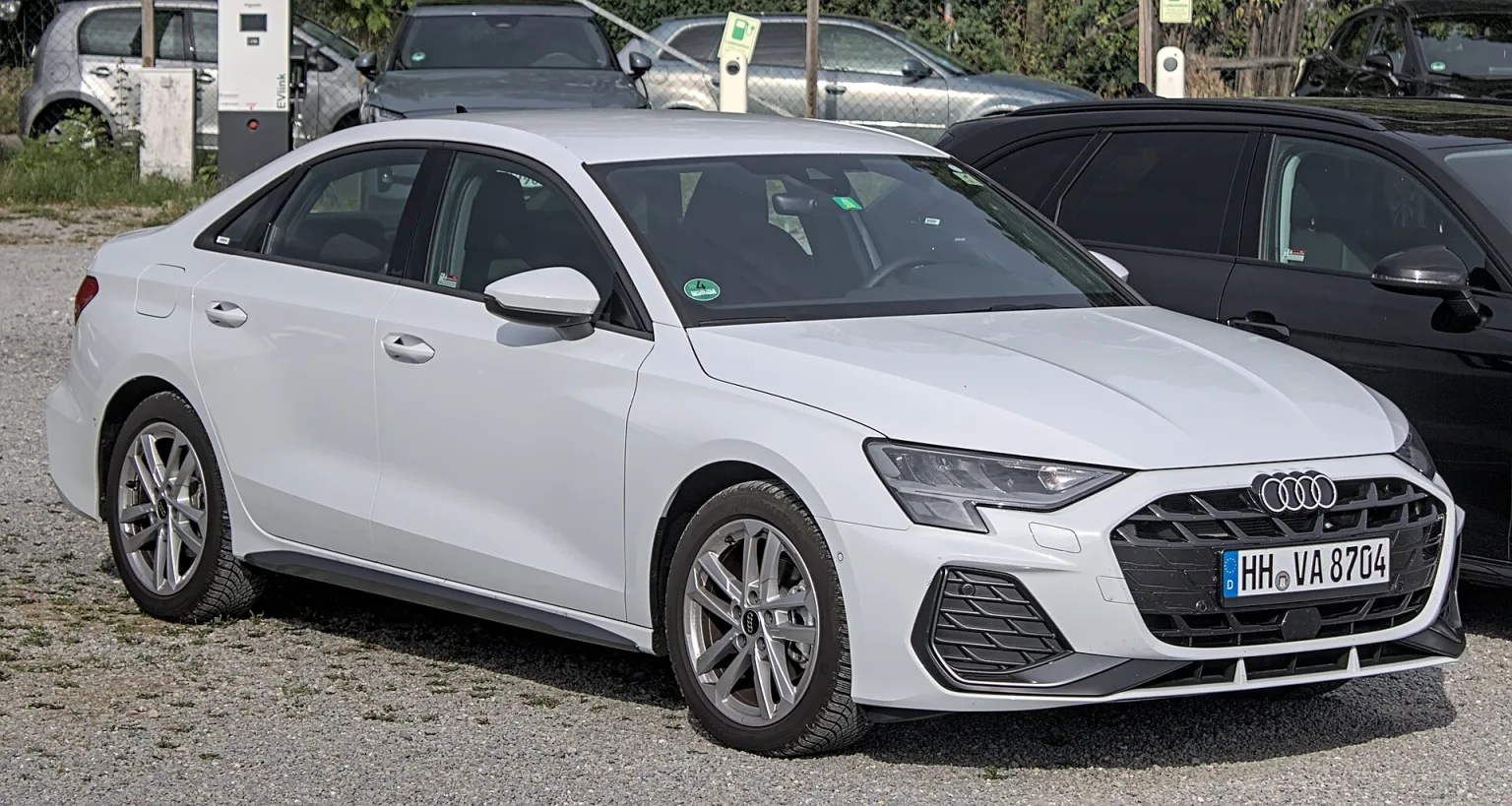
The plan to ship European-built cars, including models from Audi and Škoda, reflects Volkswagen’s effort to avoid excess inventory as sales in Europe decline. The company has already slowed production at European plants to prevent stockpiles of unsold cars. By redirecting output to China, Volkswagen aims to keep factories running and protect profitability. China’s appetite for premium and imported models remains strong, even as its own market growth has slowed in recent months. For context on the Chinese market’s volatility, see China car sales fall for third straight month as economy slows.
Brazilian expansion and local production
Volkswagen’s €3.4 billion investment in Brazil will be spread across model development and factory upgrades. Of this, €126 million will expand daily engine output at the São Carlos plant from 3,800 to 4,800 units. The move increases local content and supports the company’s long-term position in Latin America’s largest market. Volkswagen has operated in Brazil for nearly sixty years and remains one of the country’s leading carmakers.
Brazilian car sales were forecast to grow 8.6 percent to 3.28 million vehicles in 2012, according to IHS Automotive. Volkswagen sees Brazil as a cornerstone of its global strategy, targeting further growth outside Europe as part of its ambition to become the world’s largest carmaker by 2018. The local investment is intended to strengthen the company’s product range and manufacturing base as competition intensifies in South America.
European slowdown prompts global shift
The European car market faced its sharpest annual decline in nearly two decades in 2012, prompting manufacturers to look for alternative markets to absorb excess capacity. Despite the slump, Volkswagen said it would maintain its 2012 financial targets, including matching the previous year’s record operating profit of €11.3 billion. Exporting to China and investing in Brazil are central to the company’s effort to reduce exposure to Europe and secure growth elsewhere.
- 200,000 Europe-built VWs, Audis and Škodas to be shipped to China in 2013
- €3.4 billion to be invested in Brazil by 2016, including engine plant expansion
Volkswagen’s strategy highlights the company’s flexibility in shifting production and investment to markets with stronger demand. The approach is mirrored by other global manufacturers seeking to balance output as regional economies diverge. For more on export trends to China by other brands, see BMW South Africa secures approval for 3 Series exports to China.