Vulcano Orange McLaren P1 Draws Crowds in Beverly Hills
A production-spec McLaren P1 in Vulcano Orange made a rare public appearance on Rodeo Drive, marking its US debut at the 2013 Beverly Hills Father’s Day car show.
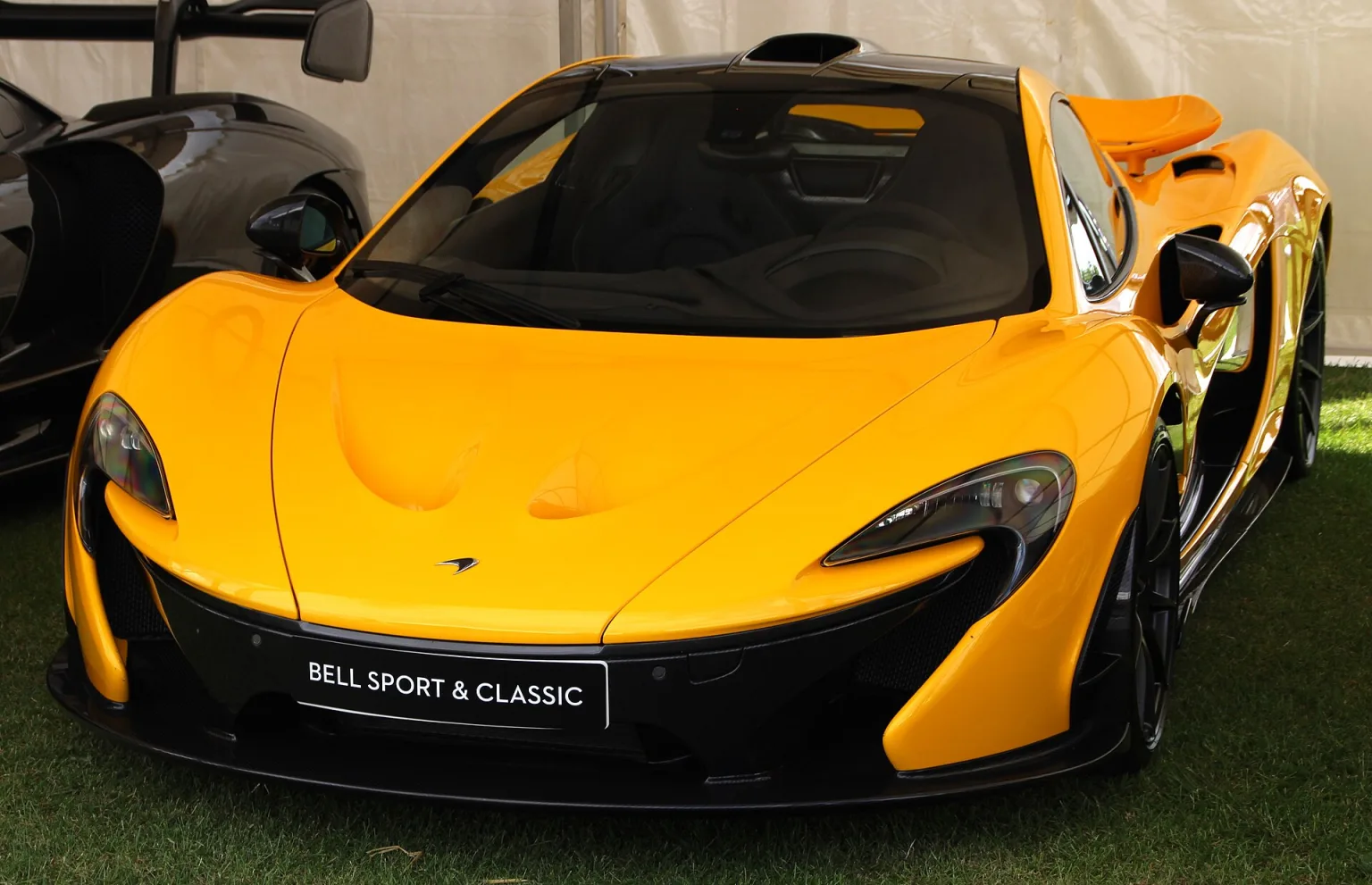
The streets of Beverly Hills witnessed a rare spectacle when McLaren’s P1 hypercar, finished in Vulcano Orange, made its first public appearance in production form at the annual Father’s Day car show on Rodeo Drive. This event marked the US debut of the hybrid supercar, drawing the attention of car enthusiasts and casual onlookers alike. The striking Vulcano Orange finish, a signature colour for McLaren, ensured the P1 stood out even among the array of exotic vehicles on display.
A Landmark Appearance on Rodeo Drive
The Father’s Day car show on Rodeo Drive is known for attracting some of the world’s most exclusive and desirable automobiles. In June 2013, the McLaren P1’s appearance was a highlight of the event. For many visitors, it was a unique opportunity to see the P1 up close before customer deliveries began. Given the car’s limited production run, just 375 units globally, this would be a rare sight for most attendees. The event underscored the P1’s exclusivity and generated significant excitement among collectors and supercar fans.
Development and Powertrain
The McLaren P1 was first revealed to the public at the 2013 Geneva Motor Show, representing the latest in hybrid supercar technology at the time. Its powertrain combines a 3.8-litre twin-turbocharged V8 engine, derived from McLaren’s MP4-12C, with an electric motor producing 179hp (132kW) and 260Nm of torque. The combined output is an impressive 916hp (674kW) and 900Nm (663lb ft) of torque. This allows the P1 to accelerate from 0 to 100km/h in less than three seconds, with an electronically limited top speed of 350km/h (217mph).
| Engine | 3.8-litre twin-turbo V8 + electric motor |
|---|---|
| Total power | 916hp (674kW) |
| Total torque | 900Nm (663lb ft) |
| 0-100km/h | <3 seconds |
| Top speed | 350km/h (217mph), limited |
| Units produced | 375 |
The hybrid system was engineered to deliver both instant torque and lower emissions compared to traditional supercars. The electric motor works in tandem with the petrol engine to provide seamless power delivery, especially at lower speeds. This focus on hybrid technology placed the P1 among a new generation of high-performance vehicles.
Competition in the Hypercar Segment
At the time of its launch, the McLaren P1 was part of a trio of next-generation hybrid hypercars. Its main competitors were the Ferrari LaFerrari and the Porsche 918 Spyder, both of which also utilised hybrid systems to enhance performance. This new breed of supercars demonstrated that electrification could coexist with extreme speed and driving excitement. The P1’s debut in Beverly Hills placed it directly in the spotlight for American buyers who were considering these exclusive models.
Exclusivity and Personalisation
McLaren’s decision to produce only 375 examples of the P1 added to its allure among collectors. The Vulcano Orange car displayed in Beverly Hills showcased McLaren’s bespoke paint options and the level of personalisation available to buyers. Each P1 could be tailored to its owner’s preferences, further enhancing its status as a collector’s item. The car’s appearance on Rodeo Drive also reflected McLaren’s growing presence in the US market, where demand for rare and high-performance vehicles remains strong.
Legacy and Impact
The P1 was more than just a technological showcase; it helped set new benchmarks for performance and efficiency in the hypercar segment. Its use of hybrid technology, combined with aerodynamic expertise drawn from McLaren’s Formula 1 programme, influenced the design of future supercars. The attention it received in Beverly Hills highlighted the appeal of advanced engineering and design in the world’s most competitive luxury car markets.
The McLaren P1’s public debut in Beverly Hills marked a significant moment for the brand in the US, reinforcing its commitment to innovation and exclusivity in the supercar market.