Inside Alfa Romeo's 4C Assembly: From Carbon Tub to Road
Alfa Romeo has released a detailed look at the assembly process for the 4C, highlighting its carbon fibre construction and mid-engined layout ahead of first deliveries in September 2013.
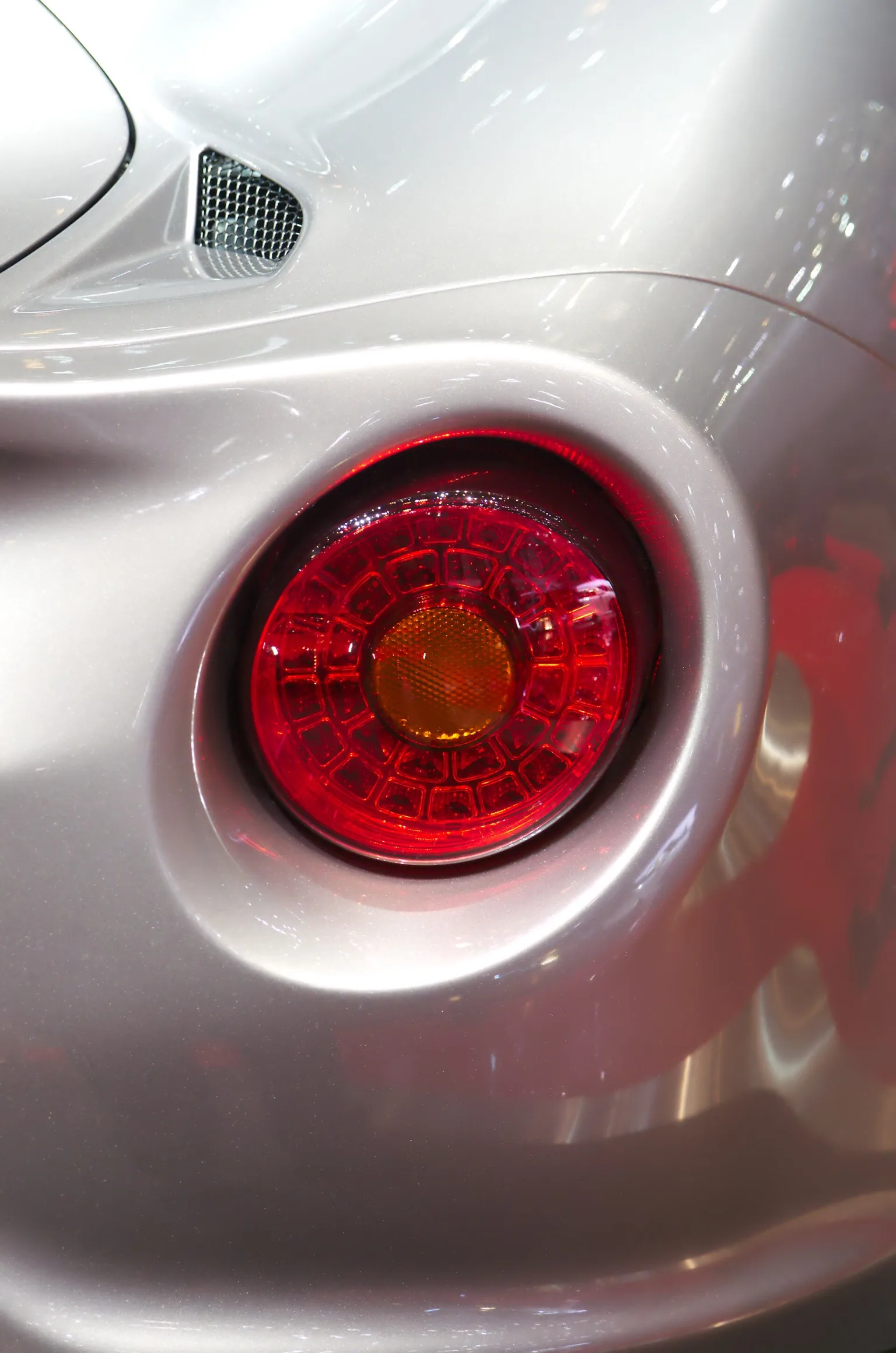
Alfa Romeo has published images and details showing how the 4C sports car is assembled, offering a rare look at the production process for its lightweight, mid-engined coupe. The material was released as the company prepared for the first customer deliveries in September 2013, following the car’s debut at the Geneva Motor Show earlier that year.
The 4C’s assembly begins with its carbon fibre monocoque chassis, a structure weighing just 65kg. This tub is produced using advanced composite techniques, setting the car apart from rivals relying on traditional steel or aluminium. The lightweight chassis underpins the 4C’s focus on low weight and agility, with Alfa Romeo quoting a kerb weight below 900kg.
Once the carbon tub is complete, aluminium subframes are attached at the front and rear to support the suspension and drivetrain. The 1.75-litre four-cylinder turbocharged engine, shared with the Giulietta Quadrifoglio Verde but tuned for the 4C, is then installed behind the cabin. This mid-engined layout is paired with a six-speed dual-clutch TCT gearbox, sending power to the rear wheels. Alfa Romeo claims 237bhp and a 0–100km/h time of 4.5 seconds, with a top speed of 250km/h.
Hand-finished details in Modena
Final assembly takes place at Maserati’s Modena plant, where much of the work is done by hand. Body panels, made from composite materials, are bonded to the chassis, and the interior is fitted with lightweight seats and minimal trim to keep weight down. The process is designed to ensure consistent quality for each example of the limited-production sports car.
Alfa Romeo’s decision to build the 4C in Modena reflects the car’s positioning as a ‘compact supercar’ and its reliance on specialist manufacturing techniques. The emphasis on manual assembly and advanced materials stands in contrast to the mass-production methods used for the brand’s mainstream models.
What the 4C’s assembly means for buyers
Buyers of the 4C can expect a car built with the kind of attention to detail usually reserved for more expensive supercars. The use of carbon fibre and hand-built methods means production numbers are limited, and Alfa Romeo aimed to deliver a driving experience focused on lightness and directness rather than luxury or electronic aids.
- Carbon fibre monocoque for low weight and rigidity
- Mid-mounted 1.75-litre turbocharged engine
- Twin-clutch gearbox with paddle shifters
- Rear-wheel drive layout
- Hand-assembled at Maserati’s Modena plant
First deliveries of the 4C were scheduled for September 2013. The car’s assembly process and technical approach positioned it as a rival to lightweight sports cars from Lotus and Porsche, while reinforcing Alfa Romeo’s sporting credentials. For more on the 4C’s development and debut, seeGeneva Motor Show Live Alfa Romeo 4C.