

Choosing the Right Alternative Fuel: What Fits Your Driving Needs
Selecting an alternative fuel depends on your driving habits, journey lengths and access to refuelling or charging, with each technology offering distinct advantages and drawbacks.
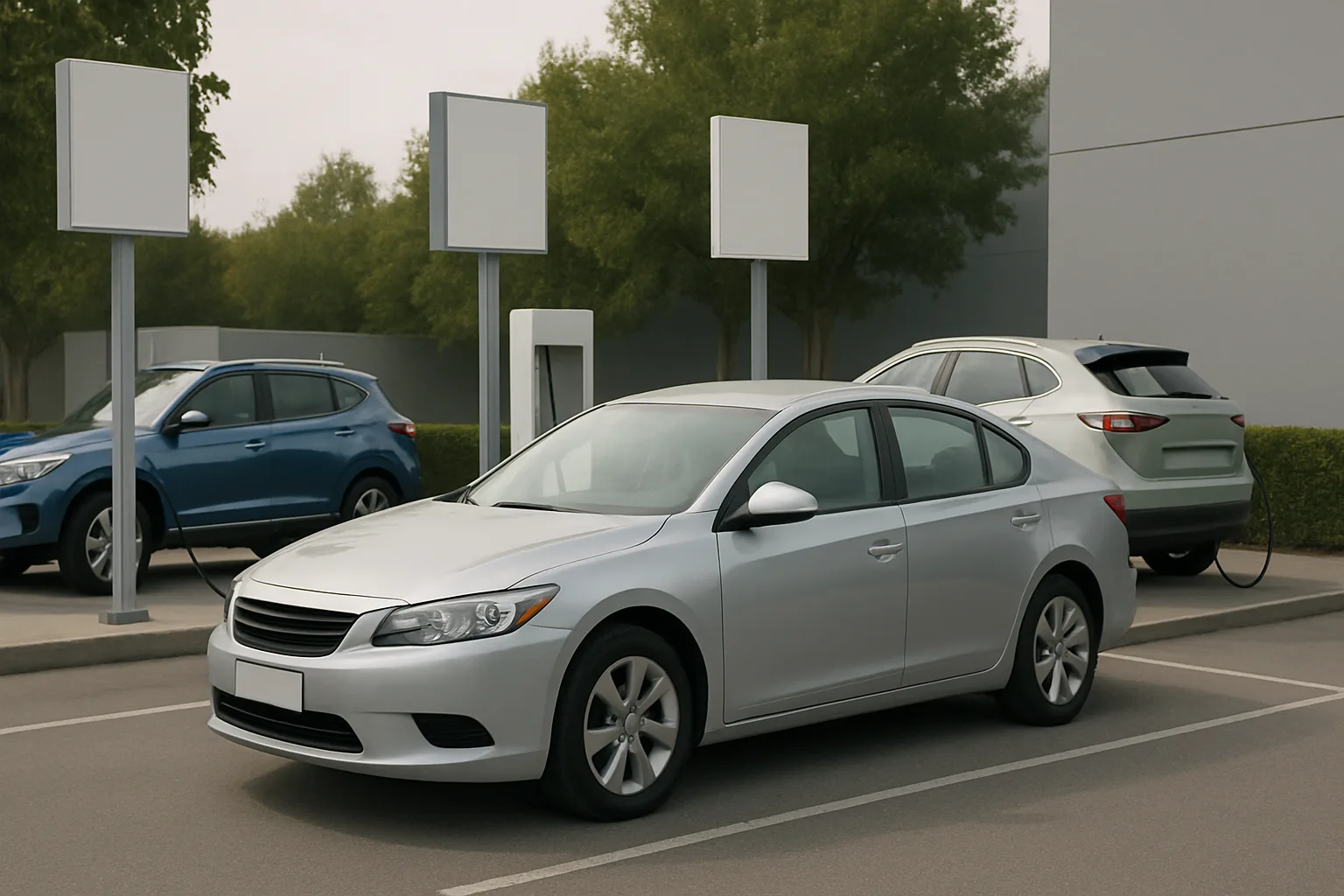
Drivers weighing up alternative fuels face a choice shaped less by fashion and more by their own driving routines. Hybrid, plug-in hybrid, battery electric, diesel, LPG and natural gas all offer different strengths depending on how and where you use your car.
Matching fuel to driving habits
Hybrids, which combine a petrol engine with electric assistance, make the most sense for drivers who spend much of their time in urban traffic. Their regenerative braking and electric-only operation at low speeds can deliver strong fuel economy where conventional engines struggle. For buyers with a daily commute dominated by congestion and short trips, a standard hybrid is often the most straightforward alternative to petrol or diesel.
Plug-in hybrids extend this logic for those with access to charging at home or work. If your regular journey falls within the electric range, often 20 to 30 miles, most trips can be completed without using the combustion engine at all. Occasional longer journeys remain possible, as the petrol engine takes over once the battery is depleted, removing range anxiety. The main caveat is that plug-in hybrids need regular charging to deliver their promised efficiency; used solely as petrol cars, they can be less efficient than standard hybrids due to the extra weight of their batteries.
Diesel remains relevant for long-distance drivers
For those covering high mileages, especially on motorways, diesel continues to offer strong fuel economy and torque. Modern diesel engines are well suited to long, uninterrupted trips, where their efficiency and range outpace most alternatives. However, diesel is less suited to short urban journeys, as exhaust aftertreatment systems can struggle to reach optimal temperatures, potentially leading to reliability issues over time. Stricter emissions standards and urban restrictions also complicate diesel ownership in some areas.
Electric vehicles: predictable routines required
Battery electric vehicles (BEVs) are best for drivers with predictable daily routes, access to overnight charging and no regular need for long, unplanned journeys. Range and charging times remain the main constraints, though improvements continue. For those who can charge at home and rarely exceed the car’s range in a day, a BEV can offer low running costs and zero tailpipe emissions. Public charging infrastructure is expanding, but remains patchy outside major cities and along key routes.
LPG and natural gas: niche but cost-effective
- Hybrid: best for city and mixed driving, no charging required.
- Plug-in hybrid: ideal for short commutes with charging access.
- Diesel: suited to high-mileage, long-distance drivers.
- Electric: works for predictable routes and home charging.
- LPG/CNG: cost-effective where infrastructure exists.
Choosing the best fit
No single alternative fuel suits every driver. The right choice depends on journey type, access to charging or refuelling and local restrictions. Most buyers will find their best fit by matching the technology to their daily routine rather than chasing the latest trend.



