Williams Confirms Strong Budget Position for 2014 F1 Season
Deputy team principal Claire Williams says Williams F1 has secured a healthy budget for 2014, as rivals Sauber and Lotus face financial uncertainty.
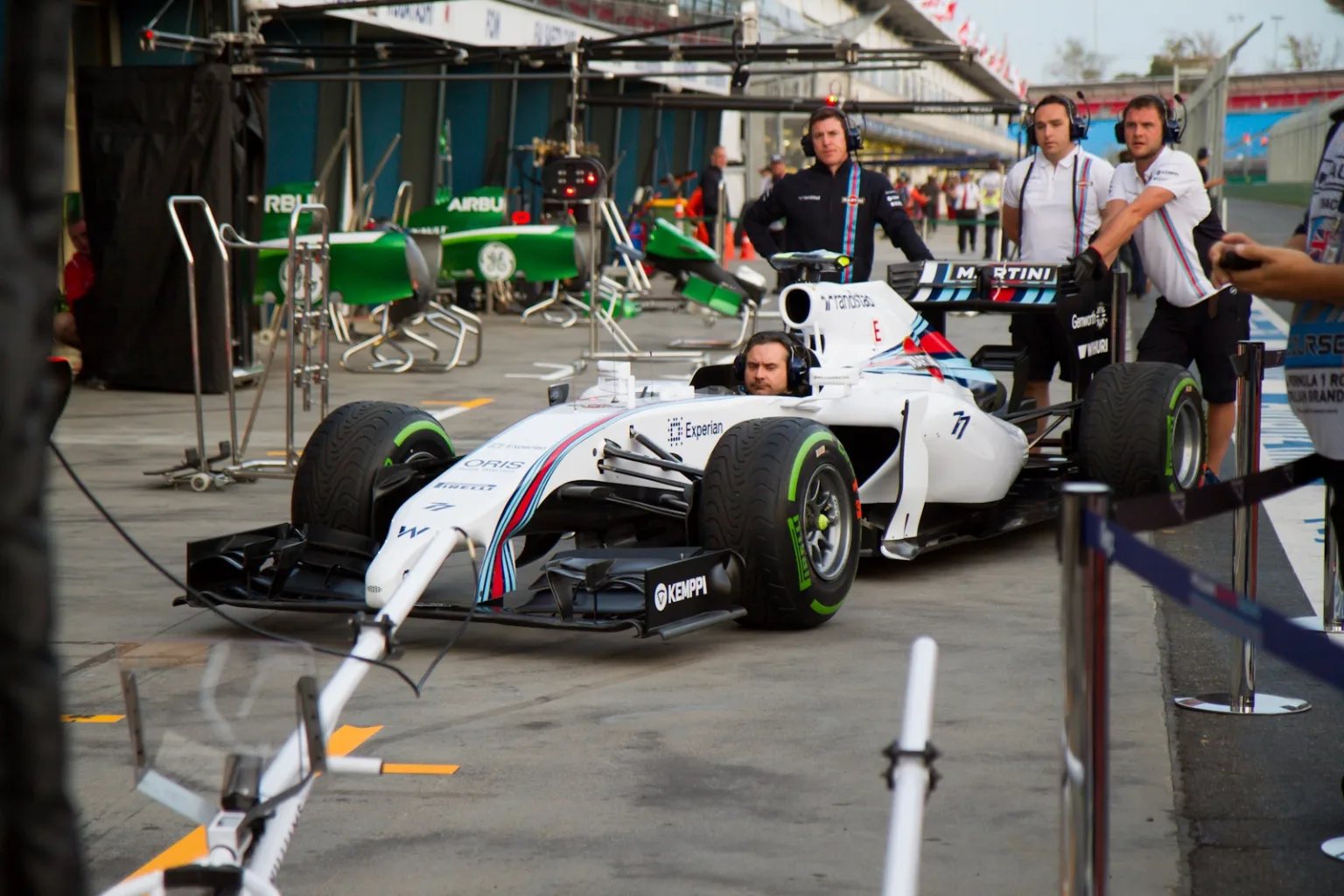
Williams F1 will enter the 2014 Formula One season with what deputy team principal Claire Williams describes as a “healthy budget”, putting the Grove-based outfit in a stronger financial position than several of its rivals. Williams made the comments in August 2013, as concerns mounted over the future of teams such as Sauber and Lotus due to funding problems.
Williams pointed to the team’s listing on the Frankfurt stock exchange as evidence of its financial transparency, stating that their accounts are open for scrutiny. She credited the team’s commercial operations for ensuring a competitive budget for the coming year, despite a difficult climate for independent teams.
The confirmation comes as Sauber and Lotus, both independent teams, have struggled to secure the funding needed to continue in Formula One at a competitive level. Reports in mid-2013 highlighted late payments to suppliers and uncertainty over driver line-ups linked to sponsorship deals at both teams. By contrast, Williams says her team’s financial planning has left it “happy” with its situation for 2014.
Financial stability in a turbulent F1 climate
Formula One’s financial gulf between manufacturer-backed teams and independents has grown since the global financial crisis. Williams’ public statement of stability stands out at a time when several teams were openly seeking new backers or considering drastic cost-cutting measures. The team’s approach has been to embrace spending controls, supporting cost caps and regulations introduced since 2009 to help level the playing field.
Claire Williams emphasised that, as an independent, Williams cannot afford unchecked cost escalation, especially with the wide disparity in team budgets. She reiterated the team’s long-standing support for spending controls in Formula One, arguing that they are essential for the sport’s competitiveness and survival. While Williams is confident in its own financial footing, the team continues to advocate for measures that would allow smaller outfits to compete more equally with the likes of Ferrari, Red Bull and Mercedes.
Contrast with rivals and the push for cost controls
As the 2014 season approached, Williams’ financial stability provided a rare positive note among the midfield teams, many of whom were struggling to finalise driver line-ups and technical programmes due to financial uncertainty. The team’s position also strengthened its ability to focus on technical development, including adapting to the new engine regulations set for 2014.
The situation underlined the ongoing debate within Formula One over cost control, with Williams continuing to push for reforms that would ensure the survival of independent teams and a more competitive grid.