Hyundai Motor Cuts South Korean Output as Sales Slide
Hyundai has reduced production at its Asan plant by 25 percent after reporting a second consecutive monthly drop in deliveries, citing weak demand and currency pressures.
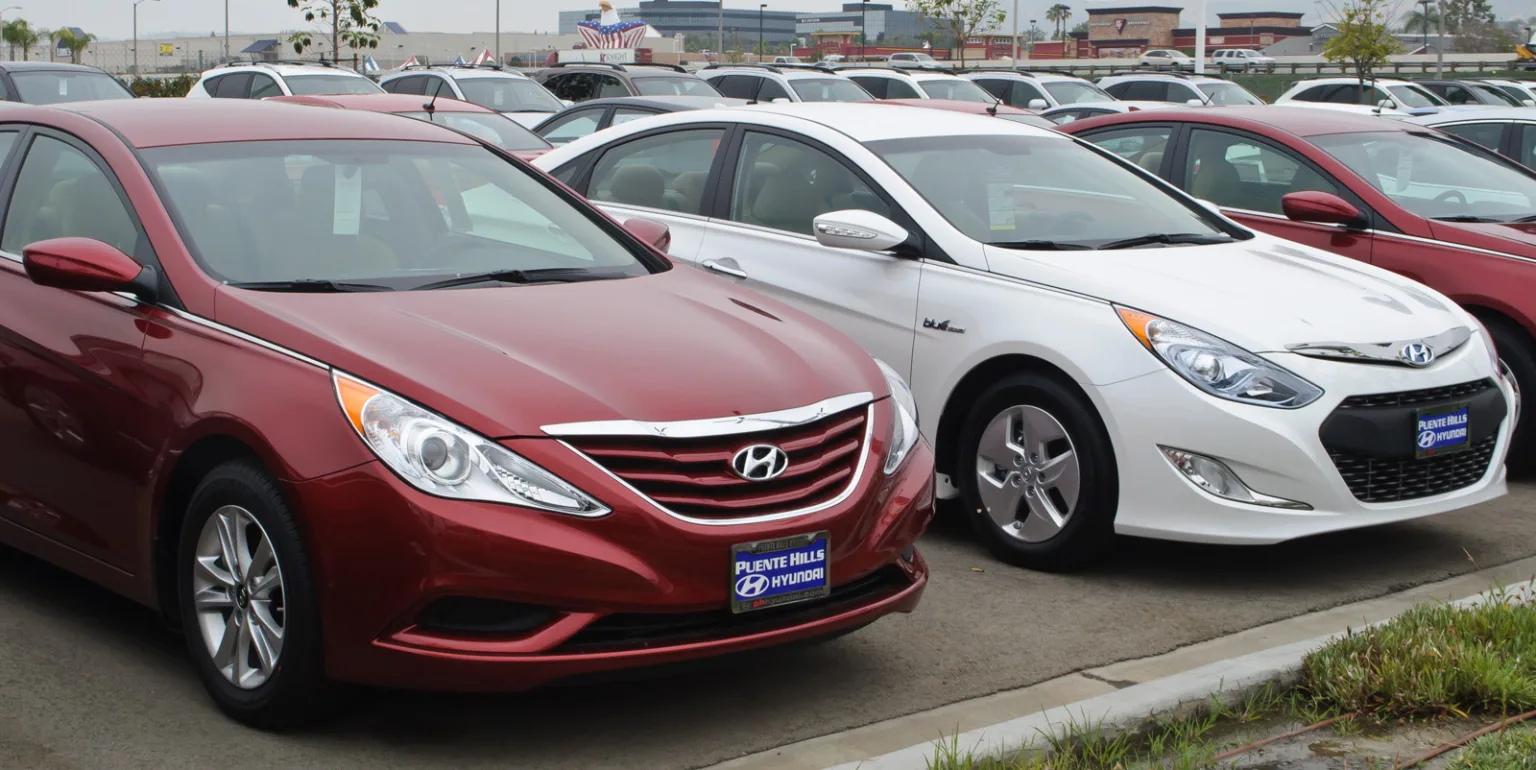
Hyundai Motor has lowered production at its Asan plant in South Korea by 25 percent on 28 and 29 May, responding to a continued drop in sales. The company confirmed the move as part of a broader effort to align output with market demand after reporting falling deliveries for the second consecutive month.
The production cut follows a difficult period for Hyundai and its affiliate Kia Motors. Both companies have faced declining sales, with Japanese rivals gaining ground thanks to currency movements that have made Korean exports less competitive. The won’s strength against the yen has been a particular challenge, eroding Hyundai’s pricing edge in overseas markets.
Hyundai said the Asan plant reduction was a temporary measure to adjust output to current demand levels. Kia has also reduced working hours at its business unit in China, although details of the scale were not specified. Both manufacturers have announced plans to cut spending after reporting a drop in first-quarter profits.
Currency headwinds and market trends
Japanese carmakers have benefited from a weaker yen, allowing them to price more aggressively in global markets. Hyundai and Kia, meanwhile, continue to rely heavily on sedan models at a time when global demand is shifting towards SUVs and crossovers. The companies have acknowledged the need to adapt their product mix to better match these trends.
The pressure on Hyundai has been compounded by investor scepticism, partly following last year’s decision to acquire a high-value property in Seoul for a new headquarters. As of the close on 29 May, Hyundai shares were down 1.5 percent at 136,000 won, while Kia’s share price held steady. The Kospi index as a whole slipped 0.2 percent.
Broader implications for South Korean manufacturing
Hyundai’s move to lower production reflects wider challenges for South Korean carmakers, who face rising competition from Japanese brands and changing global preferences. The company has indicated it will continue to adjust production and spending in line with market conditions, but has not announced further cuts at other domestic plants.
Kia’s reduction in working hours in China suggests the pressure extends beyond the domestic market, though specifics remain unclear. Both Hyundai and Kia are expected to monitor market trends closely and respond with further adjustments if needed.