Chevrolet Explains 2012 Camaro ZL1's TapShift Automatic
Chevrolet's 2012 Camaro ZL1 features a six-speed automatic with TapShift, using software to reduce upshift delays by up to 300 milliseconds over previous systems.
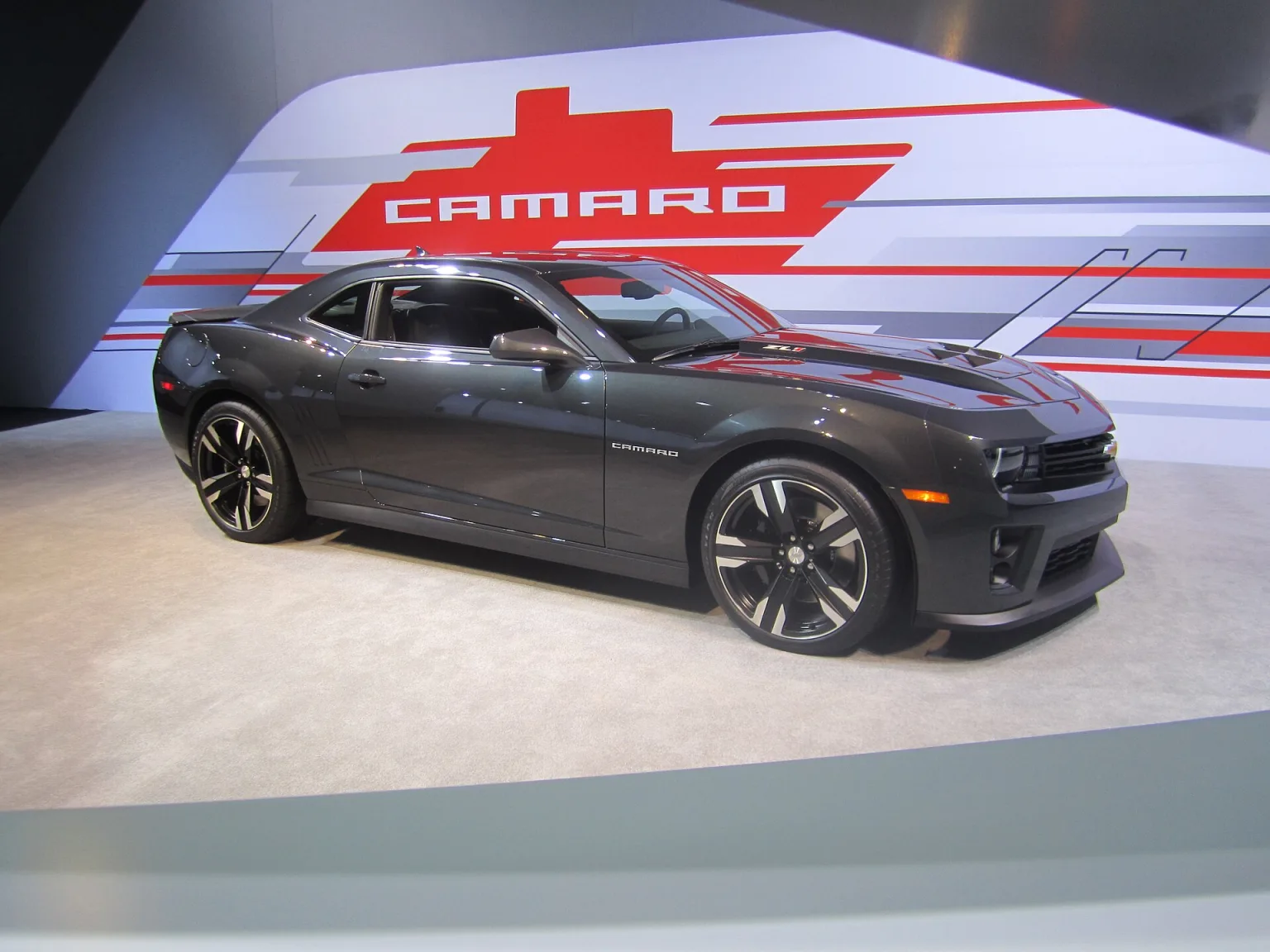
Chevrolet’s 2012 Camaro ZL1 arrived with a six-speed automatic transmission that introduced a new version of the company’s TapShift technology. The system, aimed at enthusiasts who want both convenience and control, uses revised software to cut upshift delays by up to 300 milliseconds compared to earlier automatics.
The ZL1’s TapShift system is more than a set of steering wheel paddles. Chevrolet’s engineers developed new control algorithms for the automatic’s electronic brain. By monitoring the current gear, throttle position, engine torque and vehicle speed, the system can anticipate when the driver is likely to request an upshift. It then pre-fills the clutch for the next gear, staging hydraulic pressure so the shift occurs almost immediately when the driver taps the paddle.
This approach trims the tap-to-shift delay for 1-2, 2-3, 3-4 and 4-5 upshifts by between 200 and 300 milliseconds, according to Chevrolet. Downshifts are not affected to the same degree, as the system’s anticipatory logic is most effective when moving up the range. The result is a more responsive transmission that, in Chevrolet’s own testing, allows the automatic ZL1 to hit 0-60mph in 3.9 seconds, a tenth quicker than the manual version.
How TapShift works in the ZL1
Traditional automatics with paddle shifters often frustrate keen drivers because of a perceptible lag between paddle input and gear engagement. The ZL1’s system addresses this by preparing the next gear hydraulically before the driver even requests it, based on driving conditions and predicted intent. When the paddle is pulled, the clutch for the next gear is already pressurised, so the shift completes with minimal delay.
The system is paired with the ZL1’s supercharged 6.2-litre V8, producing 580 horsepower and 556lb ft of torque. With this powertrain, the ZL1 was the most powerful production Camaro at launch. The automatic’s improved shift response helps drivers extract more from the engine, especially during hard acceleration.
Automatic vs manual: performance and appeal
Chevrolet’s claim that the automatic ZL1 is quicker to 60mph than the manual highlights the performance potential of modern automatics. While some purists still prefer the engagement of a manual gearbox, the TapShift-equipped automatic offers both rapid acceleration and manual-style control for track days or spirited road driving.
The ZL1 Coupe went on sale in spring 2012 as a 2012 model, with the Convertible following in summer 2012 as a 2013 model. Chevrolet indicated that around half of ZL1 customers were expected to opt for the automatic, reflecting a shift in buyer expectations for high-performance muscle cars.
TapShift in the context of rivals
Chevrolet’s focus on software and hydraulic staging for the ZL1’s automatic transmission mirrors a broader industry trend towards faster, more responsive automatics in high-performance cars. Similar developments appeared in rivals such as the BMW M5’s dual-clutch system and Ford’s use of paddle-shifted automatics in the Mustang. For more on how other manufacturers approached the challenge, see BMW’s 2012 M5 F10: Twin-Turbo V8 and Seven-Speed DCT Detailed.