2016 Toyota Prius debuts at Frankfurt with new platform and design
Toyota’s fourth-generation Prius made its European debut at the 2015 Frankfurt Motor Show, introducing a new platform, updated styling and promises of improved fuel efficiency.
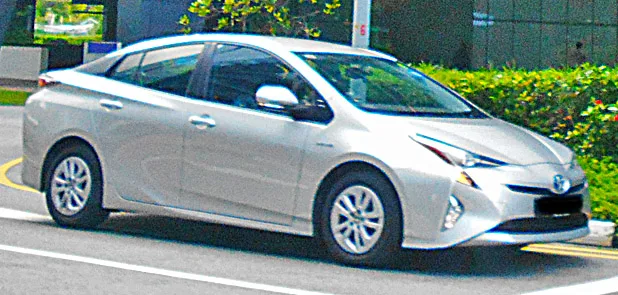
Toyota unveiled the fourth-generation Prius at the 2015 Frankfurt Motor Show, marking the European debut of its latest hybrid. The new model, set to reach dealerships in Japan by the end of 2015 and Europe soon after, introduces a redesigned exterior, a new platform and a series of technical upgrades aimed at improving efficiency and handling.
The 2016 Prius is the first production Toyota to use the company’s new Toyota New Global Architecture (TNGA). This modular platform will underpin a broad range of future Toyota and Lexus vehicles. According to Toyota, the TNGA brings a 60 percent increase in chassis rigidity compared to the outgoing Prius, while lowering the centre of gravity. The result, the company claims, is improved ride comfort and more confident handling, addressing one of the previous model’s main criticisms.
Visually, the new Prius adopts a sharper, more angular design with clear influences from Toyota’s Mirai hydrogen fuel cell car. The wedge-shaped silhouette remains, but the front and rear now feature more pronounced creases and slim LED lights. The car is 60mm longer, 15mm wider and 20mm lower than its predecessor, which has allowed Toyota to increase both cabin and boot space. The interior retains the Prius’s distinctive centre-mounted instrument cluster and now features a larger infotainment display and a redesigned three-spoke steering wheel.
Hybrid system and efficiency gains
Toyota has revised the hybrid powertrain, although full technical details were not disclosed at Frankfurt. The company claims a 10 percent improvement in fuel economy over the outgoing model and says the petrol engine’s thermal efficiency has been raised to at least 40 percent, up from 38.5 percent. The hybrid system’s key components are now smaller and more compact. The nickel-metal hydride battery remains, but Toyota says it is more durable, charges faster and takes up less space thanks to improved packaging.
The new Prius also features a completely redesigned suspension, with MacPherson struts at the front and a double wishbone setup at the rear. Toyota says this should improve both ride quality and handling precision. Safety technology has been upgraded, with systems such as pre-collision warning and, for Europe, a road sign assist system.
Market rollout and options
Toyota plans to launch the new Prius in Japan first, followed by North America and Europe. Buyers will have a choice of seven exterior colours, including a new Hypersonic Red. The updated dimensions and battery packaging are expected to make the car more practical for families and fleet buyers. Full performance and economy figures will be released closer to the car’s market launch.
For more on the 2015 Frankfurt Motor Show’s major launches, see 2015 Frankfurt Motor Show: Supercars, SUVs and Electric Concepts Lead the Line-up.