Volkswagen Passat named 2015 European Car of the Year at Geneva
The Volkswagen Passat took the top honour at the 2015 Geneva Motor Show, outscoring the Citroën C4 Cactus and Mercedes-Benz C-Class in the prestigious Car of the Year award.
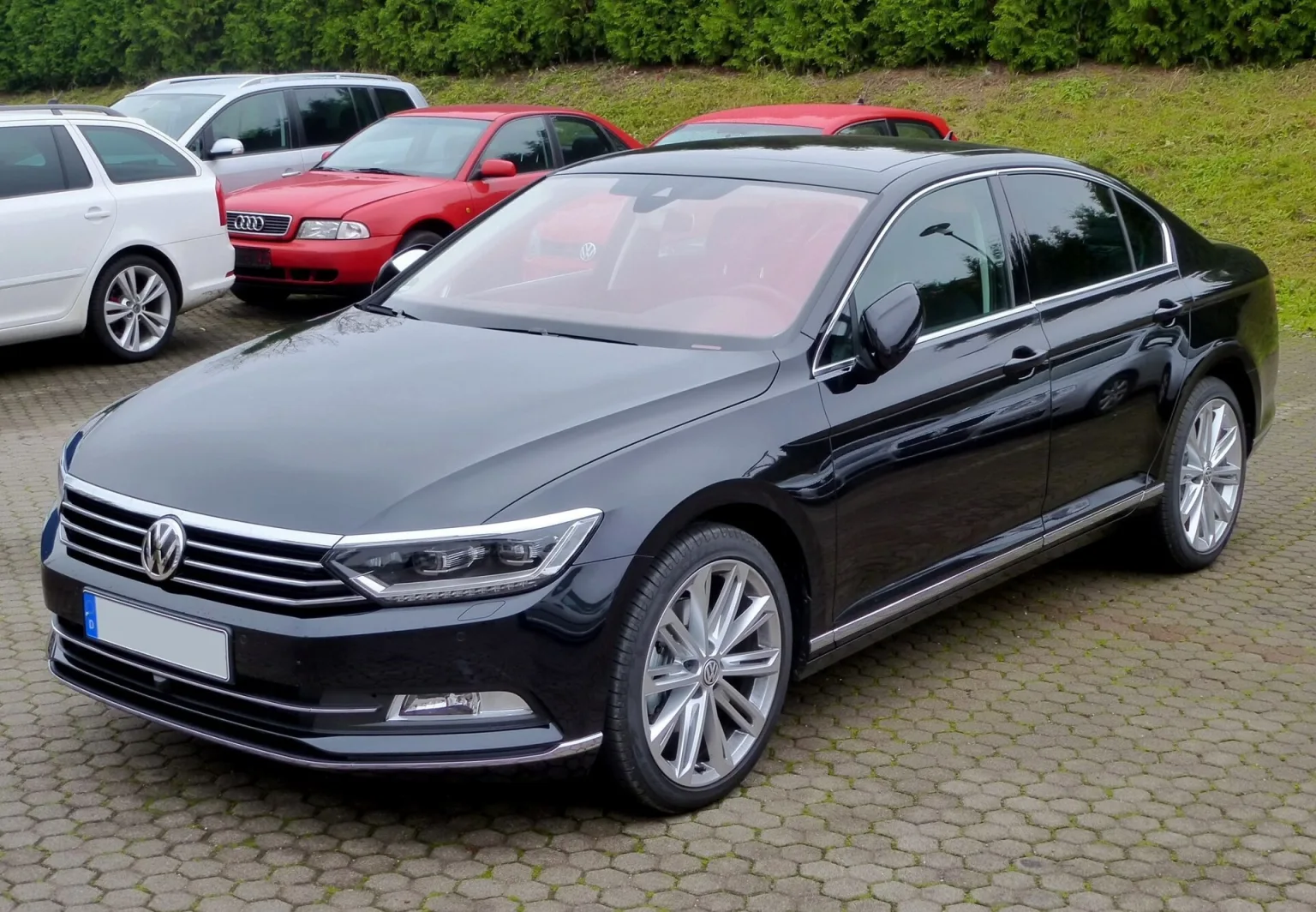
Volkswagen’s Passat has been awarded the 2015 European Car of the Year, with the announcement made on the eve of the Geneva Motor Show’s opening. The new-generation Passat saloon finished well ahead of its six rivals on the shortlist, collecting 340 points from the international jury.
Volkswagen Passat Named 2015 European Car of the Year
The award was presented in front of an audience of industry figures and media, continuing the tradition of opening the Geneva show with the Car of the Year announcement. The Passat’s victory follows a full model overhaul, with Volkswagen’s mid-sized saloon now built on the MQB platform. This new generation has been noted for its balance of quality, practicality and technology, helping it stand out in a highly competitive field.
2015 Car of the Year Finalists and Results
The shortlist for 2015 included a mix of family cars, hatchbacks and smaller models, reflecting the breadth of the European market. The seven finalists were:
- Volkswagen Passat
- Citroën C4 Cactus
- Mercedes-Benz C-Class
- Ford Mondeo
- Nissan Qashqai
- BMW 2 Series Active Tourer
- Renault Twingo
| Model | Points |
|---|---|
| Volkswagen Passat | 340 |
| Citroën C4 Cactus | 248 |
| Mercedes-Benz C-Class | 221 |
| Ford Mondeo | 203 |
| Nissan Qashqai | 160 |
| BMW 2 Series Active Tourer | 154 |
| Renault Twingo | 124 |
The Citroën C4 Cactus was runner-up with 248 points, while the Mercedes-Benz C-Class took third place on 221. The Ford Mondeo finished fourth, followed by the Nissan Qashqai, BMW 2 Series Active Tourer and Renault Twingo.
Jury and Selection Process
The Car of the Year jury is made up of 58 motoring journalists representing 22 European countries. The number of jurors from each country is weighted according to the size of its car market, with Germany, the UK, France, Italy and Spain each providing six members. The remaining countries are represented in proportion to their automotive market size. The jury is drawn from leading motoring publications across Europe, ensuring a broad perspective on the finalists.
The award is regarded as one of the most influential in the European automotive industry. Winning the title often brings increased attention and sales to the model, as well as recognition for the manufacturer. The Passat’s win gives Volkswagen its third European Car of the Year title, following previous victories for the Golf and Polo. The Passat succeeds the Peugeot 308, which took the title in 2014.
Background: Volkswagen Passat and Its Recognition
The Volkswagen Passat has been a staple of the European car market for over four decades, first introduced in 1973. The 2015 model represents a significant update, using Volkswagen’s MQB platform, which is shared with other models in the group. This generation of Passat has been praised for its improved efficiency, advanced technology features, and refined driving experience. Its combination of practicality and comfort has helped it remain popular among both private buyers and fleet operators.
The Car of the Year award is a significant accolade in the automotive world, reflecting the opinions of experienced journalists from across the continent. The Passat’s recognition at the Geneva Motor Show highlights its strong position in the market and the continued evolution of Volkswagen’s design and engineering.
Impact of the Award
Winning the European Car of the Year award can have a noticeable impact on a model’s profile and sales. For Volkswagen, the Passat’s recognition is likely to reinforce its reputation for building well-rounded, high-quality vehicles. The award also brings attention to the advancements made in the latest generation, from its platform to its technology and efficiency. As the automotive market continues to evolve, accolades such as this can play a role in shaping consumer perceptions and influencing purchasing decisions.