Aston Martin Ends Cygnet Production After Two Years
Aston Martin has halted production of the Cygnet city car, ending its brief run as the brand’s smallest and most controversial model.
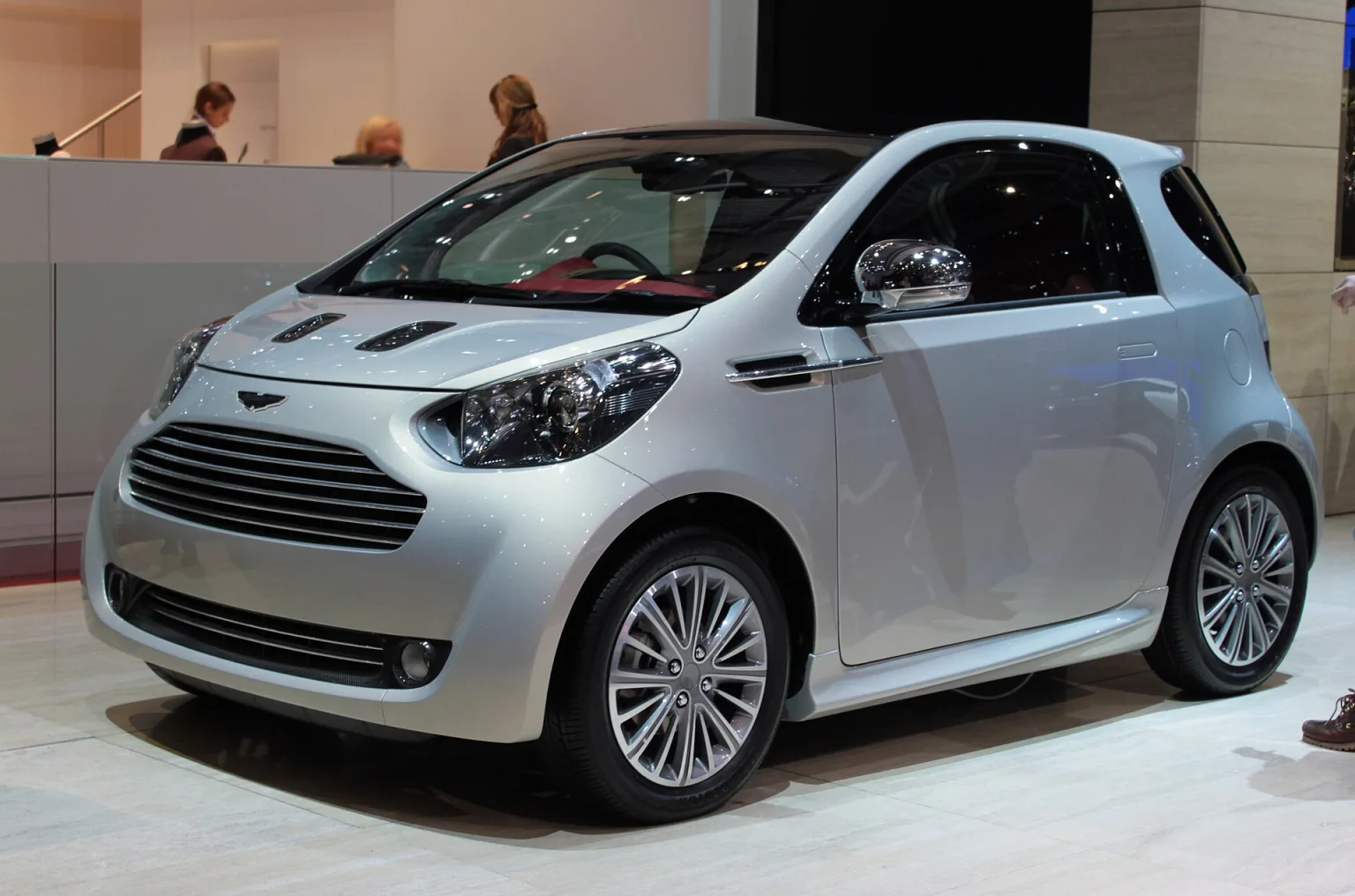
Aston Martin has stopped building the Cygnet, the compact city car based on the Toyota iQ, after less than three years in production. The Cygnet, assembled at the company’s Gaydon facility since 2011, was intended to help the British marque meet European fleet emissions regulations. Cygnet production ended in 2013 after a short run, with the model leaving the production line for good. At the time, the company did not issue an official announcement regarding the end of production, but reports surfaced in late September 2013 confirming that the Cygnet was no longer being built.
Aston Martin Cygnet Leaves the Production Line
Background and Rationale for the Cygnet
Launched in 2011, the Cygnet was Aston Martin’s response to increasingly strict European Union emissions regulations. The model was essentially a rebadged and restyled Toyota iQ, allowing Aston Martin to offer a car with much lower CO2 emissions than its traditional sports cars. The Cygnet was powered by a 1.3-litre four-cylinder petrol engine producing 97hp, with a choice of six-speed manual or continuously variable (CVT) automatic transmissions. Official figures put fuel consumption at 3.99 litres per 100km and CO2 emissions at 110g/km, which helped reduce the company’s fleet average emissions.
The Cygnet was produced at Aston Martin’s Gaydon plant in Warwickshire, UK. Its main purpose was to help the brand comply with EU-imposed fleet average emissions targets, which were challenging for a manufacturer known primarily for high-performance vehicles. By introducing a much smaller and more efficient model, Aston Martin aimed to balance out the emissions of its larger, more powerful cars.
Market Reception and Controversy
Despite its emissions advantage, the Cygnet struggled to find buyers willing to pay a premium for a city car so closely related to the Toyota iQ. The car’s price was considerably higher than the donor Toyota, and it never achieved significant sales volumes. The model’s reception was mixed, with some critics and enthusiasts questioning its fit within Aston Martin’s line-up. Many saw the Cygnet as a controversial move for the luxury sports car manufacturer, given its departure from the brand’s traditional focus on performance and exclusivity.
The Cygnet’s position as an Aston Martin was often debated, with some viewing it as a necessary measure to address regulatory requirements, while others saw it as diluting the brand’s identity. Its close resemblance to the Toyota iQ, both mechanically and visually, was a sticking point for potential buyers and brand loyalists alike.
Production Period and Discontinuation
The Cygnet was produced from 2011 until 2013. Although production has now ended, unsold Cygnets remained available at dealerships in late 2013. The company did not announce any replacement for the model at the time, and the reason for the Cygnet’s early demise was not publicly confirmed. However, slow sales and the car’s controversial positioning within the Aston Martin range were widely cited as likely factors. The decision to halt production was not accompanied by an official statement from Aston Martin, but industry reports confirmed that the model had left the production line.
The withdrawal of the Cygnet followed a similar move by Aston Martin to adjust production of other models in response to market demand, such as the Rapide. After the Cygnet’s exit, Aston Martin’s focus returned to its core range of sports cars and grand tourers.
Impact and Future Prospects
The Cygnet’s discontinuation marked the end of Aston Martin’s experiment with city cars. The model’s short lifespan highlighted the difficulties luxury brands can face when venturing into segments outside their traditional expertise. While the Cygnet did assist with emissions targets during its production run, its commercial impact was limited.
Following the end of the Cygnet, Aston Martin continued to explore other ways to address emissions requirements. The company began investigating electric and hybrid models in subsequent years, reflecting broader trends in the automotive industry. The experience with the Cygnet likely influenced Aston Martin’s future approach to compliance with environmental regulations, focusing on technologies that could be more closely aligned with the brand’s identity.
For more on Aston Martin’s evolving strategy, see coverage of the company’s adjustments to its model line-up and ongoing efforts to meet regulatory demands.
| Production years | 2011–2013 |
|---|---|
| Assembly location | Gaydon, Warwickshire, UK |
| Engine | 1.3-litre four-cylinder petrol |
| Power output | 97hp (72kW) |
| Transmission | 6-speed manual or CVT automatic |
| Official fuel consumption | 3.99 litres/100km |
| CO2 emissions | 110g/km |
| Basis | Toyota iQ |