Audi and Global Bioenergies develop e-gasoline in renewable fuels push
Audi is working with French biotech firm Global Bioenergies to advance e-gasoline, expanding its e-fuels strategy beyond e-gas and e-diesel.
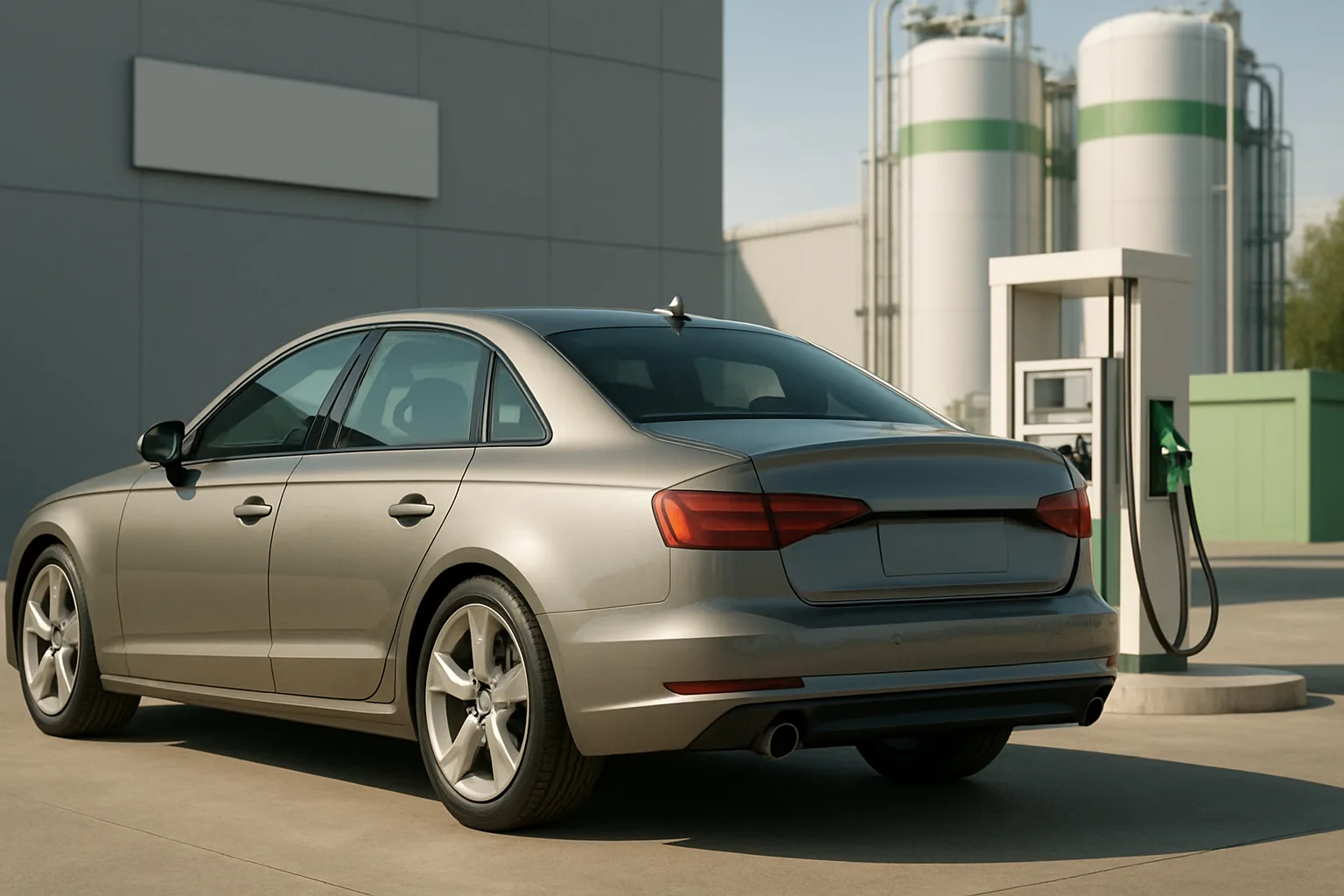
Audi has announced a partnership with French biotechnology company Global Bioenergies to accelerate the development of e-gasoline, a renewable drop-in fuel. The collaboration is part of Audi’s broader e-fuels programme, which also includes e-gas and e-diesel, as the brand seeks alternatives to fossil fuels and lower-carbon mobility solutions.
E-gasoline, as developed by Global Bioenergies, is designed to be compatible with existing petrol engines and infrastructure. Unlike conventional biofuels, the process does not compete with food production or require arable farmland, addressing one of the main criticisms levelled at first-generation biofuels. Audi’s stated aim is to support technologies that can deliver carbon-neutral mobility without displacing food crops.
The partnership builds on Audi’s previous work with alternative fuels. The company’s e-gas plant in Werlte, Germany, has already begun feeding synthetic methane into the gas grid. This methane is produced using surplus renewable electricity and is intended for use in Audi’s gas-powered models. In the United States, Audi collaborates with Joule at a New Mexico research facility focused on e-ethanol and e-diesel production, using microorganisms to convert carbon dioxide and sunlight into liquid fuels.
Audi’s e-fuels strategy and emissions targets
Audi’s e-fuels programme is positioned as a bridge technology, allowing current vehicles to run on cleaner fuels without the need for new infrastructure. E-gasoline, e-gas and e-diesel are all part of this approach. The company claims that its synthetic fuels can be produced using renewable energy and captured carbon dioxide, with the potential to reduce lifecycle greenhouse gas emissions compared to conventional fuels.
At the time of the partnership announcement, Audi’s model range included 146 engine and transmission variants emitting under 140g CO2/km, with 62 versions below 120g and 11 under 100g. These figures reflect Audi’s incremental progress in lowering fleet emissions, though the company continues to rely on combustion engines for the bulk of its sales.
Implications for alternative fuels and future mobility
Audi’s work with Global Bioenergies signals ongoing manufacturer interest in renewable fuels as part of a wider response to regulatory and consumer pressure on emissions. While the market for e-fuels remains small compared to conventional petrol and diesel, projects such as these are intended to keep options open for existing vehicles and infrastructure as electrification accelerates.
The company’s e-fuels research sits alongside its electric vehicle development, reflecting a dual-track approach to reducing emissions. Audi’s investment in synthetic fuels may also be watched by other manufacturers and policymakers looking for transitional solutions that can be implemented before full electrification becomes practical for all segments and markets.