Autonomous Cars Set to Reshape the Global Motor Industry
Major manufacturers and technology firms are accelerating autonomous vehicle development, with wide-ranging effects forecast for transport, insurance and mobility by the 2020s.
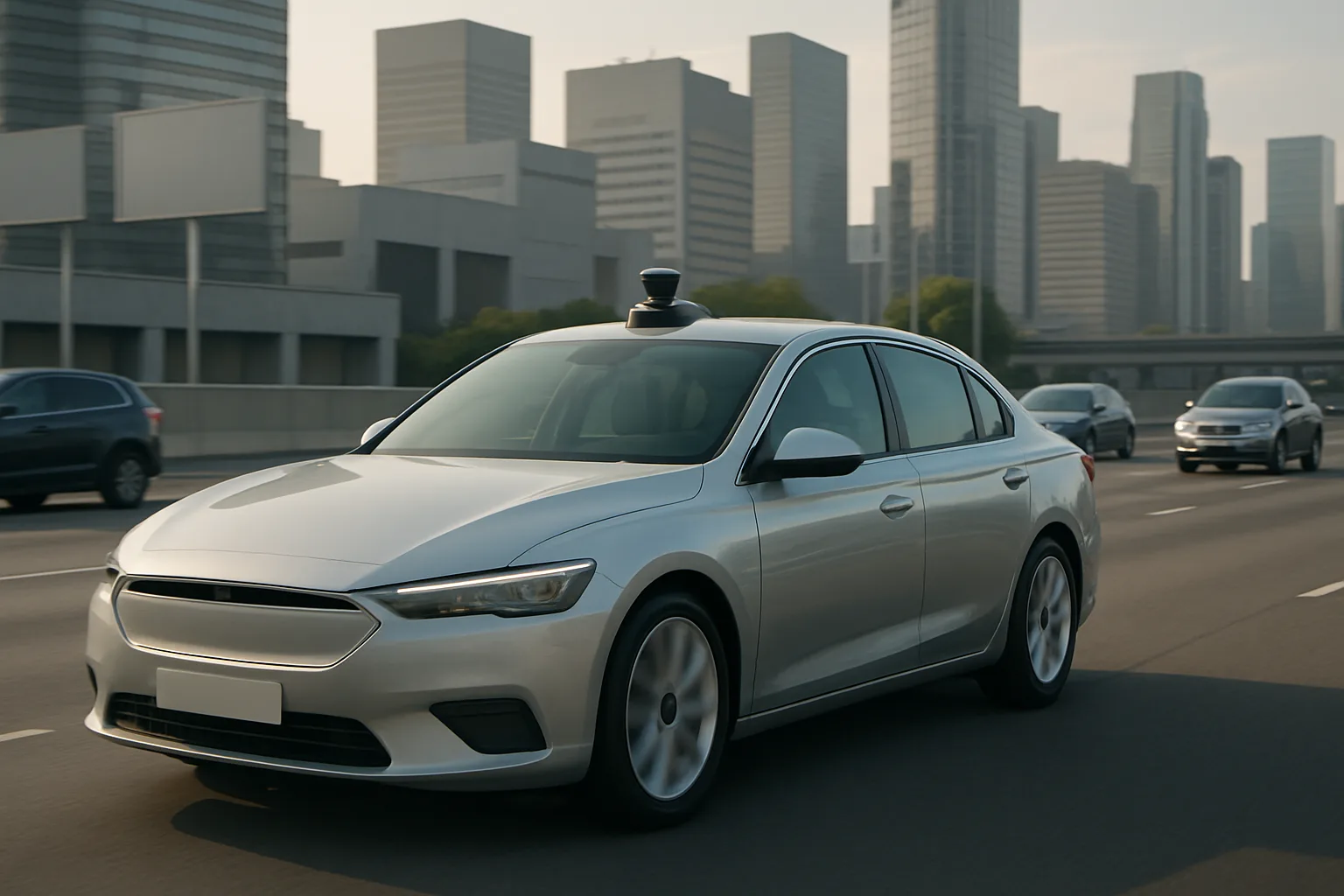
Carmakers and technology companies are racing to develop autonomous vehicles, with analysts predicting that self-driving cars could be a common sight on roads by 2025. The shift is expected to have far-reaching effects for manufacturers, suppliers, insurers and anyone who relies on personal or public transport.
Manufacturers and technology firms push ahead
German brands including Mercedes-Benz, BMW, Audi and Volkswagen are all developing autonomous systems, while Toyota’s Lexus and Ford are closing the gap. Google has positioned itself as a technology provider rather than a carmaker, but its work on self-driving systems has pushed the sector forward. Suppliers such as Delphi, Continental, Autoliv and TRW are investing heavily in the technology, and companies from outside the traditional automotive sector, including IBM and Cisco, are also involved.
- Mercedes-Benz, BMW, Audi and Volkswagen are leading European manufacturers in autonomous development.
- Toyota (Lexus) and Ford are advancing their own systems.
- Google, IBM and Cisco are active as technology suppliers.
- Major automotive suppliers Delphi, Continental, Autoliv and TRW are investing in autonomous tech.
Consultants at Frost & Sullivan identified Mercedes as a leader, with BMW, Volkswagen and Toyota’s Lexus close behind. Morgan Stanley analysts have also named Nissan among the frontrunners. The involvement of major suppliers and technology companies points to a broad shift in the sector’s value chain, with software and data handling becoming as important as traditional engineering.
Implications for insurance, transport and mobility
Self-driving cars are expected to reduce accidents, which could sharply cut insurance costs. Some analysts predict accident rates could fall close to zero once the technology matures. This shift is already forcing the insurance sector to plan for new risk models, with some companies preparing for a future where liability may shift from driver to manufacturer or software provider. For more detail on this, see Autonomous Vehicles Set to Upend Motor Insurance by 2035.
Public transport, taxi firms and even short-haul airlines could see business eroded if people opt for door-to-door journeys in autonomous vehicles. The convenience of overnight travel in a self-driving car could also reduce demand for some hotel stays. Meanwhile, older people and those unable to drive could regain mobility, while younger drivers might avoid high insurance premiums.
Shifting value chains and new business models
The move towards autonomy is attracting investment from outside the traditional car industry. Telecoms, software, media and semiconductor companies are all seeking a stake in the sector. The prospect of vehicles being used more intensively, rather than sitting idle for most of the day, could also accelerate new car-sharing and on-demand mobility services. As a result, manufacturers may need to rethink production volumes and aftersales strategies.
The future for some sectors looks challenging. Taxi operators, public transport providers and businesses dependent on conventional driving may lose ground to new mobility models. At the same time, companies developing in-car software and entertainment are likely to see new opportunities as drivers become passengers with time to fill. For a look at how consumer demand is shaping these developments, see Millennials Lead Demand for Autonomous Car Features, Survey Finds.
Regulation and safety challenges ahead
While the technical progress is rapid, regulatory questions remain. Issues such as liability, data privacy and the need for new safety standards are unresolved. Some German manufacturers are considering black box recorders to clarify accident responsibility in autonomous vehicles. For more on this, see German Carmakers Consider Black Boxes for Autonomous Cars.
The timeline for widespread adoption depends on technological, regulatory and consumer acceptance hurdles. However, with investment accelerating and multiple sectors preparing for change, the impact of autonomous vehicles on the motor industry now looks inevitable.