Diesel Emissions Scandal: Why Carmakers Share the Blame
A major study has found that failures in diesel emissions testing contribute to at least 38,000 early deaths a year worldwide, with all major manufacturers implicated.
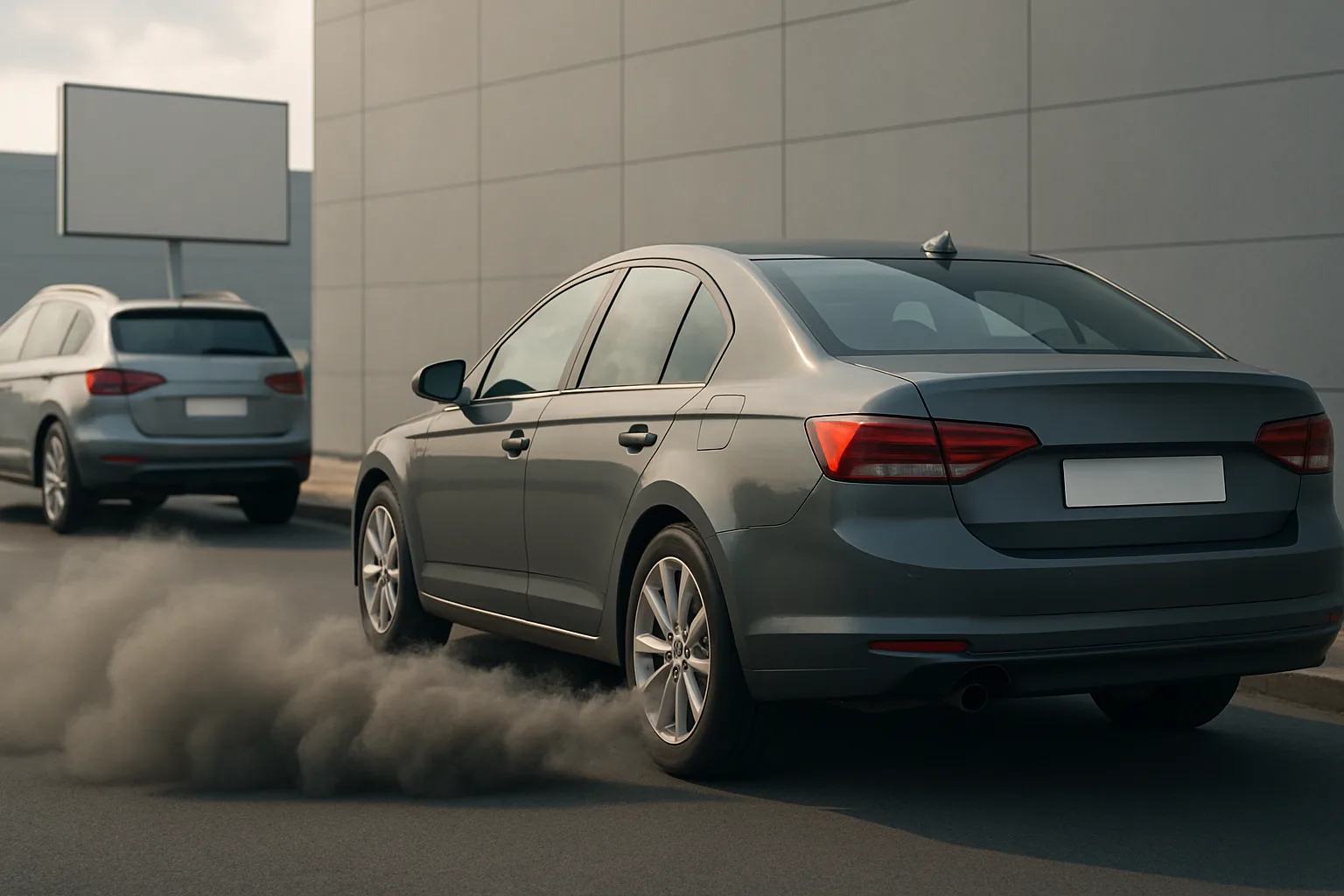
A global study published in 2017 revealed that failures in diesel emissions testing are responsible for at least 38,000 premature deaths each year, with the blame spread across the entire automotive industry. The research, which examined nitrogen oxide (NOx) emissions from diesel vehicles in real-world driving, found that virtually all manufacturers produced cars that exceeded legal pollution limits outside of laboratory tests.
All major manufacturers implicated
The diesel emissions scandal first broke publicly in 2015 with Volkswagen’s use of defeat devices, but the new research makes clear that the issue is not confined to one company. According to the International Council on Clean Transportation (ICCT), which contributed to the study, all carmakers have deployed techniques that reduce the effectiveness of emissions controls during normal driving. The result is that diesel vehicles on the road emit far more NOx than regulations intend, regardless of brand.
In Europe, where diesel cars dominate the market, these excess emissions have become a major public health problem. The study found that most of the 38,000 annual early deaths occurred in Europe, with China and India also suffering heavily from truck emissions. The researchers only counted deaths linked to NOx forming fine particles and ozone, suggesting the real toll could be even higher.
Technical failures and regulatory gaps
The problem is rooted in the gap between laboratory emissions testing and real-world driving. Manufacturers have been able to pass official tests by optimising vehicles for laboratory conditions, while everyday use produces much higher pollution. The ICCT’s Ray Minjares said that two-thirds of all diesel vehicles worldwide follow EU standards, so failings in European regulation have global consequences.
Some new models can meet emissions limits in real driving, showing that the technology exists, but the study’s authors argue that carmakers have chosen not to apply these solutions broadly. The Society of Motor Manufacturers and Traders, representing the UK industry, responded that manufacturers are investing in cleaner technology, but the study’s findings suggest that voluntary action has not been enough to prevent widespread harm.
What it means for manufacturers and policy
The research covers 80% of the global diesel market, including major economies outside Europe. The authors and public health experts have called for urgent removal of the most polluting diesel vehicles from roads and for much stricter enforcement of emissions standards. Legal action has already forced governments, including the UK’s, to revisit their air quality plans.
- Volkswagen was the first to be caught, but all major brands have produced diesel vehicles emitting far above legal limits in real driving.
- The majority of excess deaths are linked to cars in Europe and trucks in Asia.
- Regulatory failures in the EU have global effects, as many markets follow European standards.
This public health crisis has intensified scrutiny of diesel technology and accelerated the push towards electric vehicles, especially in Europe. The scandal has also forced manufacturers to invest heavily in emissions control and alternative powertrains, reshaping product development and regulatory compliance strategies across the industry.