BMW Plans Up to Ten Mini Variants on New UKL Platform
BMW is preparing to expand the Mini range to as many as ten different variants, with future models based on the group’s new front-wheel-drive UKL architecture.
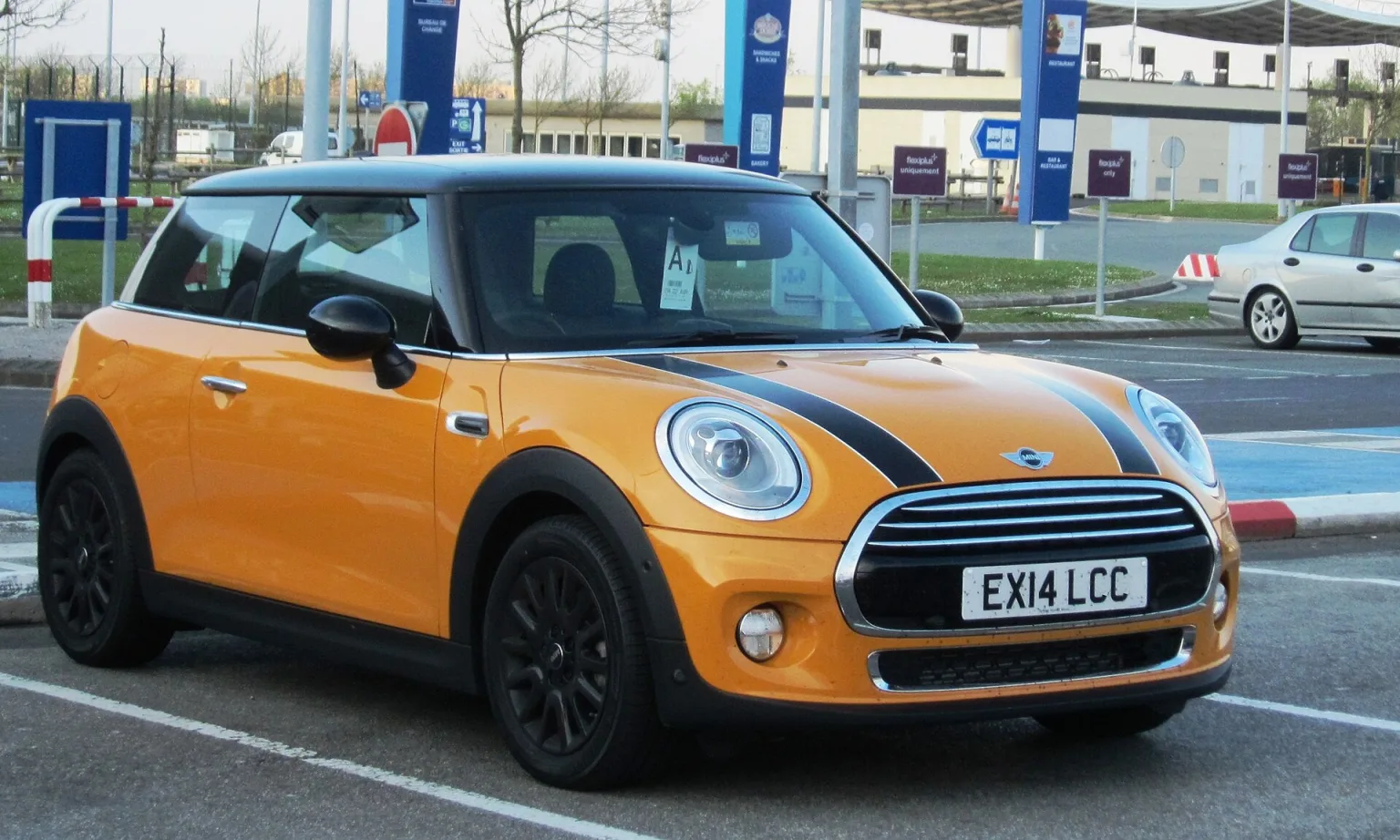
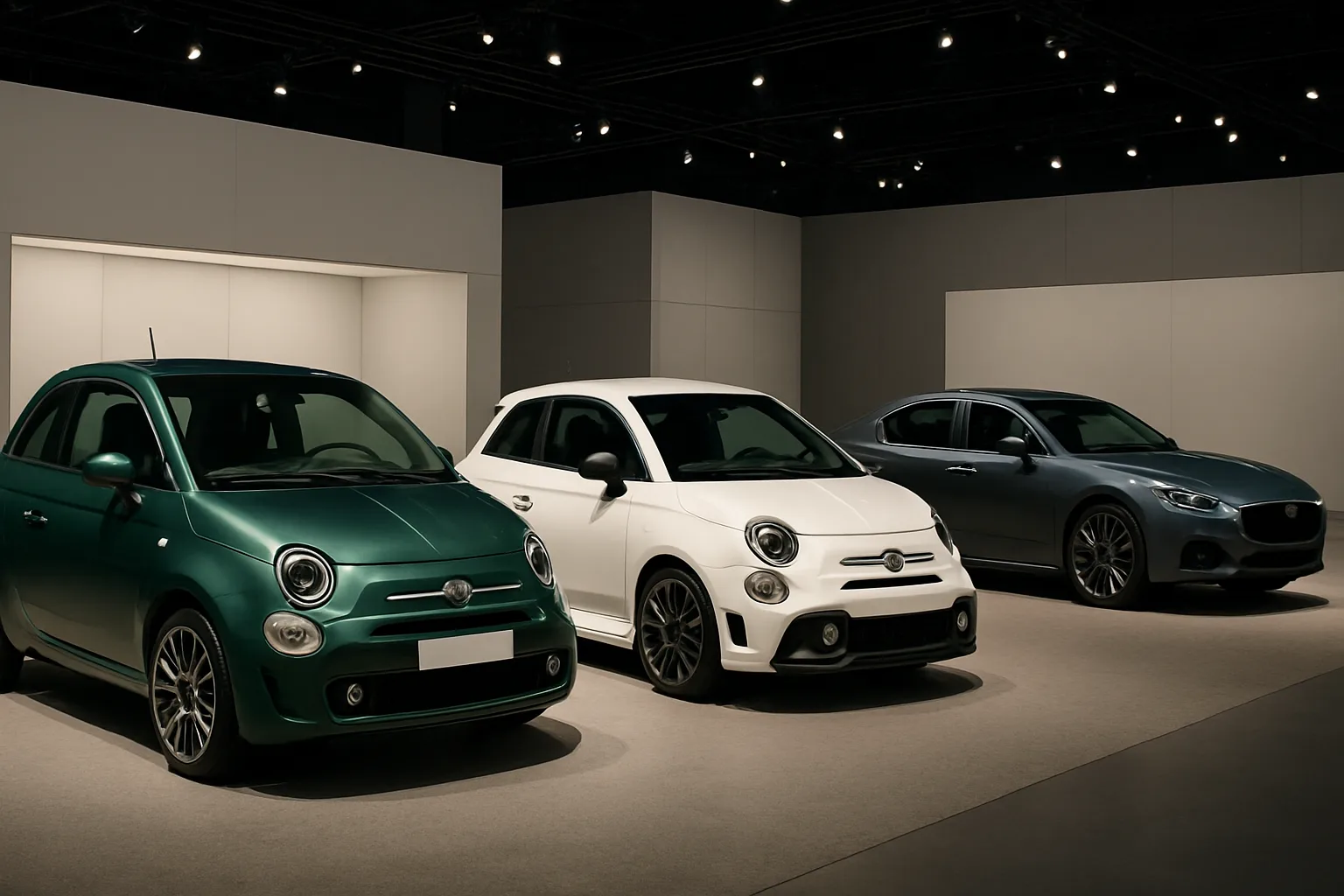
BMW is preparing a major expansion of the Mini line-up, with plans for as many as ten different variants based on the group’s UKL front-wheel-drive architecture. The move, outlined by BMW board member Peter Schwarzenbauer, marks a step change from the current seven-model Mini range.
Schwarzenbauer, who oversees the Mini brand, confirmed that the company is evaluating several options for the next generation. While he did not specify which of the current models would continue, he said the plan under discussion involves between eight and ten distinct Mini variants. The current Mini range already covers the Hatch, Convertible, Clubman, Countryman, Paceman, Coupe and Roadster, but BMW’s ambition is to broaden the line-up further.
New UKL platform underpins expansion
The new Minis will be built on BMW’s UKL platform, which also underpins entry-level BMW models. This front-wheel-drive architecture is designed to support a wide range of body styles and drivetrains, giving Mini the flexibility to create more derivatives than before. The UKL platform is already used by the BMW 2 Series Active Tourer and is set to underpin future compact BMWs as well.
The expansion is intended to keep Mini competitive in a premium small car segment that has seen increased competition from rivals such as Audi and Mercedes-Benz. By diversifying the range, BMW hopes to appeal to a broader set of buyers and cover more market niches.
Production to expand beyond Oxford
To support the larger range, BMW is looking to increase production capacity. The company’s main Mini plant in Oxford, England, will remain the core production site, but additional capacity will come from VDL Nedcar in the Netherlands. The former Mitsubishi plant, now owned by Dutch contract manufacturer VDL, is being prepared as a full-service assembly facility for Mini, with its own press shop, body-in-white, paint and assembly lines. Engines for the new Minis will continue to be produced elsewhere, following BMW’s existing supply arrangements.
The Dutch plant is expected to take on production of the third-generation Mini hatch and potentially other variants, providing flexibility if demand outstrips the Oxford plant’s capacity. The move also helps BMW hedge against capacity bottlenecks and potential disruptions in the UK.
What buyers and dealers can expect
For Mini dealers and buyers, the shift to the UKL platform and the wider model range means more choice in body styles and equipment. The platform’s flexibility could also open the door to new engine options, including BMW’s latest turbocharged three-cylinder engines, which have already been detailed for other models. For more on BMW’s new turbocharged engines, see BMW details new 1.5-litre turbocharged three-cylinder engine.
A broader range will allow Mini to target more market segments, from practical estates to sportier hot hatches and niche models. This approach is in line with BMW’s strategy to maximise the Mini brand’s reach without sacrificing its distinctive character.
Outlook for Mini’s future line-up
BMW has not confirmed which of the current Mini derivatives will be replaced or which new variants will be introduced. The company is still evaluating its options and has not set a public timeline for the full roll-out. The decision to invest in additional capacity at VDL Nedcar signals BMW’s confidence in Mini’s growth potential, even as the brand prepares for a period of transition.
Further details on specific models and production plans are expected as the next generation Mini range is finalised.