Bridgestone confirms 50bn yen tyre plant investment in Thailand
Japanese giant Bridgestone will build a new factory in Rayong, Thailand, with a projected capacity of 85 tonnes per day by 2019 to supply tyres for construction and mining machinery.
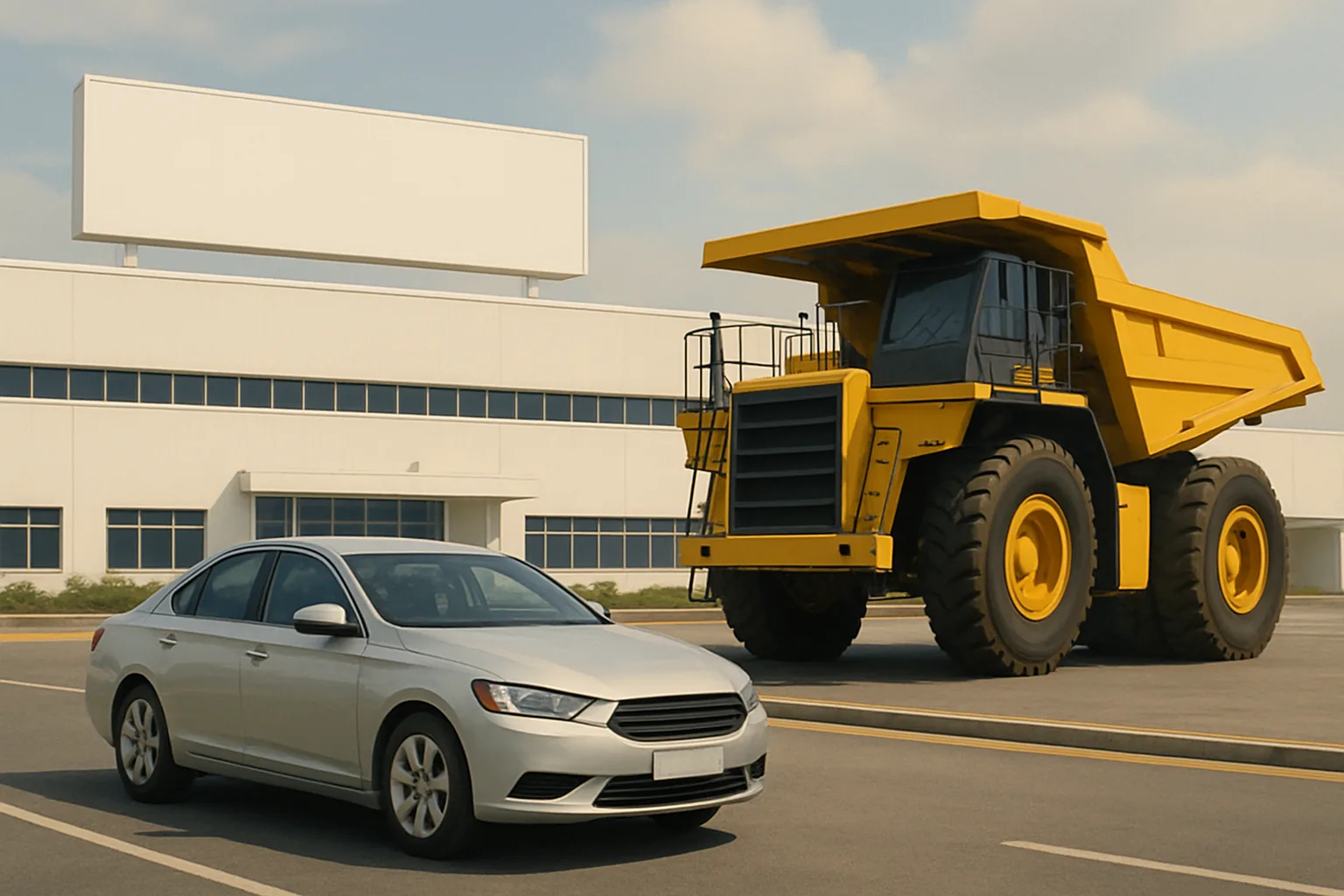
Bridgestone will invest 50 billion yen (approximately $615 million) to construct a new tyre factory in Rayong, Thailand, aiming to supply the growing global demand for tyres used in construction and mining equipment. The company announced the project in March 2012, confirming that the plant will focus on Off-The-Road Radial (ORR) tyres, a segment driven by infrastructure and resource development worldwide.
The Rayong facility will be dedicated to manufacturing large radial tyres for use on heavy vehicles such as dump trucks, loaders and other machinery in the mining and construction sectors. Bridgestone has set a target for the plant to reach a production capacity of around 85 tonnes per day by the first half of 2019, following a phased ramp-up after the plant comes online.
This move expands Bridgestone’s manufacturing footprint in Southeast Asia, a region that has become increasingly important for global tyre production thanks to its access to raw materials and proximity to emerging markets. The company already operates tyre and steel cord facilities in Thailand, and will also begin local production of steel cord used in ORR tyres at its existing subsidiary. This will enable Bridgestone to integrate more of its supply chain within the country, reducing logistics complexity and supporting just-in-time manufacturing for its customers.
Why Rayong and why now?
Rayong has established itself as a manufacturing hub for automotive components, with infrastructure and skilled labour suited to large-scale industrial operations. Bridgestone’s decision to site the new plant here reflects both the region’s logistics advantages and Thailand’s role as a leading tyre exporter. The company’s investment is a response to a sustained rise in demand for heavy-duty tyres, particularly from Asia-Pacific markets where mining and construction activity remains strong.
Implications for Bridgestone and the sector
For Bridgestone, the new facility strengthens its position in the market for large construction and mining tyres, a sector dominated by a handful of global players. By increasing production capacity in Thailand, Bridgestone can respond more flexibly to shifts in demand and reduce lead times for customers in the region. The move also signals confidence in the long-term outlook for resource and infrastructure projects, despite cyclical fluctuations in commodity prices.
The company said it will continue to monitor global demand for ORR tyres and adjust its output accordingly. The investment in local steel cord production further supports the group’s strategy of localising key components, which could help shield Bridgestone from currency swings and supply chain disruptions. For workers in Rayong, the project is expected to create new manufacturing jobs and support the region’s industrial base.
Bridgestone’s expansion in Thailand mirrors similar moves by other global manufacturers seeking to boost capacity in emerging markets. Comparable investments by companies such as GM in Argentina and Audi in Mexico show a wider trend of targeting production where both demand and supply chain advantages align. For more on recent plant investments, see GM to Invest $450 Million in Argentina’s Rosario Plant.