Baidu Targets Autonomous Car Launch by Year-End
Chinese technology company Baidu says it plans to introduce an autonomous car before the end of 2015, joining a crowded field of global tech and automotive firms racing to deploy self-driving vehicles.
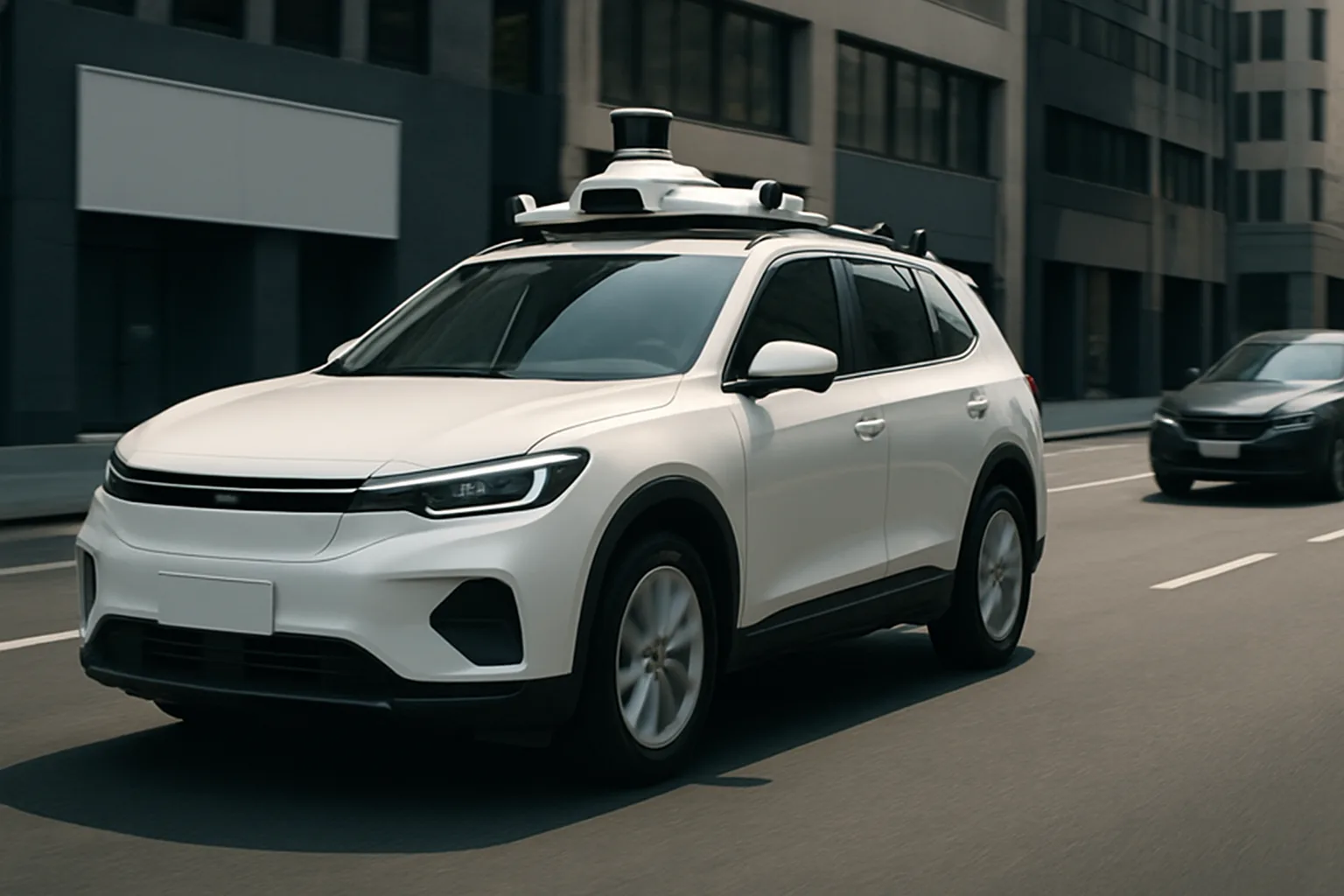
Baidu, China’s largest search engine operator, has announced plans to introduce an autonomous car before the end of 2015. Chief executive Robin Li said the company is working with established automakers to develop a self-driving vehicle, though he did not name the partners involved.
Li’s comments came during the Chinese People’s Political Consultative Conference in Beijing, where he confirmed Baidu’s autonomous car project is in the development phase. The company has invested in research on smart vehicles and connected car technology, seeking to combine its expertise in artificial intelligence and mapping with automotive manufacturing know-how.
Baidu’s entry into the autonomous driving race puts it alongside global technology rivals such as Google and Apple, both of which have ongoing projects in self-driving and electric vehicles. Google’s prototype autonomous cars have already begun testing on public roads in the United States, while Apple’s automotive ambitions remain largely under wraps.
Government support for tech partnerships
China’s Ministry of Industry and Information Technology has signalled support for non-automotive companies entering the car sector, particularly in autonomous and connected vehicles. Minister Miao Wei has encouraged partnerships between technology companies and traditional carmakers, aiming to accelerate innovation in the sector.
The government’s stance reflects a broader policy to modernise China’s automotive industry and compete with international players. This approach opens the door for firms like Baidu, which possess advanced software and data capabilities but lack manufacturing experience, to play a larger role in the future of mobility.
Baidu’s approach and industry context
Baidu’s autonomous car project is part of its wider strategy to expand beyond search and online services. The company has previously invested in artificial intelligence, mapping, and cloud computing, all of which are key components for autonomous vehicle development. While details about the specific vehicle or its intended market have not been disclosed, Baidu’s involvement is expected to intensify competition among both domestic and international autonomous driving initiatives.
Chinese authorities have also indicated willingness to review production rules to allow more non-traditional entrants into the automotive sector, a move that could further support Baidu’s ambitions. For more on how new entrants are reshaping the sector, see Autonomous Cars Set to Reshape the Global Motor Industry.
Competition from global tech giants
Baidu is not alone in pursuing autonomous vehicle technology. Google, for instance, has been testing self-driving cars in California and other US states, while Apple’s secretive automotive project continues to generate speculation. In China, the government’s openness to innovation is expected to encourage further collaboration between tech firms and traditional manufacturers.
With several major players vying to bring autonomous vehicles to market, 2015 could see the first Chinese-developed self-driving car on the road if Baidu’s timeline holds. The company’s move signals growing momentum for autonomous driving not just in Silicon Valley but also in China’s rapidly evolving tech sector.