Ecclestone targets online media access in F1 paddock
Bernie Ecclestone has announced plans to tighten paddock accreditation for online journalists, raising questions about future access for digital media in Formula One.
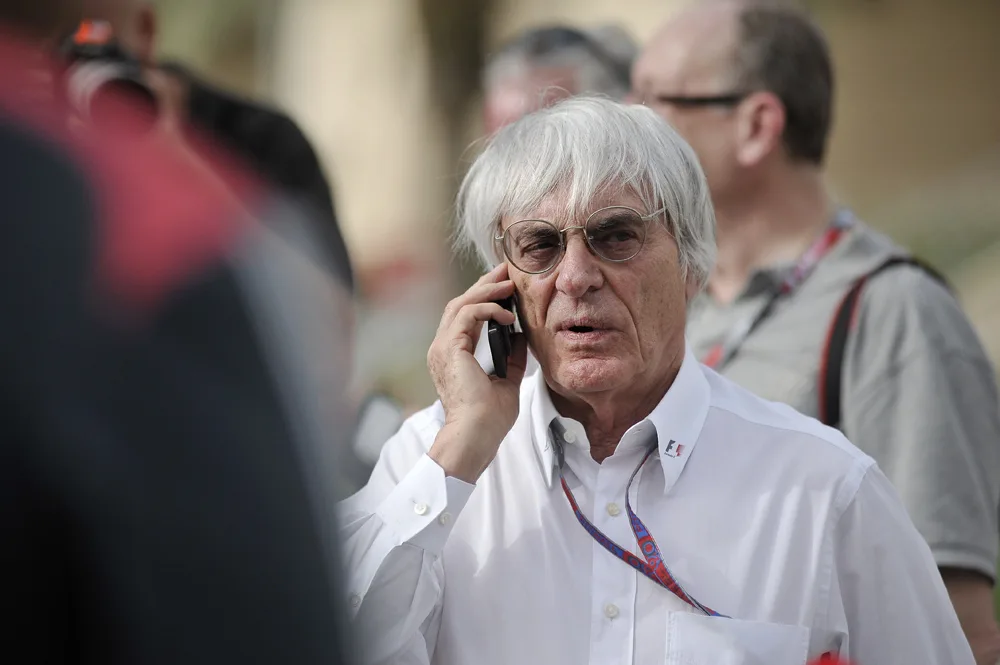
Bernie Ecclestone is preparing to restrict the presence of online media in the Formula One paddock, saying the current system for digital journalist accreditation has become too lax. The move comes after his recent public dismissal of social media’s influence in the sport.
Speaking to F1 business journalist Christian Sylt, Ecclestone criticised the ease with which individuals can gain access to the paddock by setting up a website. He described the situation as “a bit of a joke” and said he intends to review the accreditation process for future races.
At the time, Formula One’s media accreditation was managed by the Formula One Administration, which issued passes to journalists and photographers from print, broadcast and online outlets. In recent years, the number of digital-only publications and bloggers in the paddock had increased, reflecting broader changes in how fans follow the sport.
Ecclestone’s stance on digital media
Ecclestone’s comments followed a week in which he publicly questioned the value of social media platforms such as Facebook and Twitter for Formula One. He has long expressed scepticism over the commercial benefits of digital engagement, instead favouring traditional broadcast deals and established print outlets.
His plan to tighten online media access is likely to affect independent websites and smaller digital publications, many of which have used the relative openness of paddock accreditation to build their coverage. Larger outlets with established reputations are less likely to be affected, but the move signals a clear preference for established media over new digital entrants.
Implications for paddock reporting
The review of accreditation criteria could limit the ability of emerging digital voices to report from inside the F1 paddock. For fans who rely on online coverage, this may mean fewer independent perspectives and less diversity in reporting. The move also comes at a time when several small teams, including Marussia and Caterham, were struggling to survive, and the sport’s commercial structure was under scrutiny.
Ecclestone’s approach to media access is part of a broader debate about Formula One’s relationship with its audience and the role of digital media in the sport’s future. The decision to clamp down on online journalists will be closely watched by both established and independent media, as well as by fans who have come to expect real-time, digital-first coverage of the paddock.
For more on Ecclestone’s recent comments and their impact on the sport, see Ecclestone’s Critical Comments Spark Tension Ahead of Geneva F1 Reform Meeting.