

Ford Cuts Electric Car Prices in Response to Weak US Sales
Ford has dropped the price of its battery-electric model by $6,000 after sluggish US sales, with further reductions possible through federal and state incentives.
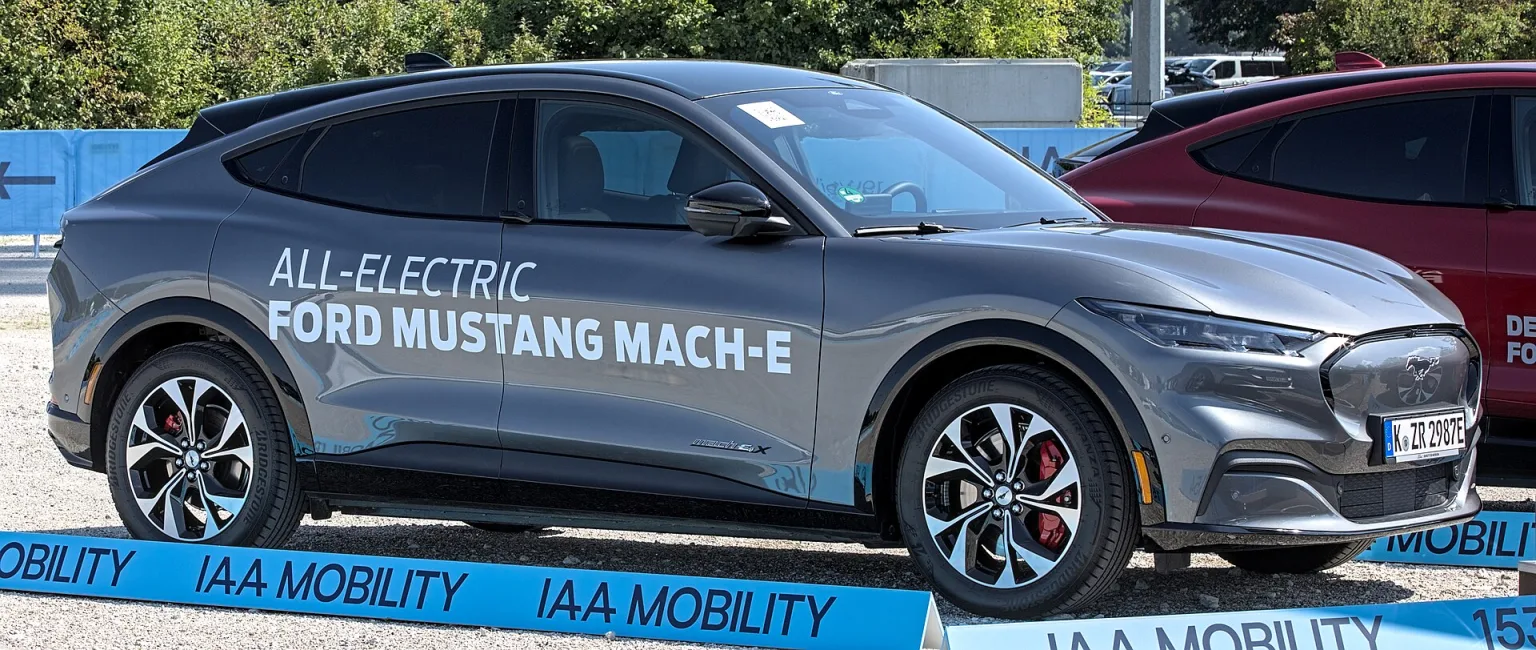
Ford has reduced the price of its battery-electric car in the United States by $6,000, setting a new sticker price of $29,995 including shipping. This significant price drop follows continued sluggish sales of electric vehicles (EVs) across the US market. The model initially launched at $39,995, and this latest cut builds on a previous $4,000 reduction made last year. The price could fall even further for buyers who qualify for federal and state incentives.
Ford Slashes Electric Car Prices Amidst Slow Sales
Electric Vehicle Sales Lag Behind Expectations
Despite years of development and substantial investment, electric vehicles have not met sales expectations in the United States. While battery technology continues to advance, several factors still deter mainstream buyers. High purchase prices, concerns about driving range, and long charging times are frequently cited as reasons for hesitation. For many Americans, traditional internal combustion engine vehicles continue to offer greater convenience and lower upfront costs.
Plug-in hybrid models, which can operate on electric power for short distances before switching to petrol engines, have also seen price reductions. These vehicles are marketed as a compromise for buyers who are interested in electric driving but are not yet ready to rely solely on battery power, particularly due to concerns about charging infrastructure and range limitations.
Automakers Respond with Broad Price Cuts
Ford is not the only automaker responding to weak demand for electric vehicles. Across the US, several manufacturers have introduced discounts on both battery electric vehicles (BEVs) and plug-in hybrids. These price adjustments reflect the intense competition in the market and the ongoing challenge of attracting buyers to new technologies. Automakers have invested heavily in developing EVs, and price reductions are one of the few tools available to stimulate interest in a segment that has yet to achieve widespread adoption.
The price reductions are not limited to Ford. Other major American carmakers have introduced similar discounts on their electric and plug-in hybrid models, hoping to boost sales and recoup some of their investment in electric technology. The pattern of price cuts suggests a broader industry trend, as companies attempt to make electric vehicles more accessible and appealing to consumers who remain cautious about making the switch.
Incentives and Market Impact
Federal and state incentives remain a crucial part of the electric vehicle offer in the US. Tax credits and rebates are designed to help narrow the price gap between electric cars and their petrol-powered counterparts, making EVs more financially attractive to buyers. However, even with these incentives, the market response has been muted, and many consumers remain unconvinced.
Manufacturers are now weighing further price adjustments and increased marketing efforts to stimulate demand. The challenge is not unique to Ford; other American carmakers have faced similar struggles and have responded with their own price reductions. The situation in the US stands in contrast to countries such as Norway, where strong government incentives and a well-developed charging infrastructure have led to rapid adoption of electric vehicles.
Comparing Price Cuts and Incentives
| Event | Price After Event |
|---|---|
| Original launch price | $39,995 |
| First price cut (last year) | $35,995 |
| Second price cut (current) | $29,995 |
| Potential price after incentives | Varies by eligibility |
Depending on eligibility for federal and state incentives, buyers could see the effective price of Ford's electric vehicle drop even further. These incentives are subject to change and can vary significantly by location, but they remain a key factor in the purchasing decision for many consumers.
Challenges Ahead for Electric Vehicle Adoption
The struggle to boost electric vehicle sales in the US highlights the broader challenges facing the industry. Automakers must contend with consumer concerns over cost, range, and charging convenience, while also competing with established petrol-powered models. Ongoing price reductions may help to attract more buyers, but overcoming scepticism and building confidence in electric technology will likely require further improvements in battery performance, charging infrastructure, and overall affordability.
For now, Ford's electric car is available at $10,000 less than its original launch price after two rounds of price cuts. Whether this move will be enough to spark greater interest in electric vehicles remains to be seen, but it signals the lengths to which automakers are willing to go in order to compete in a challenging and rapidly changing market.



