

Fiat Chrysler to Recalibrate Diesel Engines for Cleaner Emissions
Fiat Chrysler Automobiles will voluntarily update its diesel engine software to improve real-world emissions, following internal reviews prompted by increased scrutiny after the Volkswagen scandal.
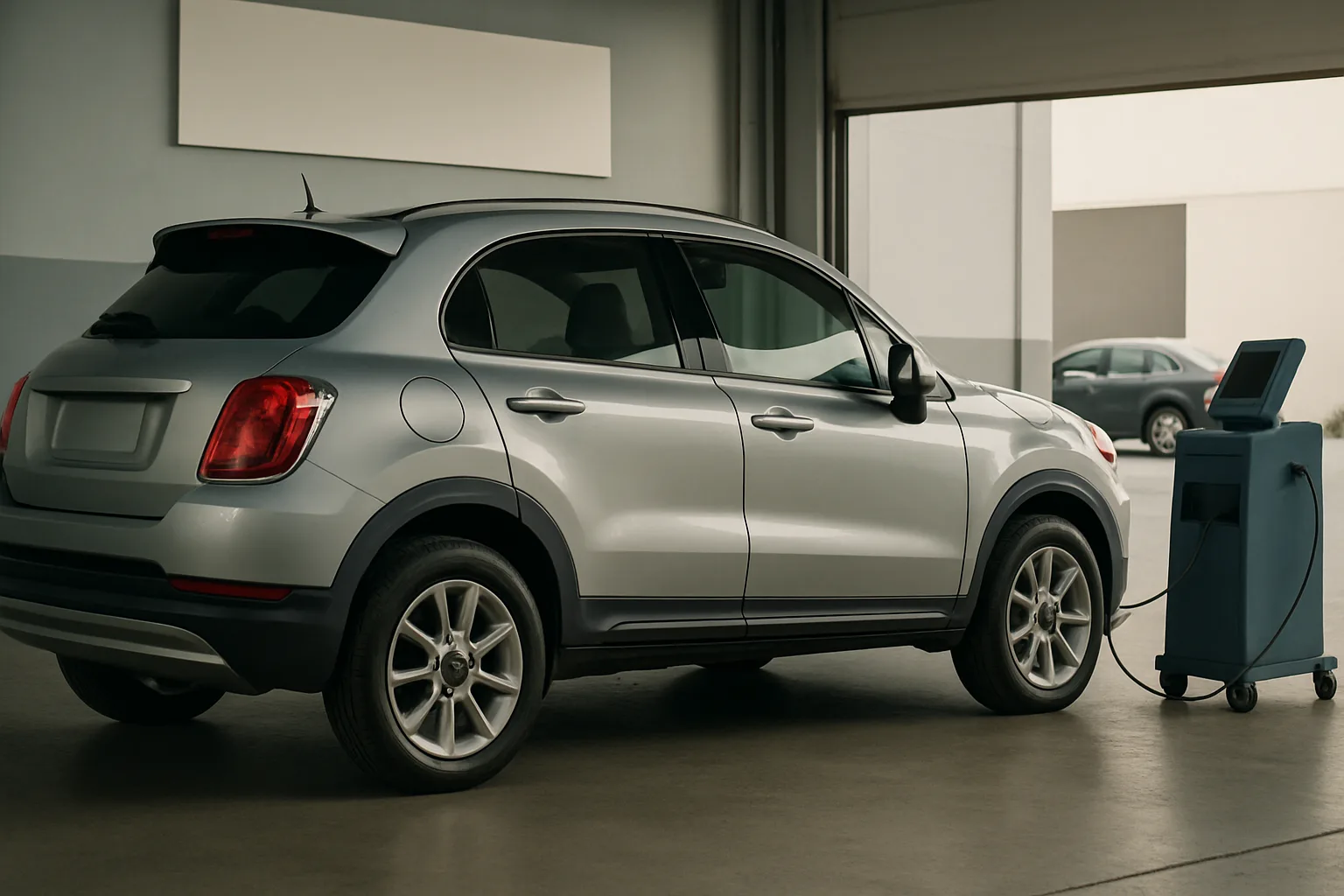
Fiat Chrysler Automobiles (FCA) announced it will voluntarily recalibrate its diesel engines to reduce emissions in real-world driving, with the first updates rolling out from April 2016. The move follows an internal review triggered by the Volkswagen emissions scandal, which led regulators across Europe to examine diesel emissions more closely.
FCA said the new software calibrations will be applied to all its new diesel models as a proactive measure, not in response to any regulatory demand. The company emphasised that its vehicles comply with current emissions standards and denied any attempt to circumvent testing procedures. The recalibration aims to ensure FCA diesels perform better under real-world driving conditions, which have come under increasing scrutiny since 2015.
New technology and future compliance
From the second quarter of 2017, FCA plans to introduce selective catalytic reduction (SCR) systems to a wider range of its diesel vehicles. SCR technology uses a urea-based solution to reduce nitrogen oxide (NOx) emissions, a key focus of new European regulations. The company said these changes would help its vehicles meet upcoming European Union testing procedures designed to better reflect real-world emissions, rather than laboratory conditions.
The European Parliament is set to vote on revised emissions limits for diesel cars, with proposals to allow higher NOx emissions during the transition to new test cycles. FCA has expressed support for the EU's approach, saying it welcomes clearer rules for both consumers and manufacturers.
Implications for buyers and the industry
For buyers, the recalibration and adoption of SCR technology may improve the environmental performance of new FCA diesel vehicles and help avoid potential regulatory issues as testing procedures change. Dealers can expect updated models to be available from April, with further technology upgrades later in 2017. FCA's move also positions the company alongside other manufacturers responding to stricter emissions scrutiny, as seen in recent actions by Daimler and others.
The company maintains that its diesels have always met legal requirements. The recalibration is part of broader industry efforts to restore confidence in diesel technology after widespread criticism and regulatory action following the Volkswagen case. For more on how other manufacturers have responded to emissions scrutiny, seeOpel Faces Lighter Scrutiny Than Fiat Chrysler Over Diesel Emissions.



