Opel Faces Lighter Scrutiny Than Fiat Chrysler Over Diesel Emissions
German authorities pressed Opel and Fiat Chrysler on diesel emissions, but Opel’s cooperation and technical justifications may spare it the penalties facing FCA.
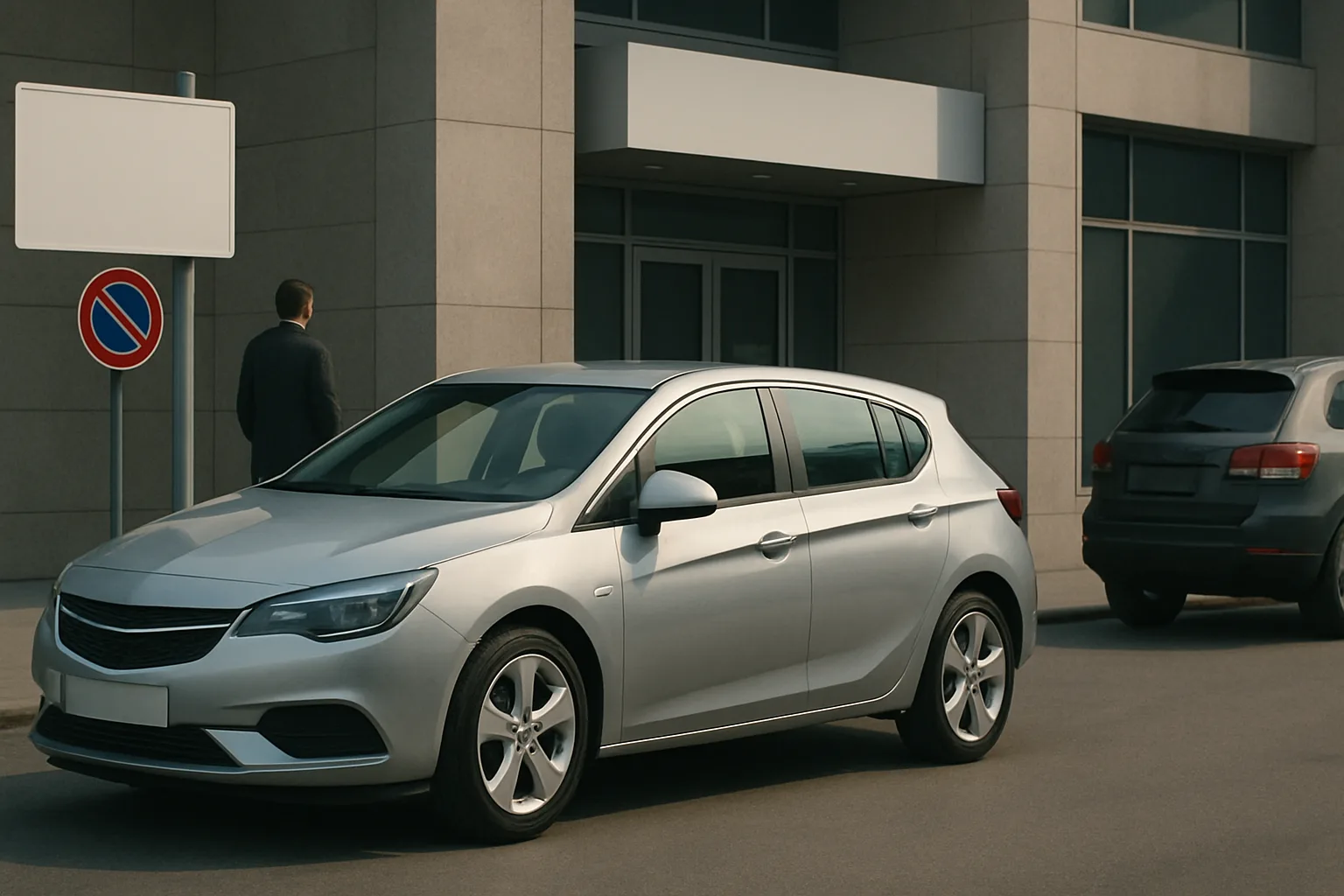
German regulators investigating diesel emissions software have taken markedly different approaches with Opel and Fiat Chrysler Automobiles (FCA), after both manufacturers were caught up in the widening European probe into defeat devices in 2016.
Opel, then a General Motors subsidiary, met with German authorities to address allegations that its diesel models used software to limit exhaust treatment under certain conditions. The company provided technical explanations, arguing that any such measures were designed to protect engine components and fell within the exemptions allowed under EU law. According to industry experts, these justifications were likely to be accepted by regulators, with Opel expected to receive warnings rather than sanctions.
How Opel and FCA Responded to Emissions Scrutiny
The contrast with FCA’s response is stark. Fiat Chrysler declined to attend meetings with German officials, instead referring the matter to Italian regulators. This move complicated the investigation, as cross-border regulatory coordination in the EU can be slow and politically sensitive. While Opel’s engagement with German authorities helped it present its case directly, FCA’s decision left German regulators frustrated and increased the likelihood of more severe scrutiny.
The legal framework at the time allowed manufacturers to use defeat devices if they could demonstrate a legitimate need to protect the engine. However, the burden was on the manufacturer to show that the device was not intended to circumvent emissions testing. Opel’s technical team argued that its system, which reduced exhaust aftertreatment outside certain temperature ranges, was necessary for engine protection. Experts suggested that these arguments, while bending the spirit of the law, were likely to be accepted as plausible by regulators.
Regulatory Loopholes and Industry Impact
EU regulations prohibited defeat devices unless strictly required for engine safety or reliable operation. In practice, the definition of necessity left room for interpretation. Tests were typically conducted between 20°C and 30°C, and manufacturers could claim that exhaust treatment needed to be reduced outside this range for technical reasons. Critics pointed out that this allowed some carmakers to exploit the rules without technically breaking them.
- Opel’s approach: direct engagement with German authorities, technical justifications for software.
- FCA’s approach: refusal to meet German officials, escalation to Italian regulators, less transparency.
For Opel, the outcome was expected to be limited to warnings or minor penalties. FCA, by contrast, risked a more protracted and confrontational process. This divergence reflected not just the technical details of the cases, but also the manufacturers’ willingness to engage with regulators and the ambiguities of European emissions law at the time.