Fiat Backs Compressed Natural Gas Over Fuel Cell Power
Fiat has reaffirmed its preference for compressed natural gas vehicles, citing infrastructure and efficiency concerns as it distances itself from hydrogen fuel cell development.
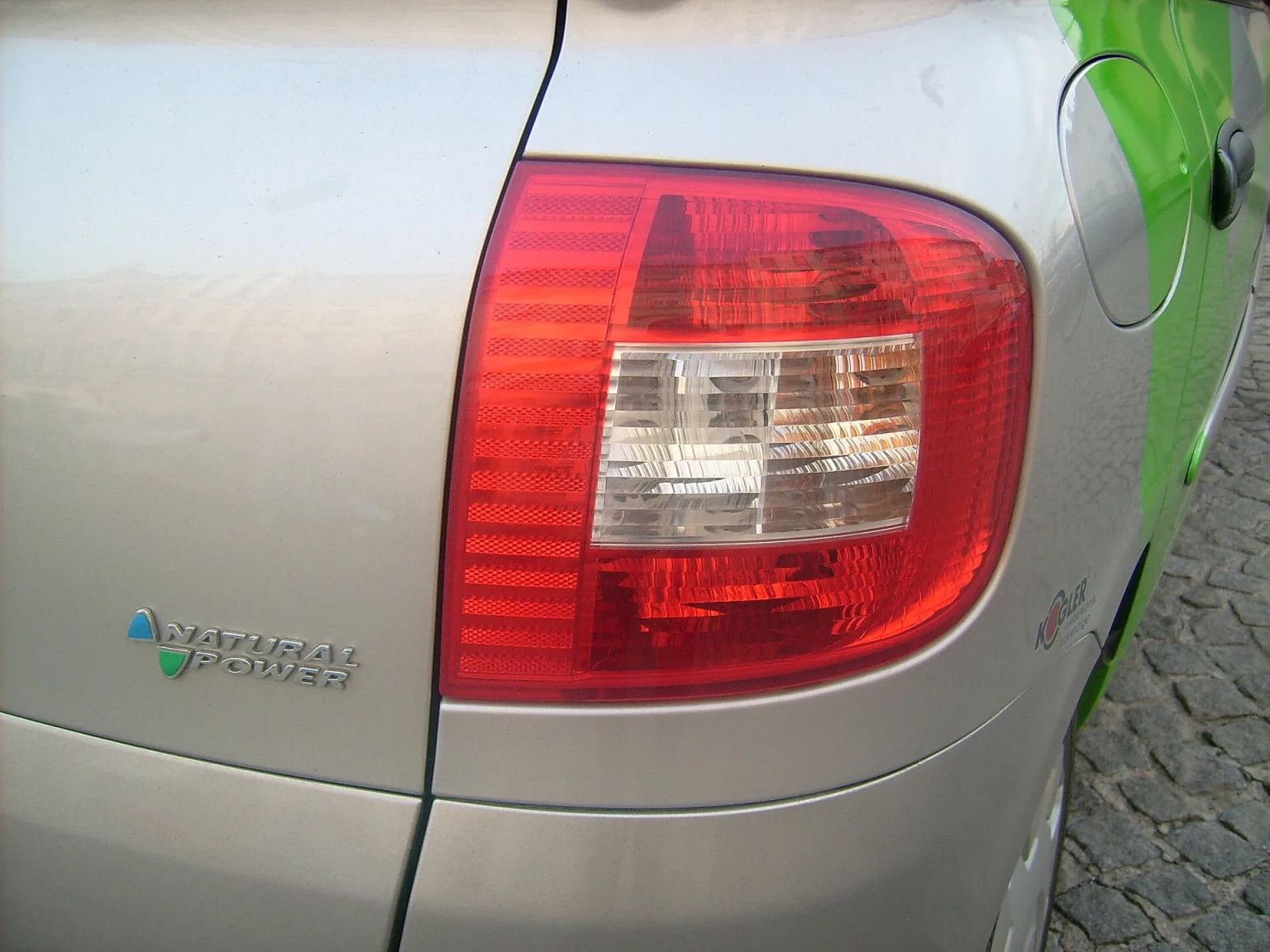
Fiat has restated its commitment to compressed natural gas (CNG) technology, arguing that hydrogen fuel cells offer no clear efficiency advantage over diesel and face major infrastructure hurdles in Italy. The company’s position comes as rivals invest heavily in hydrogen, but Fiat maintains that CNG is a more practical alternative for both the Italian market and its product strategy.
Efficiency and infrastructure drive Fiat’s decision
Fiat’s technical leadership has repeatedly questioned the benefits of hydrogen fuel cells, pointing out that the technology does not deliver substantial efficiency gains compared with modern diesel engines. In addition, the company points to the difficulty of distributing hydrogen across Italy. Unlike natural gas, which already has an established pipeline network, hydrogen would require new infrastructure for production, storage and refuelling. This makes CNG a more immediately viable solution for Italian motorists and fleet operators.
Italy’s natural gas infrastructure is well developed, with pipelines already supplying much of the country. Fiat has argued that this network can support the growth of CNG vehicles without the need for the large-scale investment that hydrogen distribution would require. This infrastructure advantage is central to Fiat’s strategy, especially as other manufacturers such as Honda and Hyundai commit to fuel cell models in markets with more hydrogen investment.
CNG models and market presence
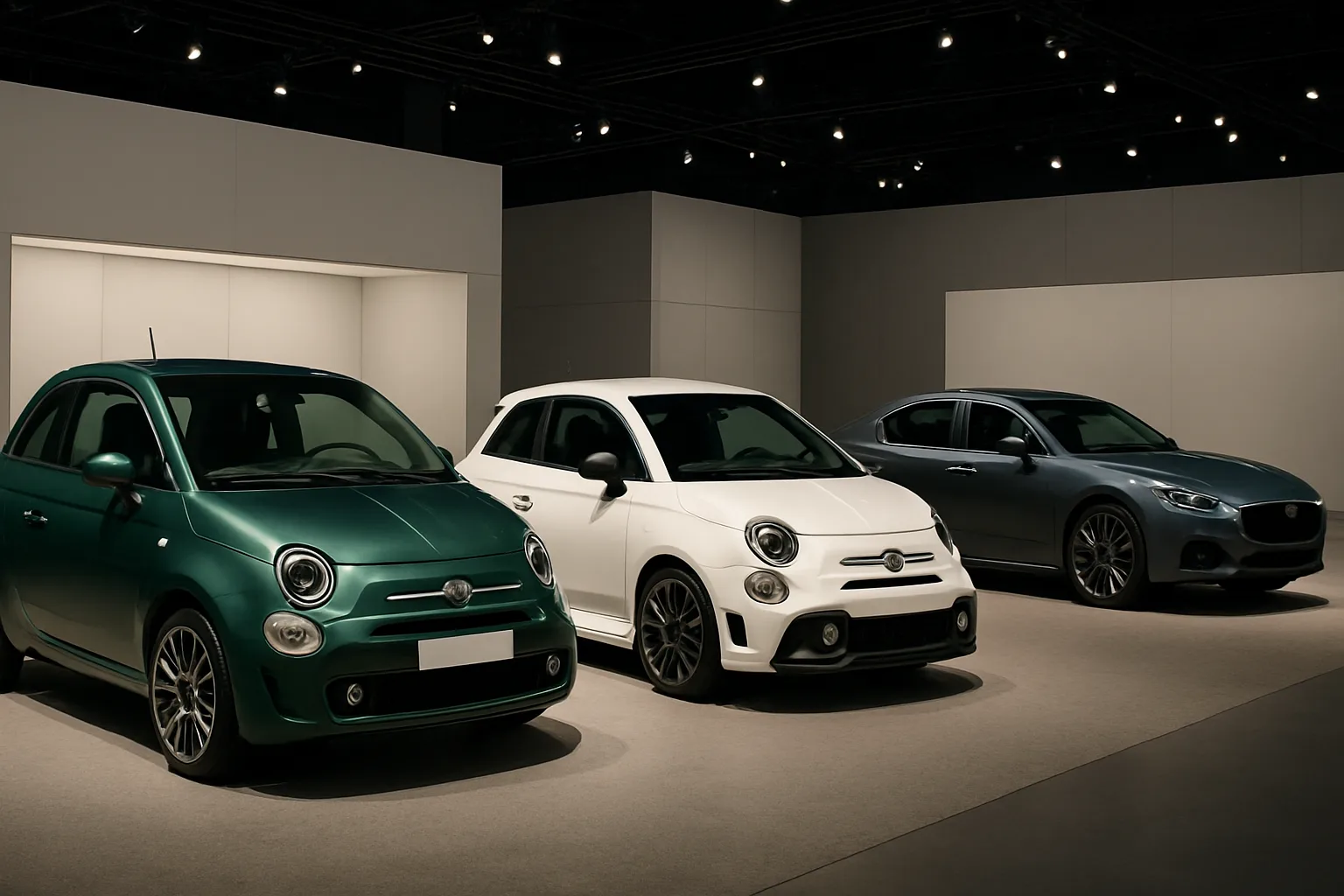
Fiat’s CNG offering includes the Panda Natural Power, which can run on either petrol or methane, and the 500L Natural Power. The Panda’s bi-fuel system uses two methane tanks in place of the 4x4’s rear differential, allowing a quoted range of over 240 kilometres on gas alone. The company’s 0.9 TwinAir Turbo bi-fuel methane engine was recognised as the ‘Best Green Engine of the Year 2013’, following the petrol version’s earlier award. The same engine is also available in the Lancia Ypsilon EcoChic.
- Fiat Panda Natural Power: bi-fuel petrol/CNG city car
- Fiat 500L Natural Power: CNG-powered compact MPV
- Lancia Ypsilon EcoChic: CNG option with TwinAir engine
Between 1997 and 2013, Fiat sold more than 560,000 natural gas vehicles and commercial vehicles across Europe. The company continues to see demand for CNG models, particularly in markets with established refuelling infrastructure. By contrast, the lack of hydrogen refuelling stations has limited the uptake of fuel cell vehicles outside a handful of pilot regions.