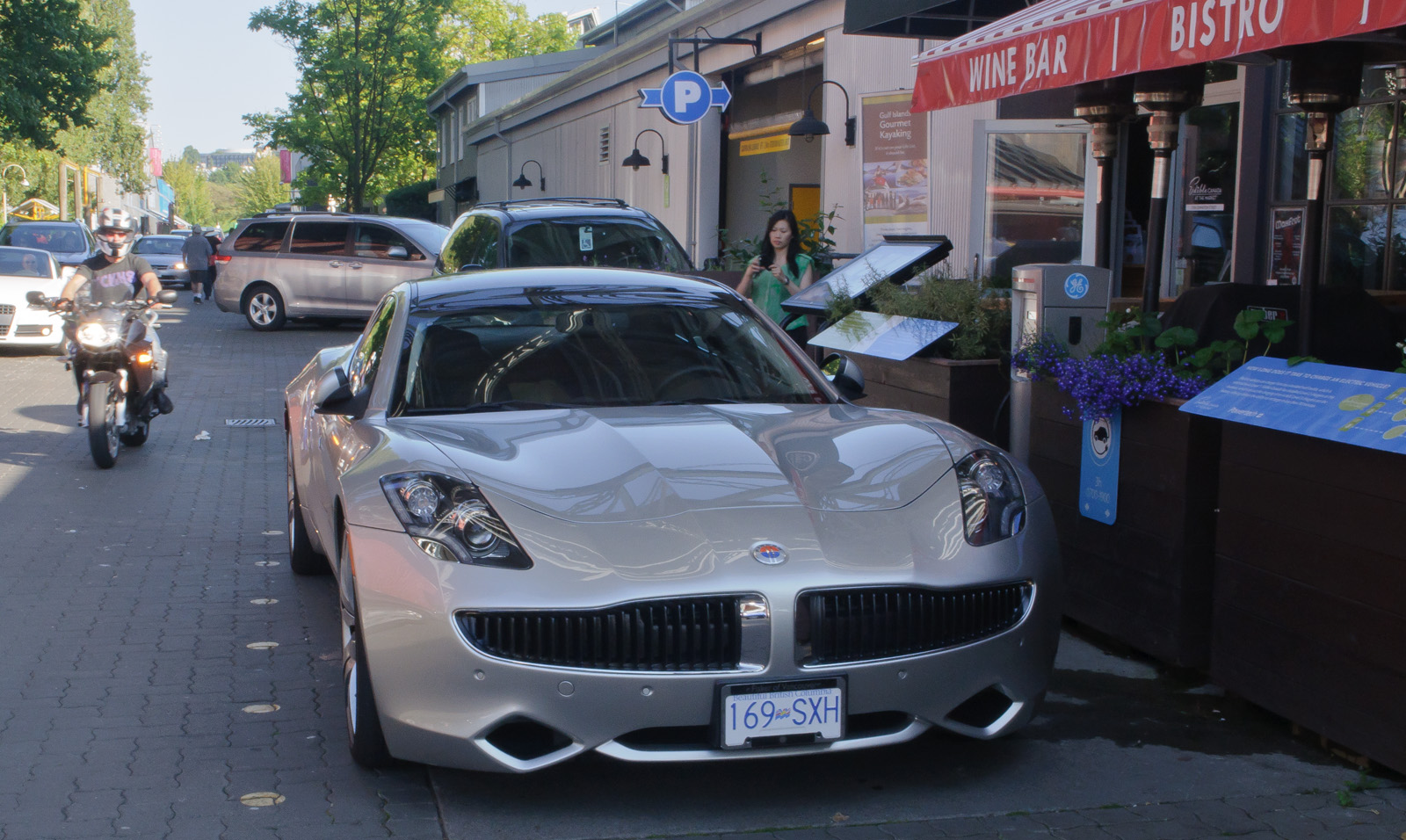
Fisker Karma Hits Six Months Without Production as Battery Crisis Drags On
Production of the Fisker Karma plug-in hybrid sedan has now been halted for half a year, with battery supplier A123’s bankruptcy leaving the assembly lines in Finland idle.
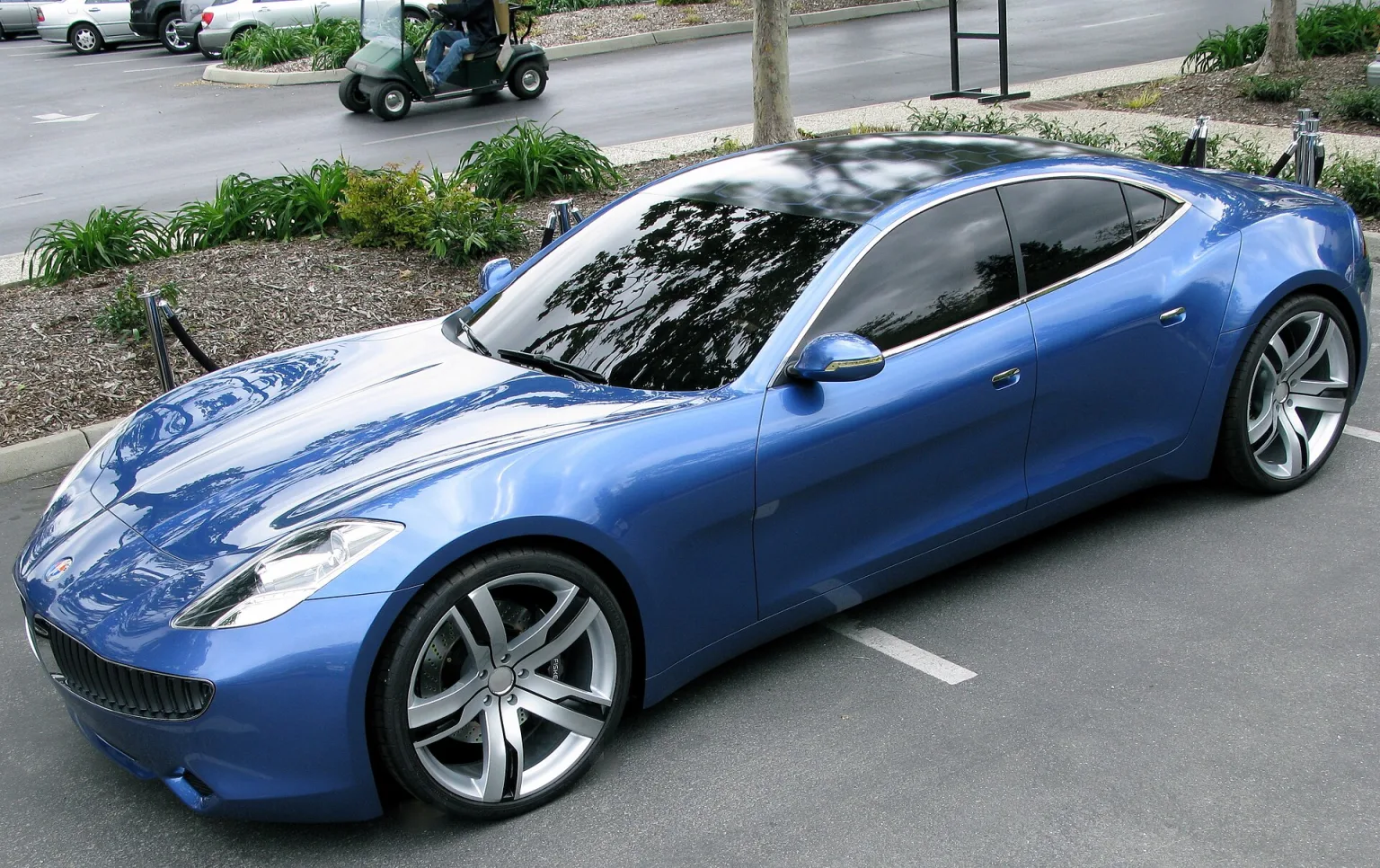
Fisker Automotive’s Karma plug-in hybrid has now reached six months without a single unit leaving the Valmet Automotive plant in Finland, as the company’s battery supplier crisis continues into 2013. The stoppage, which began in July 2012, is the result of A123 Systems’ bankruptcy and subsequent inability to supply the lithium-ion packs essential for the Karma’s range-extended drivetrain.
The Karma, which launched as a luxury plug-in saloon in 2011, depends exclusively on battery packs from A123 Systems. When A123 filed for bankruptcy in late 2012, Fisker’s supply chain was immediately disrupted. Existing battery inventory was rationed for warranty and service needs, and no new cars could be built. By January 2013, not a single Karma had been produced for half a year.
Battery supplier collapse stalls production
A123’s collapse left Fisker with few short-term options. The company considered alternative battery suppliers, but CEO Tony Posawatz made clear that any switch would require extensive validation and testing, potentially taking a year or more. Fisker’s management instead focused on securing a future supply from the new owner of A123, which by January 2013 was the Chinese conglomerate Wanxiang Group.
The battery crisis was only one part of the challenge. Fisker also entered negotiations to renegotiate its production contract with Valmet in Finland, further complicating the restart of assembly lines. According to company representatives, these talks overlapped with A123’s bankruptcy, making it impossible to resume manufacturing even if batteries had been available.
Talks with new suppliers and investors
With battery supplies exhausted and production at a standstill, Fisker began talks with Wanxiang and other potential investors. The aim was to secure both a reliable source of batteries and the financial backing needed to restart Karma assembly. Fisker spokespeople described these negotiations as “advanced” but gave no firm timeline for resuming production.
The company maintained that it had sufficient finished inventory to cover expected sales for the first half of 2013, but this was a stopgap. Without new production, dealers and customers faced growing uncertainty. The Karma’s reputation had already suffered from earlier recalls, reliability issues and the destruction of several units during Hurricane Sandy.
What it means for Fisker and the Karma
Fisker’s inability to build cars for six months placed the company in a precarious position. The Karma’s future depended not only on the outcome of negotiations with Wanxiang, but also on resolving contract terms with Valmet and restoring confidence among buyers and investors. As of January 2013, there was no clear date for production to restart.
- Production of the Fisker Karma began in July 2011.
- About 2,450 Karmas were built before the 2012 stoppage.
- The model was assembled exclusively at Valmet Automotive, Finland.