Volkswagen Golf Variant debuts at Geneva with BlueMotion estate
Volkswagen introduced the new Golf Variant at the 2014 Geneva Motor Show, including its most fuel-efficient estate yet with the TDI BlueMotion engine.
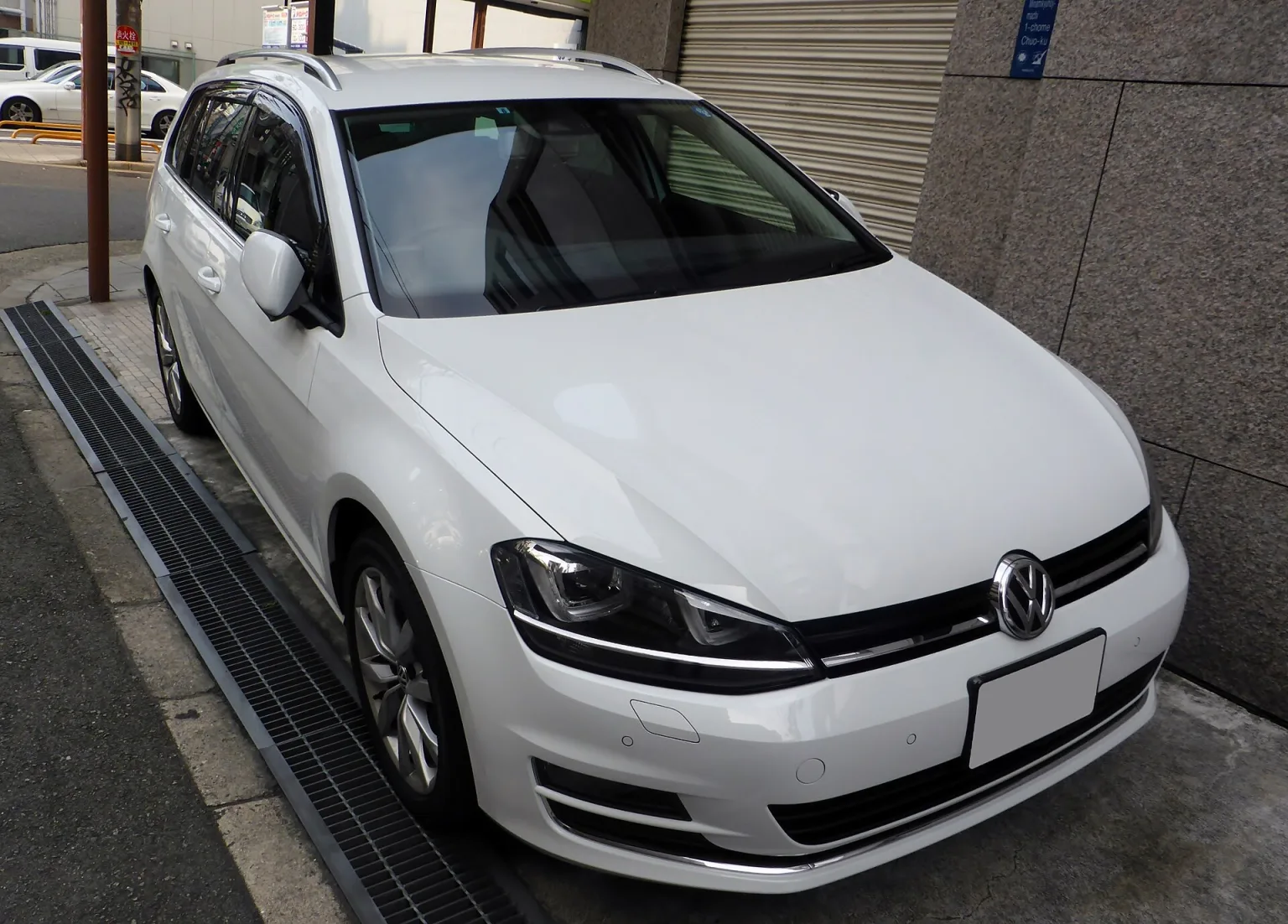
Volkswagen introduced the new Golf Variant to the public for the first time at the 2014 Geneva Motor Show. This latest estate version of the Golf is built on Volkswagen's MQB (Modularer Querbaukasten) platform, a modular architecture that underpins a range of VW Group models. The MQB platform brings improvements in weight, safety, and interior space, setting the foundation for the new Variant's blend of practicality and efficiency.
Golf Variant Unveiled at 2014 Geneva Motor Show
Introduction of the TDI BlueMotion Model
A significant highlight of the 2014 Golf Variant line-up is the introduction of the TDI BlueMotion model. This marks the first time Volkswagen has offered the estate with its most fuel-efficient diesel technology. The TDI BlueMotion is powered by a 1.6-litre four-cylinder diesel engine producing 110 PS, paired with a 6-speed manual gearbox. Volkswagen claims this model achieves a combined fuel consumption of just 3.3 litres per 100 kilometres and CO2 emissions of 87 g/km, making it the most economical Golf estate to date. These figures are designed to appeal to buyers looking for low running costs and a reduced environmental footprint, without sacrificing the practicality expected from an estate car.
Efficiency Features of BlueMotion
The BlueMotion badge on the Golf Variant signals a suite of efficiency-enhancing measures. These include optimised aerodynamics, low rolling resistance tyres, and specific engine modifications aimed at reducing fuel consumption and emissions. The result is a car that appeals to both company car drivers and private buyers, especially in countries where emissions-based tax incentives are in place. The 3.3 l/100 km fuel economy is a milestone for the Golf Variant, setting a benchmark for future estate models in the Volkswagen line-up.
MQB Platform and Practicality Improvements
The adoption of the MQB platform for the Golf Variant brings several advantages over the previous generation. The new architecture allows for weight reduction, which contributes to better fuel economy and handling. Safety features are also improved, with the platform designed to accommodate the latest driver assistance systems. In terms of practicality, the estate body style offers increased boot capacity compared to the hatchback version, making the Variant a popular choice for families and those needing extra luggage space. The MQB platform also supports a range of engines and technologies, allowing Volkswagen to offer both conventional and high-efficiency variants within the same model family.
Position in the Volkswagen Range and Market Context
The Golf Variant estate sits alongside the hatchback and other body styles in Volkswagen's European line-up. With the addition of the BlueMotion model, the Variant now offers buyers a broader choice between performance, practicality, and fuel efficiency. The estate shares its engines and much of its underpinnings with the Skoda Octavia estate, which is also based on the MQB platform. This shared architecture allows for economies of scale and a consistent driving experience across different brands within the Volkswagen Group.
Comparison: Golf Variant vs. Hatchback
| Feature | Golf Variant Estate | Golf Hatchback |
|---|---|---|
| Boot Capacity | Larger, more practical for luggage | Smaller, suitable for everyday use |
| Body Style | Estate (wagon) | Hatchback |
| Market Focus | Families, business users needing space | Urban drivers, smaller families |
| Engine Options | Includes BlueMotion TDI, range of petrol and diesel | Similar engine range, performance variants available |
Broader Golf Family and Related Models
The launch of the Golf Variant at Geneva followed the earlier introduction of the seventh-generation Golf hatchback and high-performance versions such as the GTI and Golf R. This expansion of the Golf family allows Volkswagen to cater to a wide spectrum of buyers, from those seeking performance to those prioritising efficiency and space. The flexibility of the MQB platform is central to this approach, enabling the production of multiple body styles and powertrains within a single model range.
Summary of the 2014 Golf Variant's Key Features
- World premiere at the 2014 Geneva Motor Show
- First Golf estate to offer TDI BlueMotion efficiency
- 3.3 l/100 km fuel consumption and 87 g/km CO2 emissions
- Built on the MQB platform for improved space, safety, and efficiency
- Estate body provides increased boot space over the hatchback
- Shares engines and technology with the Skoda Octavia estate