

GM opens door to sharing Volt hybrid tech with rivals
General Motors is considering licensing its Chevrolet Volt powertrain to other manufacturers, offering a shortcut for carmakers lacking in-house hybrid systems.
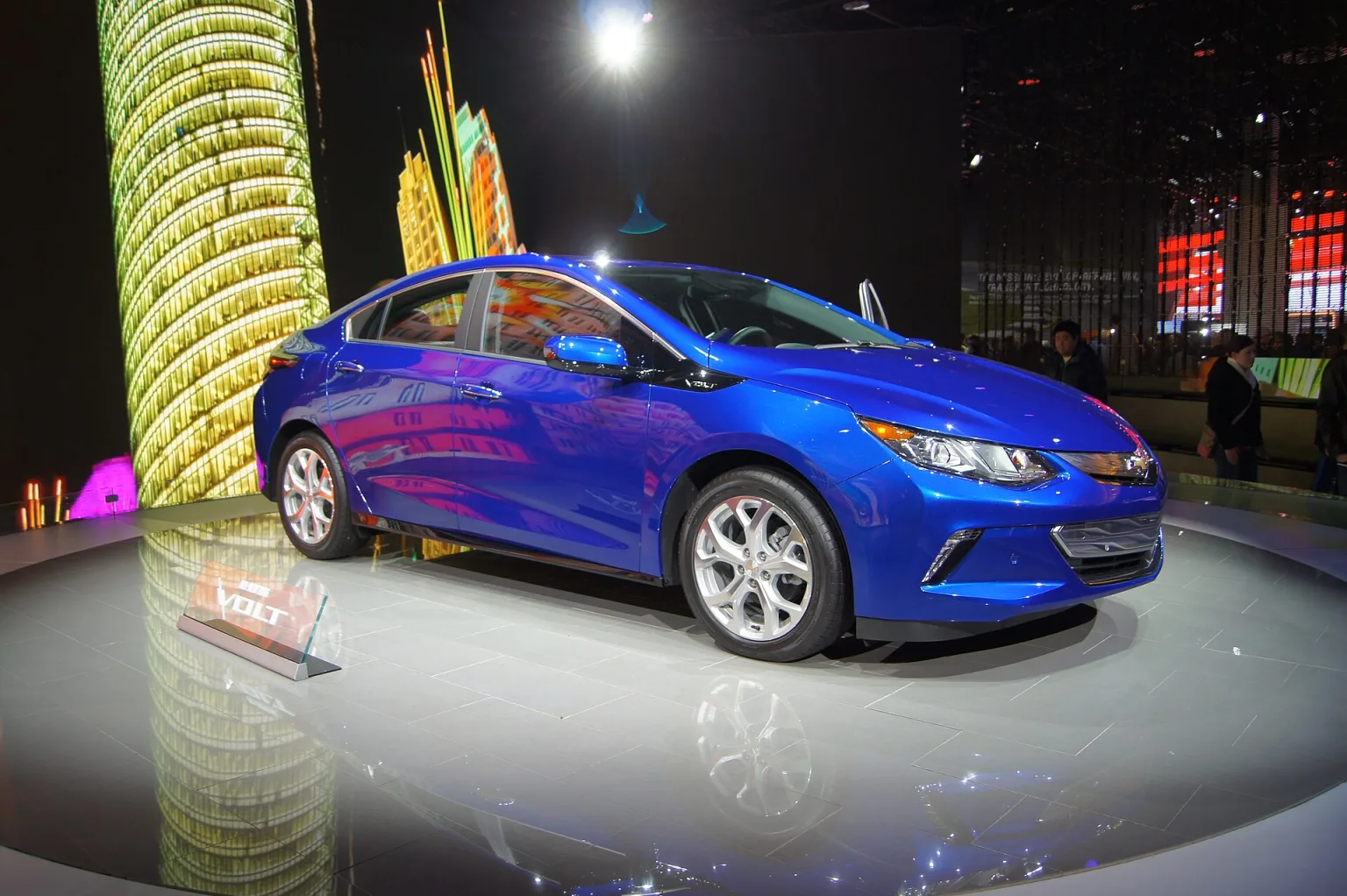
General Motors has signalled it is willing to license the Chevrolet Volt’s hybrid powertrain to other carmakers, offering a route for rivals to accelerate their own electrified vehicle launches without developing a system from scratch.
The Volt’s gasoline-electric setup, which pairs an 18.4kWh lithium-ion battery with a 1.5-litre petrol engine and a two-motor drive unit, has been central to GM’s push into plug-in hybrids. The company claims an all-electric range of up to 50 miles before the petrol engine takes over for longer journeys. While the Volt has won industry recognition for its technology, the cost and complexity of developing such a system remain a barrier for many manufacturers.
Why GM is offering Volt tech to rivals
Dan Nicholson, GM’s global powertrain chief, said the company wants to be a preferred partner for propulsion systems as the industry faces pressure to electrify. For GM, sharing the Volt’s technology could help recoup its investment in hybrid R&D and increase volumes for its components. For other manufacturers, it offers a shortcut to market at a time when hybrid offerings are increasingly expected in mainstream line-ups.
Developing a proprietary hybrid system requires significant investment in batteries, control software and integration. For smaller brands or those late to electrification, licensing a proven system could save both time and money. GM’s offer comes as rivals like Toyota have also signalled willingness to share hybrid technology with competitors.
Potential impact for carmakers and buyers
If GM secures licensing deals, carmakers without their own hybrid powertrains could bring plug-in models to market much faster. This could expand the range of hybrid vehicles available to buyers, particularly from brands that have lagged behind in electrification. For GM, wider adoption of its system could mean lower unit costs and a stronger position in the hybrid supply chain.
No specific partners or timelines have been announced, but the move reflects a growing trend of technology sharing as the industry adapts to stricter emissions targets and changing consumer expectations. Similar approaches have been seen from Toyota, which has also considered licensing its hybrid systems to rivals. For more on Toyota’s strategy, seethis report.



