Toyota considers sharing next-generation hybrid tech with rivals
Toyota is reportedly weighing the sale of its upcoming hybrid powertrain modules to other manufacturers, aiming to accelerate the wider adoption of low-emission vehicles.
Toyota is reportedly considering offering its next-generation hybrid powertrains to rival carmakers, signalling a shift in strategy as the company seeks to accelerate the adoption of electrified vehicles across the industry.
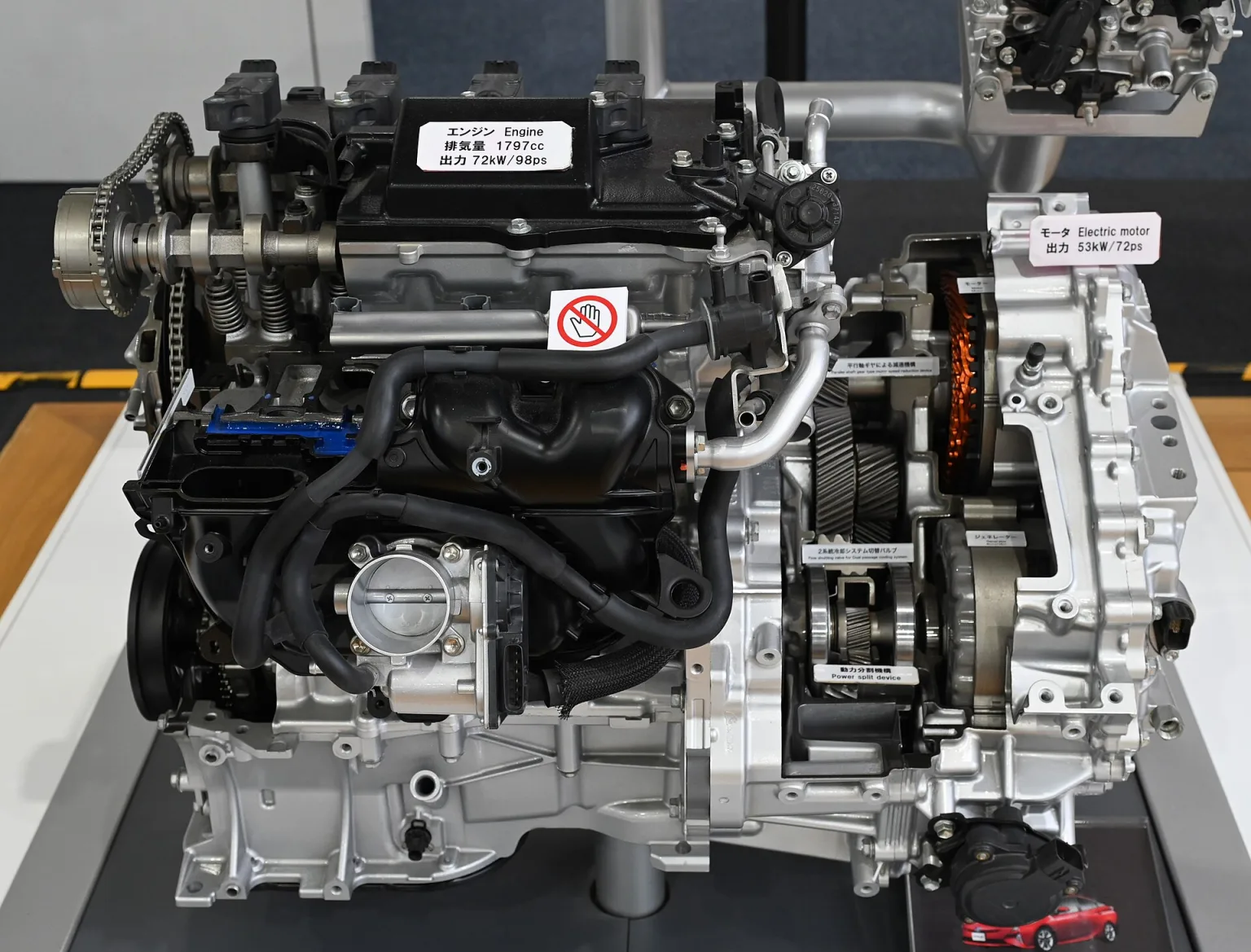
The Japanese manufacturer, which has led hybrid technology development since the late 1990s, is now said to be open to supplying its next-generation hybrid systems as complete modules. This would allow other brands to integrate Toyota's proven technology into their own models, potentially reducing time and cost barriers for companies with less hybrid expertise.
Toyota's latest engineering projects include a new 2.5-litre four-cylinder engine, two new transmissions and a redesigned hybrid system. These components are being developed for the Toyota New Global Architecture (TNGA) platform, already underpinning models such as the current Prius. According to company sources, the new hybrid system is intended to be more versatile than previous iterations, which were tailored specifically for Toyota's own vehicles and offered limited compatibility with other manufacturers' designs.
Compatibility for wider adoption
Yoshifumi Kato, executive director of engineering R&D at Denso, Toyota's largest supplier, has indicated that the new inverter and system architecture have been designed to avoid previous compatibility issues. Earlier hybrid systems used components with unique voltages or fitments that made them impractical for outside use. The new approach aims to enable suppliers to offer entire hybrid modules to third parties, simplifying integration for rival brands.
Toyota is preparing a broad rollout of new powertrain components, including 17 versions of nine engines, 10 variants of four gearboxes and 10 iterations of six hybrid systems. Some of these are likely to be made available to competitors, though the company has not yet confirmed which modules or specified a commercial framework for such deals.
Industry context and next steps
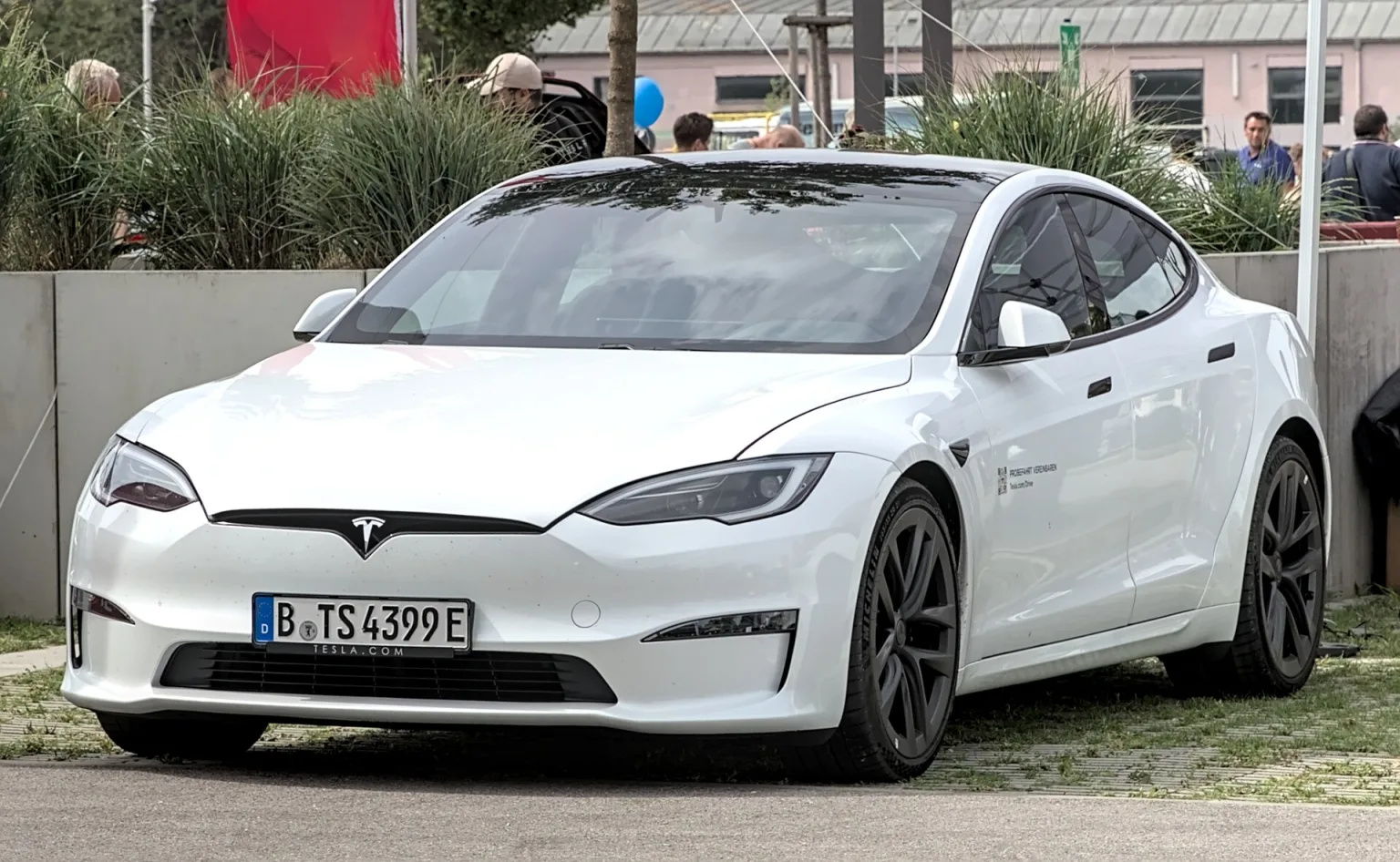
The move echoes Tesla's decision to open its electric vehicle patents to competitors, reflecting a wider industry trend towards collaboration on low-emission technologies. For Toyota, selling hybrid modules could generate new revenue streams while helping to meet tightening global emissions standards. For rival manufacturers, access to Toyota's established hybrid technology could accelerate the development of compliant models without the need to invest heavily in in-house systems.
No official timeline or details of potential supply agreements have been released. Toyota's willingness to share its hybrid powertrains marks a notable departure from its previous policy of keeping such systems in-house, and further developments will be closely watched by the industry.