GM report warns current auto industry model unsustainable
General Motors' 2014 sustainability report states that the automotive industry, as presently structured, cannot continue without fundamental changes to technology, manufacturing and environmental impact.
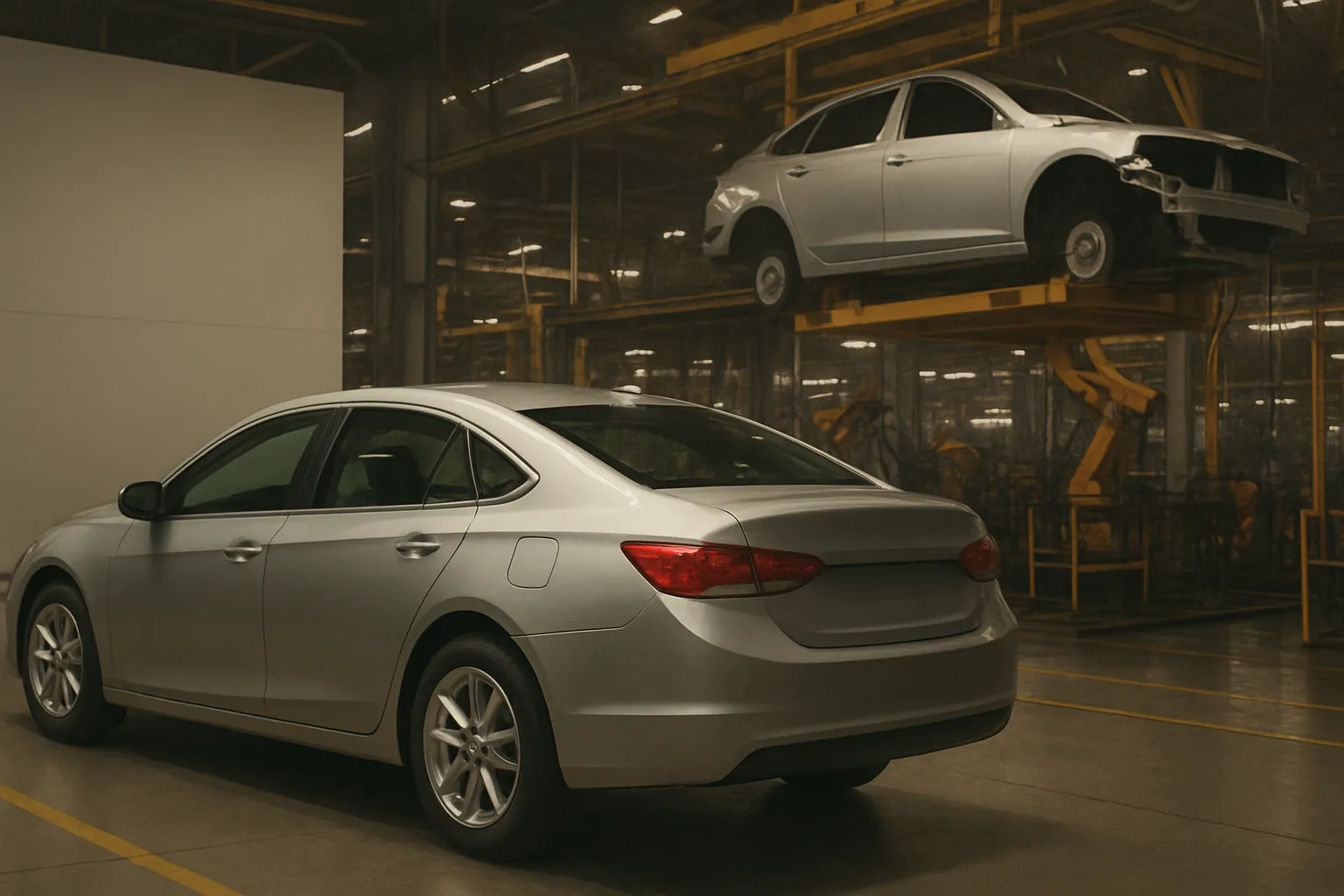
General Motors used its 2014 sustainability report to state that the current structure of the automotive industry is unsustainable, citing the need for fundamental changes across technology, manufacturing, and environmental practices. The report, released in May 2014, set out GM's position that both it and its competitors must overhaul nearly every part of their operations to remain viable in the long term.
The report placed environmental concerns at the centre of the industry's future. GM said climate change, energy security, and urban congestion are now core challenges that cannot be addressed by incremental improvements. The company argued that only a comprehensive rethinking of product design, manufacturing, and supply chains would allow the industry to adapt and survive. This included a shift to cleaner technologies, new approaches to connectivity, and deeper engagement with external partners.
Pressure to address environmental impact
The report acknowledged that public scrutiny over manufacturing practices and emissions had intensified. GM, which faced criticism for past decisions prioritising cost over safety and environmental responsibility, described a new corporate approach. The company said it would prioritise environmental performance alongside safety, quality, and customer care. This was framed as a response not only to regulatory pressure but to changing consumer expectations.
The company also highlighted its willingness to work with environmental groups and non-governmental organisations, including the BlueGreen Alliance, Union of Concerned Scientists, World Wildlife Fund, and Ceres. These partnerships were presented as evidence of a broader cultural shift within GM and a sign that industry change would require cooperation beyond traditional corporate boundaries.
Technical and strategic changes underway
GM's report pointed to several areas of technical development already underway. The company cited its collaboration with Honda on hydrogen fuel cell technology as an example of cross-industry partnership aimed at accelerating cleaner propulsion systems. At the same time, GM was rolling out 4G LTE connectivity in its vehicles through its OnStar subsidiary, reflecting an emphasis on connected car technology as part of the industry's evolution.
- Collaboration with Honda on fuel cell systems.
- Partnerships with environmental organisations.
- Introduction of 4G LTE connectivity via OnStar.
The report made clear that these steps were only the beginning. GM argued that the scale of change required would affect every aspect of the business, from the sourcing of raw materials to end-of-life vehicle recycling. The company did not set out a detailed roadmap but positioned itself as open to 'disruption' and determined to be part of the solution rather than a holdout.
Industry-wide implications
GM's assessment was not limited to its own operations. The report stated that the entire automotive sector faces the same existential challenges. Competitors would also need to adapt, with the pace of change determined by regulatory, market, and environmental pressures. The message was that incremental tweaks would not be enough to secure the industry's future.