Horner Unmoved by Red Bull’s F1 Spending Amid RRA Dispute
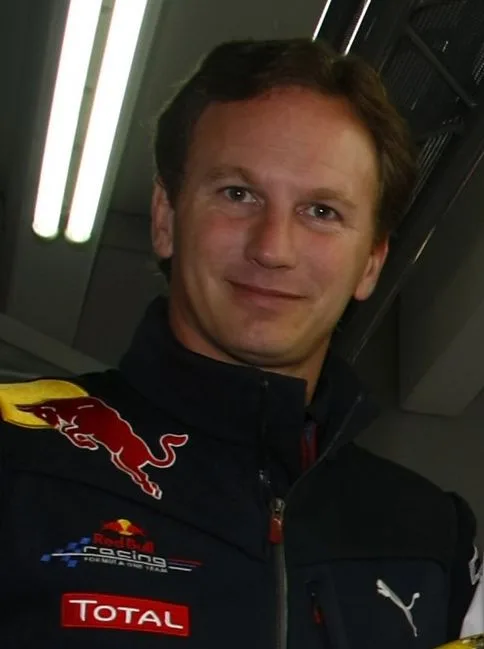
Red Bull Racing team principal Christian Horner says he is “very comfortable” with the team’s Formula One expenditure as rivals question the squad’s refusal to join F1’s cost-cutting agreement.
Christian Horner has defended Red Bull Racing’s approach to Formula One spending, saying he remains “very comfortable” with the team’s financial position as the 2012 season nears its end.
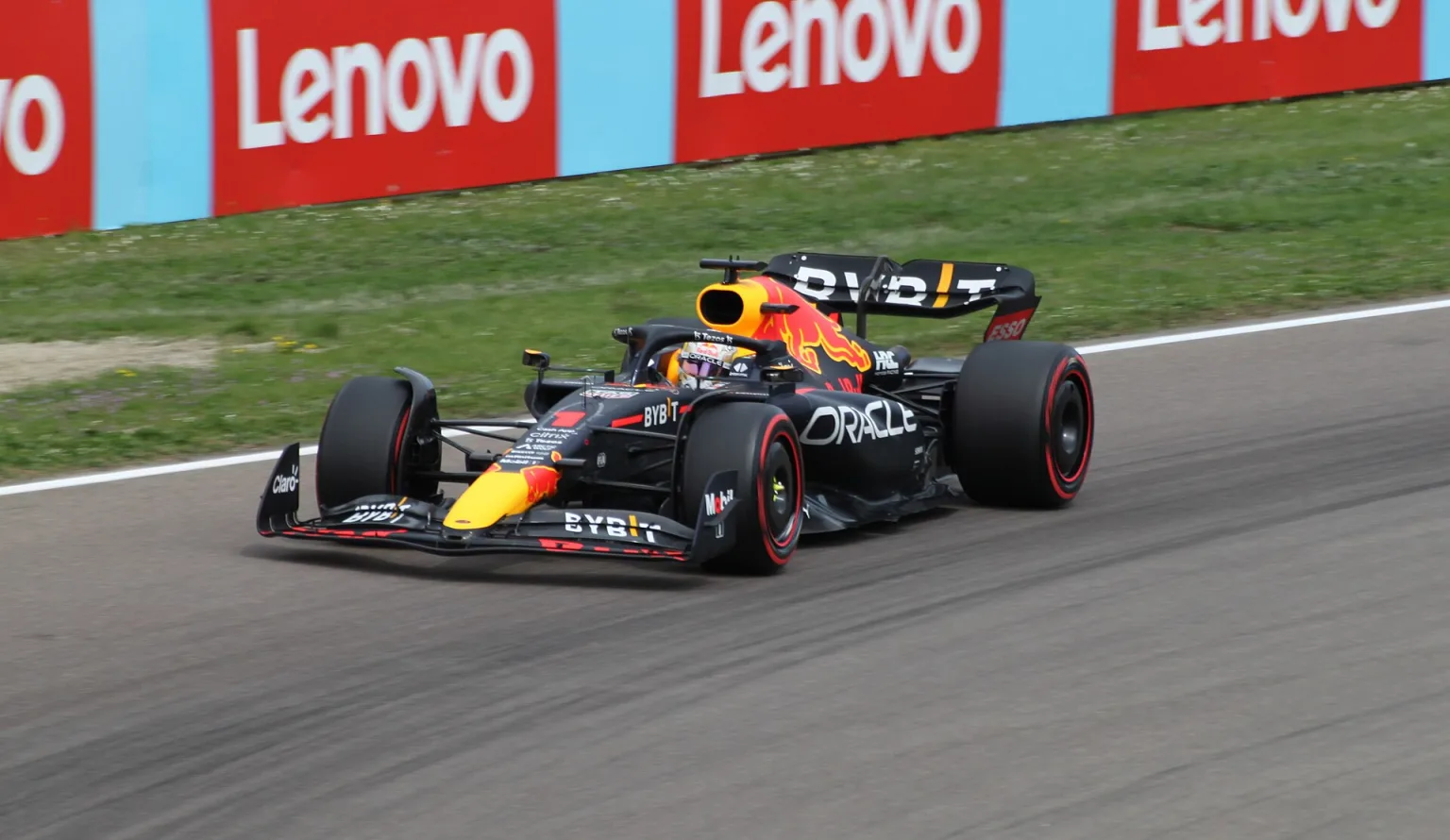
Red Bull, owned by Dietrich Mateschitz’s energy drink company, has drawn attention for operating what is believed to be the largest budget in the paddock. Williams executive Toto Wolff put the figure at around €250 million per season, making Red Bull the sport’s biggest spender as it chases a third consecutive constructors’ title with Sebastian Vettel.
The team’s refusal to sign up to the Resource Restriction Agreement (RRA) has become a flashpoint in the F1 paddock. The RRA is a gentleman’s agreement between teams to limit costs in areas such as personnel, facilities and development. Wolff suggested that Red Bull’s participation would save owner Mateschitz as much as €100 million annually, but implied the team’s competitive edge is linked to its spending freedom.
Horner, speaking as the season heads towards its conclusion, rejected the suggestion that Red Bull’s approach is improper. “We have been very consistent regarding resource constraints, and if that disturbs others, then that’s their problem, not ours,” he said. He maintained that Red Bull’s position on spending has not changed despite pressure from rivals.
Resource Restriction Agreement divides paddock
The RRA was introduced as a voluntary measure to address escalating costs in Formula One, but not all teams have agreed to its terms. While some, like Williams, have pushed for tighter controls to level the playing field, Red Bull has argued that its investment is within the spirit and letter of current regulations.
The debate over spending has wider implications for the sport. Teams with smaller budgets argue that unrestricted spending by rivals distorts competition and increases financial pressure throughout the grid. Red Bull’s stance has drawn criticism, but the team points to its track record and consistency on the issue.
Red Bull’s position and the future of F1 cost controls
With Red Bull leading the 2012 constructors’ standings and Vettel on course for another drivers’ title, the team’s spending power remains under scrutiny. Rival teams and F1’s commercial rights holders continue to discuss more formal cost controls, including the possibility of a binding budget cap in future seasons.
For now, Horner’s position is unchanged. Red Bull will continue to operate at its chosen level of investment, and the team is not expected to alter its stance unless new regulations require it. The debate over spending and cost control is set to remain a central issue as Formula One looks to balance competition and financial sustainability.
- For more on Red Bull’s technical approach and future plans, see
- Red Bull Looks to Nissan for 2013 KERS Collaboration
- and
- Red Bull Rejects Mercedes Power Unit Supply Amid 2014 F1 Tensions
- .