Japanese Carmakers Extend Plant Shutdowns After Earthquake
Production halts continue at Honda, Toyota, Nissan and Mazda as supply chain disruptions and damage assessments deepen, with global manufacturers bracing for knock-on effects.
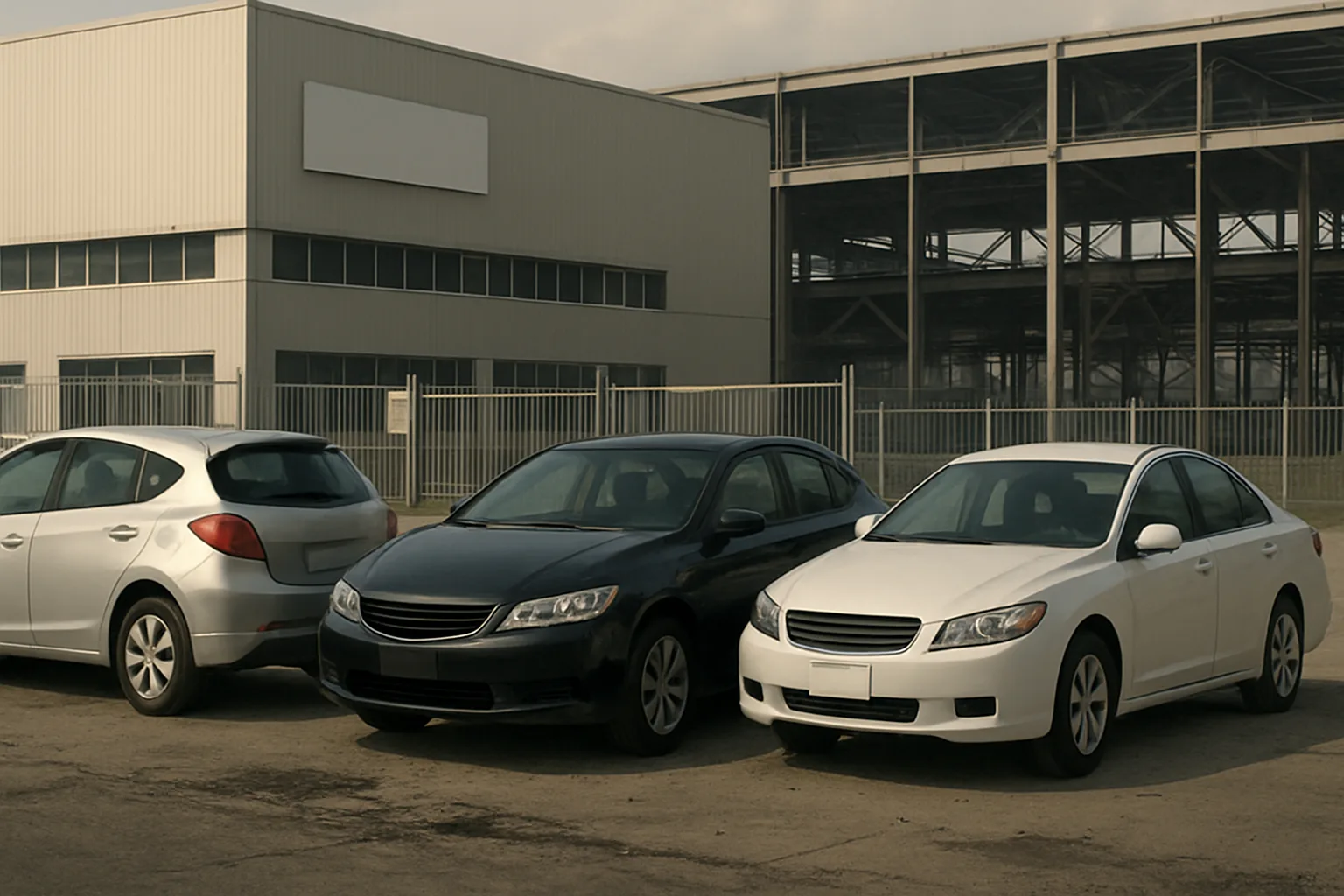
Japanese car production remains heavily disrupted one week after the earthquake and tsunami, with Honda, Toyota, Nissan and Mazda all extending shutdowns into the coming week. Damage to plants, parts shortages and ongoing infrastructure problems are delaying the restart of full operations, while global manufacturers reliant on Japanese components are now warning of possible production cuts outside Japan.
Honda: Fatality at Tochigi, production halted through March 23
Honda has confirmed the death of a 43-year-old R&D associate at its Tochigi facility after a wall collapsed during the earthquake. Seventeen other associates were injured in the same area. The company has extended its production halt at the Sayama and Suzuka car plants, as well as the Kumamoto motorcycle factory, through at least 23 March. Honda says there is no immediate impact on North American operations, as over 80% of Honda and Acura vehicles sold there are built in the region with local parts sourcing.
Toyota: Domestic shutdown, spare parts production resumes
Toyota’s initial production freeze, which was due to end last Tuesday, has now been extended until 22 March. The company has restarted production of spare parts for vehicles already in use, beginning 17 March, to support aftersales needs. The shutdown affects approximately 95,000 vehicles, with 60% intended for export. Toyota’s US inventory remains stable for now, according to its sales unit.
Nissan: Output stopped at three of four Japanese plants
Nissan has stopped output at three of its four Japanese car assembly plants, though its North American production continues as normal. The company says it has a 50-day supply of vehicles in North America or already in transit, including more than 1,500 Nissan Leafs shipped before the earthquake. Nissan is monitoring vehicles made in Japan for any radioactive contamination. The company plans to reassess its supply chain and provide an update on 25 March.
Mazda and Mitsubishi: Partial restarts, limited by inventory
Mazda suspended output at Hiroshima and Hofu from 14 March but will resume temporary production of parts and vehicles using in-process inventory from 22 March. A decision on full-scale resumption is pending. Mitsubishi is operating three plants intermittently, relying on available inventory parts.
Global supply chain faces mounting pressure
The shutdowns are affecting not only Japanese brands but also global manufacturers dependent on Japanese parts. General Motors has halted work at two European factories and will suspend production at its Shreveport, Louisiana plant in the US next week to conserve parts. Volvo has warned that some component inventories are down to a week’s supply, risking output disruptions. Renault’s Samsung Motors unit in South Korea is deferring overtime due to shortages of Japanese-sourced engines and transmissions. Daimler’s Mitsubishi Fuso truck unit is extending its production halt, and BMW is still assessing its exposure to Japanese supply interruptions.
- GM halts two European plants, plans US shutdown next week.
- Volvo warns of component shortages threatening output.
- Renault Samsung Motors defers overtime in Korea due to parts shortages.
- Daimler’s Mitsubishi Fuso extends production halt.
What it means for the supply chain and production outlook
With Japanese factories still largely idle and infrastructure repairs ongoing, the risk of wider supply chain disruption is growing. Automakers outside Japan are monitoring inventories and warning of production cuts if parts supplies are not restored soon. The situation remains fluid, with further updates expected as companies reassess damage and logistics in the days ahead.
For further analysis of the financial outlook for Japanese carmakers following the earthquake, see S&P Lowers Outlook for Six Japanese Carmakers After Earthquake Disruption.