Xirallic pigment plant in Japan restarts after earthquake disruption
Merck’s Onahama facility, the world’s only source of Xirallic paint pigment, has resumed production less than two months after the March 2011 earthquake halted supply to automakers.
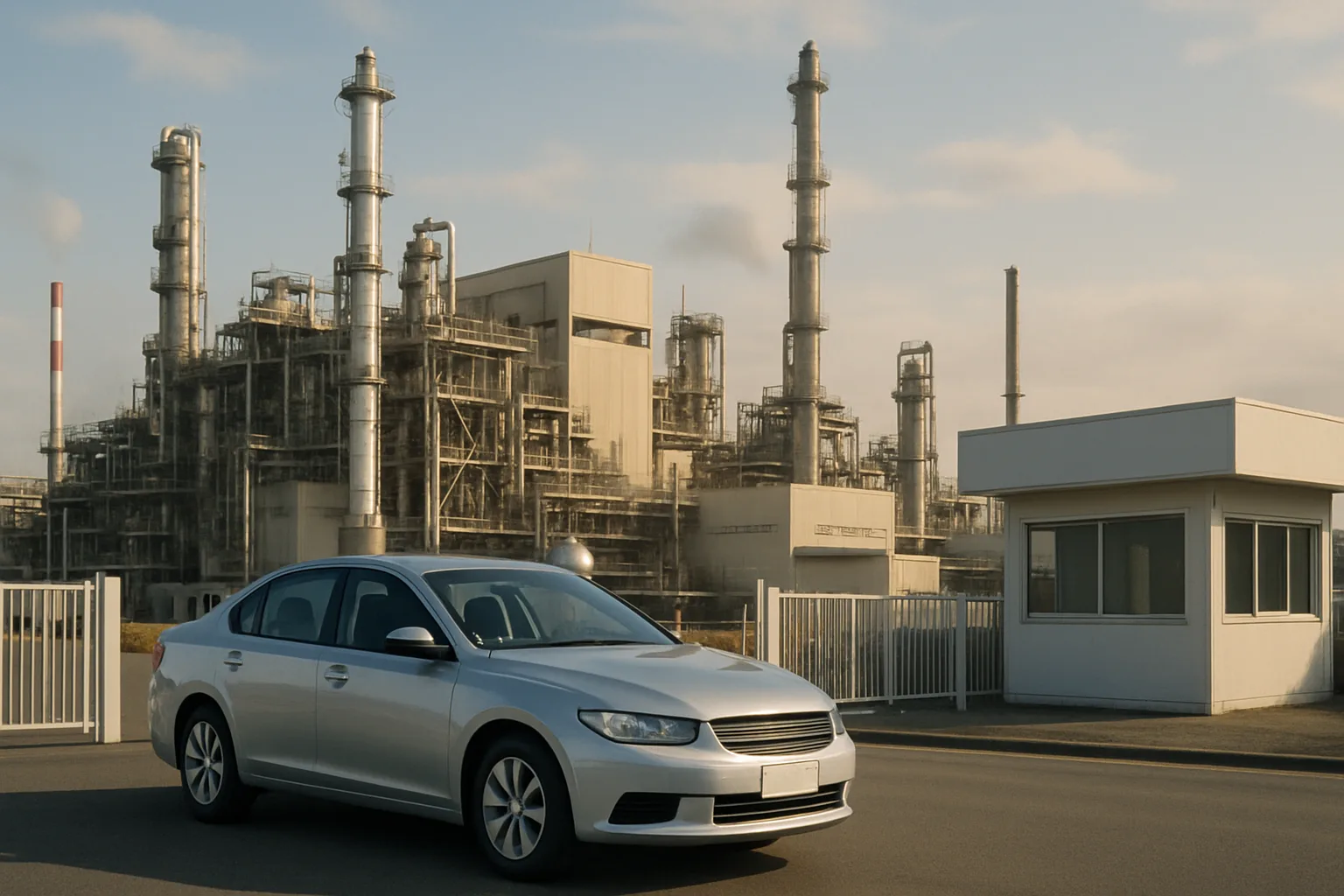
Production of Xirallic paint pigment at Merck’s Onahama plant in Japan has resumed, following a near two-month shutdown caused by the earthquake and tsunami that struck the region in March 2011. The facility, located 36 miles south of the Fukushima nuclear plant, is the sole source of Xirallic, a pigment prized by automotive manufacturers for its metallic, glittering finish. The March 2011 earthquake forced a halt in production, leaving global carmakers scrambling for alternatives and disrupting the automotive paint supply chain.
Resumption of Xirallic Pigment Production in Japan
Repair and Recovery Efforts at Onahama
Repair and recovery work at the Onahama site began on 4 April 2011 and was completed ahead of schedule. Merck announced that the plant is expected to reach normal output levels by June. The swift restoration of the facility was critical for the automotive industry, as Xirallic pigment is not easily substituted and is essential for producing certain metallic and pearlescent paint finishes.
Impact on the Automotive Industry
The shutdown of the Onahama plant had immediate and far-reaching consequences for global automakers. Several manufacturers, including Toyota, Ford, Chrysler and Volkswagen, were forced to limit or temporarily suspend certain paint options on new vehicles. The shortage of Xirallic pigment led to production adjustments, delayed vehicle deliveries, and the removal of popular metallic colours from order books. The unique qualities of Xirallic made it difficult for carmakers to find suitable substitutes, demonstrating a significant vulnerability in the automotive supply chain when reliant on single-source components.
- Toyota, Ford, Chrysler and Volkswagen limited or suspended some paint options.
- Vehicle deliveries were delayed due to the pigment shortage.
- Popular metallic finishes became temporarily unavailable.
The disruption highlighted the risks associated with depending on a single facility for critical materials. Automakers and suppliers were reminded of the need for greater resilience and diversification in their sourcing strategies, especially for specialised components like Xirallic pigment.
Plant Location and Safety Measures
Merck’s Onahama plant is situated outside the Fukushima nuclear evacuation zone, approximately 36 miles to the south of the damaged nuclear facility. The company has stated that it will continue to follow all public directives to ensure the safety of its employees. Additionally, Merck is testing products from the plant to ensure they comply with safety standards before distribution, addressing concerns over potential contamination following the disaster.
Merck’s Plans for Future Supply Security
To reduce the risk of future disruptions, Merck has announced plans to add Xirallic pigment capacity at a second plant in Germany. The company aims to complete this expansion by the end of 2011, which would boost supply reliability from 2012 onwards. By diversifying production sites, Merck intends to provide greater stability for global customers and protect automakers from similar challenges in the future.
- German plant expansion targeted for end of 2011.
- Increased capacity expected to improve supply reliability from 2012.
- Aim is to safeguard the automotive industry from single-source supply risks.
Broader Supply Chain Impact of the Japan Earthquake
The Xirallic pigment shortage was just one of several supply issues faced by the automotive sector after the March 2011 disaster. Japanese manufacturers and global brands with Japanese suppliers experienced widespread parts shortages, factory shutdowns and delays. The earthquake and tsunami exposed the fragility of just-in-time manufacturing models and the global dependence on specialised suppliers in Japan.
- Multiple carmakers extended plant shutdowns due to parts shortages.
- Production slowdowns affected facilities in the US, Canada, and China.
- Delays in vehicle launches and supply of key models, such as the Prius hybrid minivan, occurred as a result of the disaster.
The events of 2011 prompted both suppliers and automakers to re-examine their sourcing and risk management strategies. The experience highlighted the need for contingency planning and the diversification of supply chains to minimise the impact of future disruptions.
Conclusion
The resumption of Xirallic pigment production at Merck’s Onahama plant marks a significant recovery milestone for both the company and the global automotive industry. With plans to expand capacity in Germany, Merck is taking steps to ensure a more secure and reliable supply of this critical pigment in the future. The lessons learned from the 2011 earthquake continue to influence supply chain management and risk mitigation strategies across the automotive sector.