Chinese Lamborghini Replicas Offered for €52,000 with Toyota Power
A Chinese company is selling Lamborghini Murciélago replicas for €52,000, fitting them with 2.2-litre Toyota engines and offering options including original Lamborghini rims.
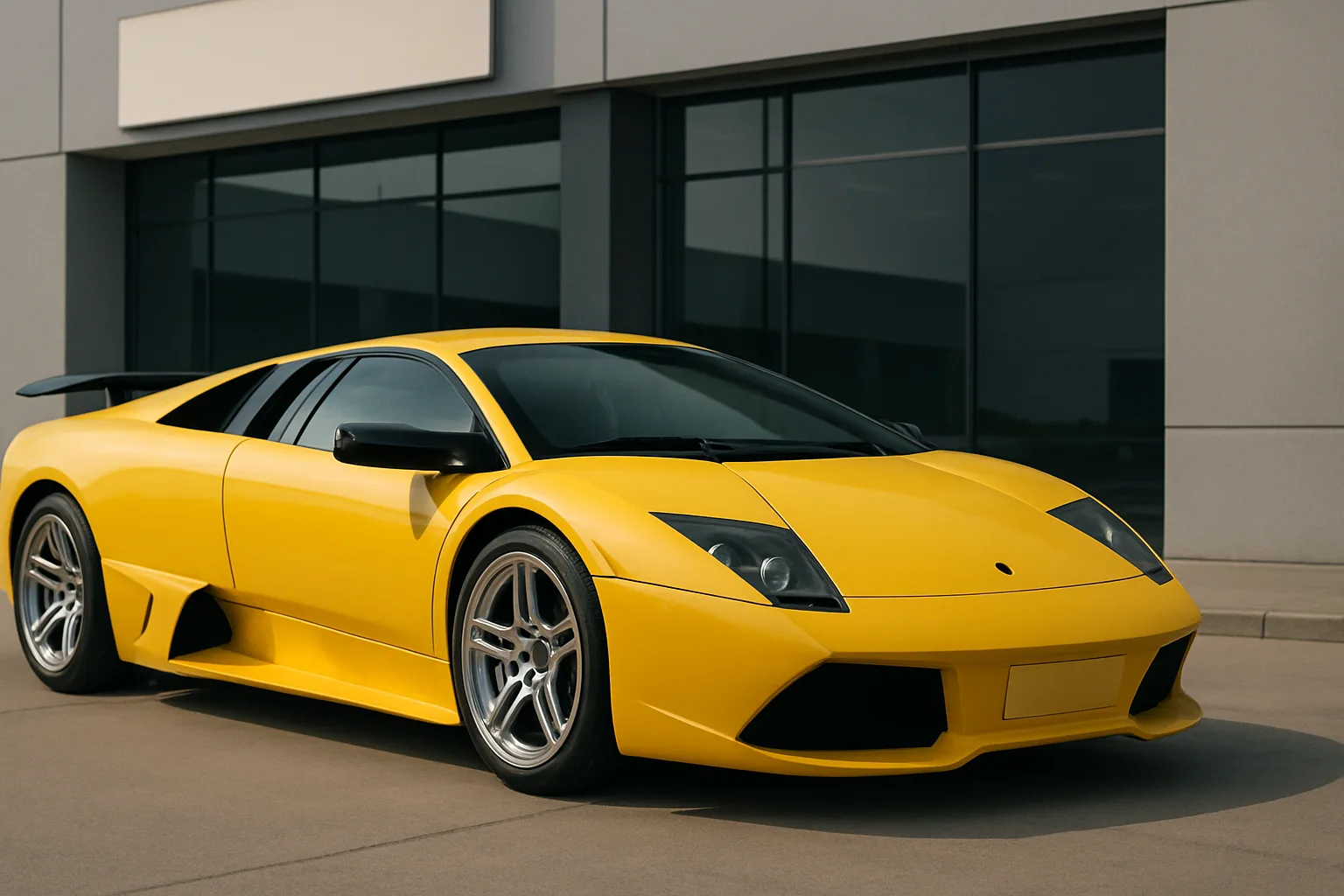
A Chinese manufacturer is selling Lamborghini Murciélago replicas for €52,000, targeting buyers who want the look of an Italian supercar at a fraction of the official price. The replicas, built to resemble the Murciélago with about 95 percent accuracy, are powered by Toyota-sourced 2.2-litre engines rather than the V12 found in the original.
The company behind the replicas claims a five-month waiting period, similar to the lead time for a genuine Murciélago. Despite the visual similarity, performance is far removed from the real car: the Toyota engine delivers 0–100 km/h in around nine seconds and a top speed of 200 km/h, compared to the genuine article’s sub-four-second sprint and over 330 km/h maximum speed.
What buyers get for €52,000
The €52,000 price tag buys a replica with a Toyota four-cylinder engine. The company says it is working on V6 and V8 options, though these were not yet available at the time of reporting. Buyers can pay an extra €6,000 for original Lamborghini alloy rims and €1,100 for an original Lamborghini key, features aimed at boosting the car’s authenticity for those willing to spend more.
The replica’s price is high compared to typical Chinese domestic cars, but still far below the cost of an authentic Murciélago, which could exceed €300,000 in China after taxes and import duties. Demand for these replicas reportedly comes from buyers who want the appearance of a supercar without the associated cost or the risks of theft and damage that come with owning a real Lamborghini.
Legal and brand issues
Lamborghini has not commented directly on the sale of these replicas, but the production and sale of lookalike vehicles raises questions about intellectual property rights and enforcement in China. The company building the replicas has not been named in available reports, and there is no indication that these cars are exported outside China. Similar cases have arisen before, with other high-end models like the Lamborghini Reventón and Bugatti Veyron also being copied for local buyers.
For buyers, the appeal is largely about image. While the replica’s performance falls well short of the real thing, the exterior is convincing enough to attract attention. The company’s offer of original parts at extra cost suggests some customers want to get as close as possible to the genuine article, even if only on the surface.
Replica supercars in China’s market
The sale of replica supercars in China reflects a wider trend, with demand driven by high import taxes and a growing appetite for luxury brands. As the number of wealthy buyers fluctuates, some are turning to replicas as an alternative to official imports. The five-month waiting list suggests that despite the compromises, there is no shortage of interest in these imitation Lamborghinis.