Final Dodge Viper leaves Conner Avenue plant as production ends
The last Dodge Viper, a bespoke SRT10 Coupe, has rolled off the Detroit line, bringing nearly two decades of production at Conner Avenue Assembly to a close.
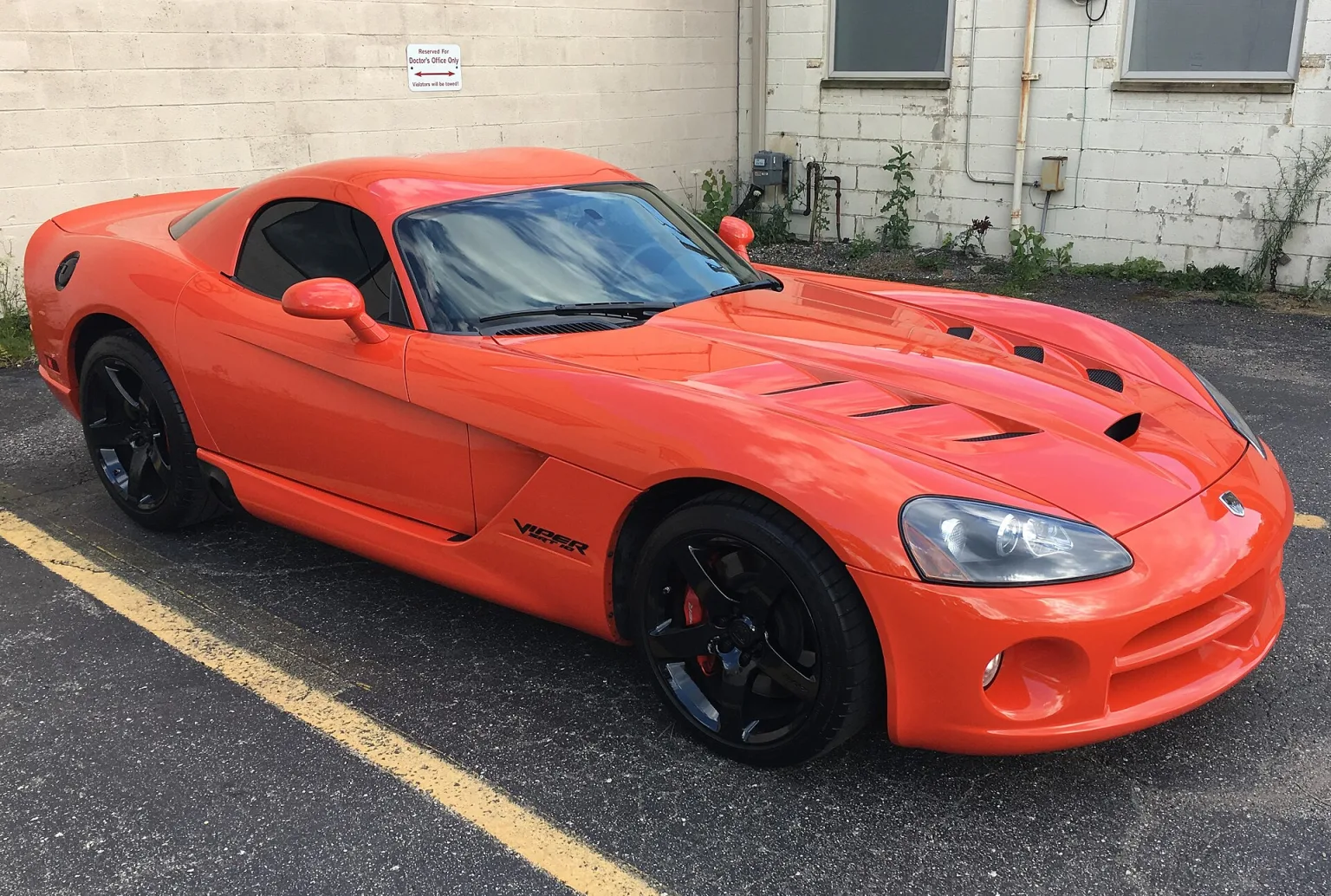
The last Dodge Viper has left the Conner Avenue Assembly plant in Detroit, closing a chapter on one of America’s most recognisable supercars. The final car, a 2010 SRT10 Coupe, features a unique paint scheme created with input from Wayne and D’Ann Rauh, who own the world’s largest Viper collection.
Production of the Viper at Conner Avenue began in 1992. Over nearly 18 years, the plant became synonymous with hand-built American performance, with workers assembling each car in limited numbers. The end of production follows Chrysler’s restructuring and its 2009 merger with Fiat, which led to a review of the company’s sports car strategy.
Chrysler said the 88 employees at Conner Avenue would be redeployed to other facilities rather than laid off, as the plant moves to idle status. The Viper’s absence from the line-up is officially a hiatus, with company executives at the time leaving open the possibility of a future return, potentially with input from Fiat’s engineering teams.
A bespoke send-off for the last Viper
The last Viper’s specification was tailored for the Rauh family of Texas, who had amassed over 40 Vipers by 2010. The SRT10 Coupe’s one-off paintwork was developed in collaboration with Dodge’s design team, ensuring the final car would stand out even among the rarest examples. The Rauhs’ involvement underlines the strong community of dedicated Viper owners who supported the model throughout its run.
Hiatus and future prospects
Chrysler’s announcement in 2010 described the Viper’s end as a two-year break, with the possibility of a new model after further development. The company’s merger with Fiat brought speculation about how future Vipers might combine American V8 performance with European engineering expertise. No details of a successor had been finalised at the time production ceased.
The closure of Conner Avenue for Viper production marks the end of an era for Dodge’s flagship sports car. While the Viper’s future remained uncertain in 2010, its legacy as a hand-built American supercar was already secure among enthusiasts and collectors.
What it means for workers and collectors
For the 88 workers at Conner Avenue, Chrysler’s redeployment plan avoided immediate redundancies. For collectors, the final SRT10 Coupe instantly became a sought-after piece of Viper history, especially given its unique specification and connection to the Rauh collection.