Marko says Red Bull's engine struggle could spark F1 change
Helmut Marko claims Mercedes and Ferrari refused Red Bull engines for 2016 out of fear, hoping the team's 'martyrdom' will push the FIA to reform power unit supply rules.
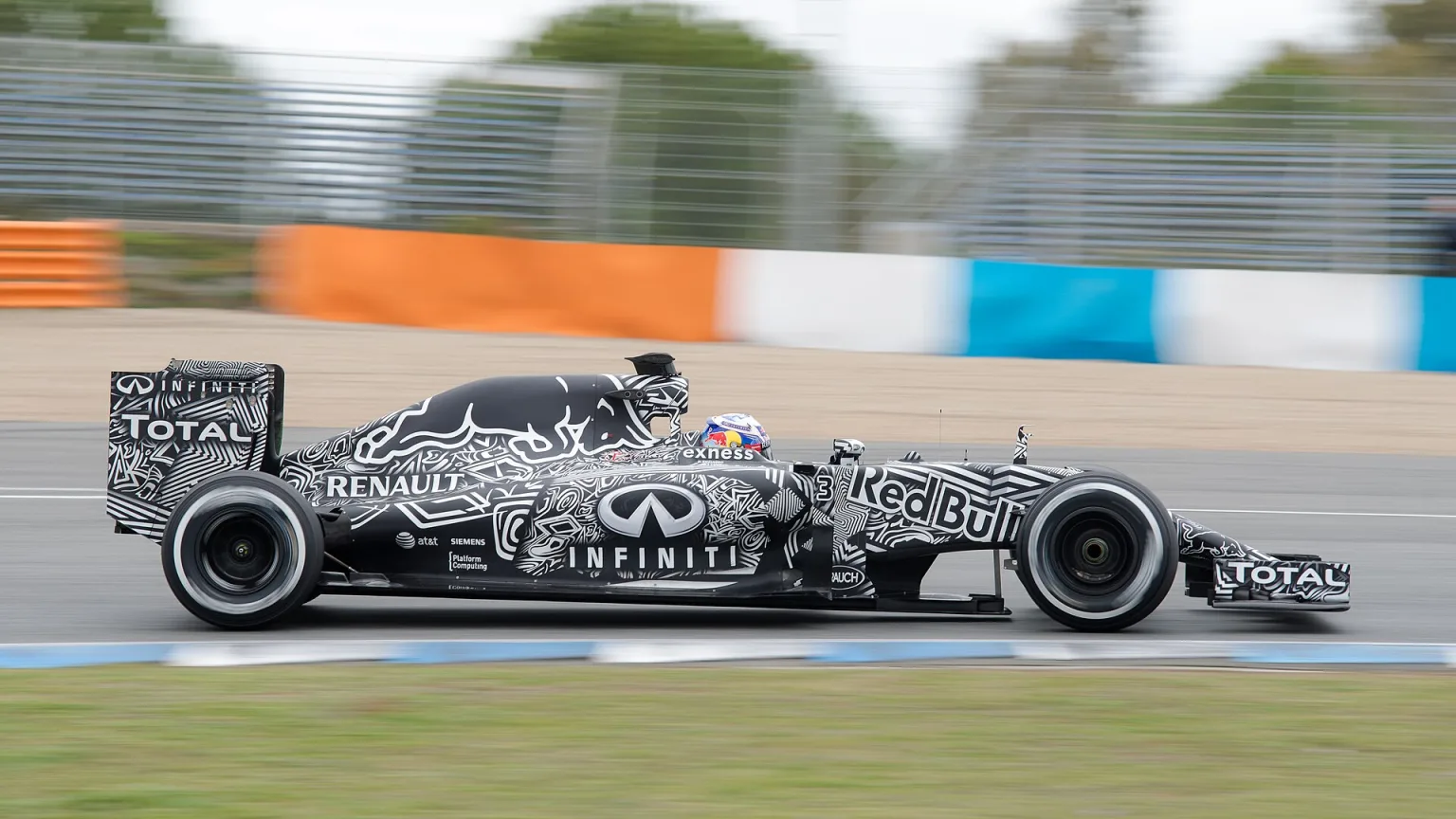
Red Bull adviser Helmut Marko has said he is “somewhat proud” that Mercedes, Ferrari and Honda all refused to supply engines for the 2016 Formula One season, arguing that their reluctance stemmed from fear of Red Bull’s chassis performance. Marko hopes the situation will prompt the FIA to rethink how engine supply is controlled in the sport.
According to Marko, Mercedes’ decision followed a detailed analysis of Red Bull’s car. “At the Hungarian Grand Prix, it is easiest to know the power numbers of your rivals,” he told Austria’s Servus TV. “And Mercedes found that our chassis is better. This strengthened the front against us even more, and therefore there was no deal.”
Red Bull had been seeking a new power unit supplier after a public breakdown in relations with Renault, whose turbo hybrid engines had lagged behind Mercedes and Ferrari since the 2014 regulations overhaul. Both Mercedes and Ferrari ultimately declined to supply Red Bull, while Honda was not considered a viable option. As a result, Red Bull was left with little choice but to continue with Renault power for 2016.
Marko sees wider implications for F1
Marko said the episode exposed a structural problem in Formula One: manufacturers can decide who gets a competitive engine, which can freeze out rivals and distort competition. He described Red Bull’s predicament as “martyrdom” and expressed hope that it would encourage the FIA to intervene. “Hopefully, our martyrdom is the impetus for a better future in F1,” Marko said.
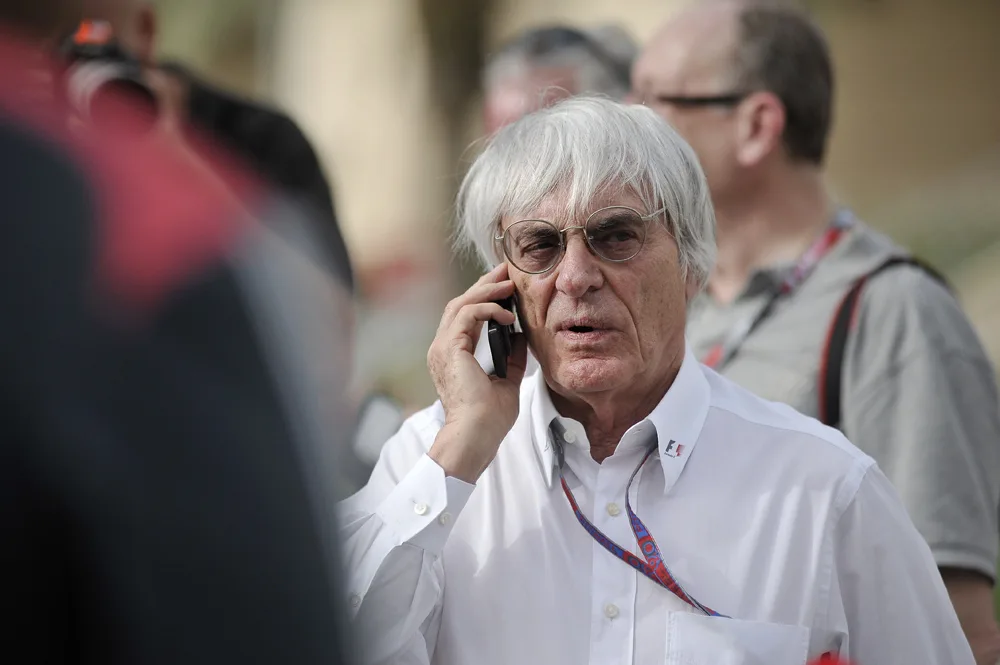
The FIA has since acknowledged concerns about engine supply and has given Bernie Ecclestone and Jean Todt a mandate to address the issue, though no specific regulatory change had been announced by the end of 2015. The matter has prompted debate about whether manufacturers should be compelled to supply customer teams and under what terms.
Mercedes and Ferrari defend their decisions
Mercedes’ Toto Wolff rejected the idea that Red Bull had been unfairly blocked, pointing out that Red Bull still had access to a Renault engine. “Red Bull has an engine, a Renault, so what are we talking about?” he told Auto Motor und Sport. Wolff said Mercedes and Ferrari had their reasons for declining, but denied that fear of Red Bull was behind the decision.
Wolff also argued that Red Bull’s focus on chassis development, supported by a large budget, did not entitle the team to demand the best engine from a rival. He suggested that the relationship between teams and their engine suppliers is complex, especially when a customer becomes a direct threat to the works team.
The dispute over engine supply has drawn attention to the balance of power between manufacturers and independent teams. As Red Bull prepares for another season with Renault, the outcome of the FIA’s review could shape the competitive structure of Formula One in the years ahead. For more context on Red Bull’s engine supply negotiations, see Ferrari Signals Openness to Supplying Engines to Red Bull.