Mercedes and Bosch target urban self-driving car-sharing by 2020s
Mercedes-Benz and Bosch have announced a partnership to develop fully autonomous vehicles for city car-sharing and taxi services, aiming for production readiness by the early 2020s.
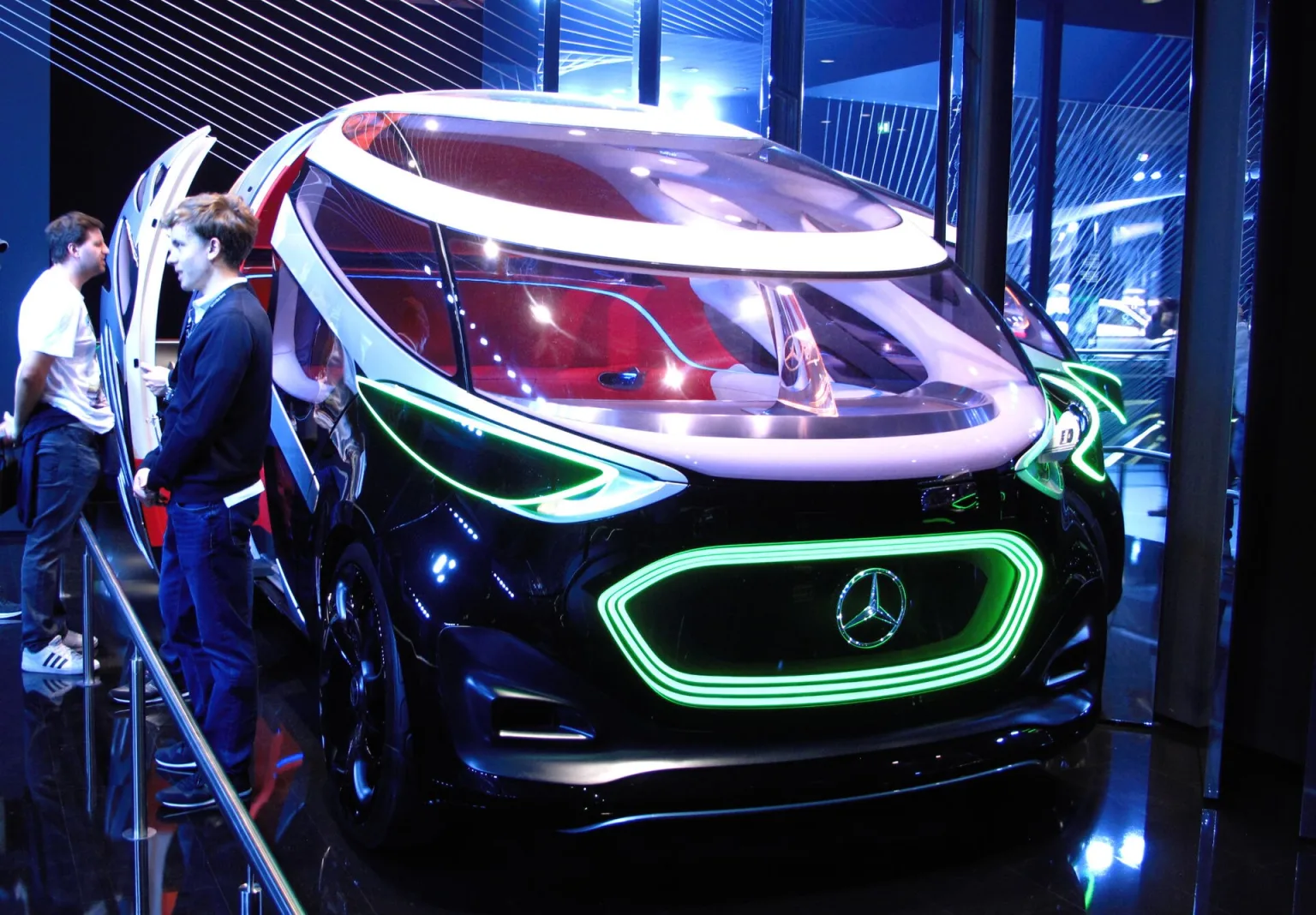
Mercedes-Benz and Bosch have confirmed a joint effort to develop fully automated and driverless vehicles for urban car-sharing and taxi services, with the aim of bringing production-ready autonomous vehicles to city streets by the start of the next decade.
The two German companies are working on both SAE Level 4 (highly automated) and Level 5 (fully driverless) systems. Their stated goal is to enable cars to operate without human intervention in complex urban environments, and to make these vehicles available for public use via on-demand services rather than private ownership.
How the partnership works
Mercedes-Benz brings its experience as a premium vehicle manufacturer and established presence in taxi and fleet services. Bosch contributes its expertise in automotive hardware and software, including sensors, control units and system integration. The project aims to create a driving system that can be industrialised for city use, with the intention that customers will summon vehicles via a smartphone app.
The approach is designed for dense urban areas where car ownership is declining and demand for flexible mobility is rising. By focusing on shared vehicles, Mercedes and Bosch hope to address congestion, parking shortages and emissions, while also positioning themselves in the emerging market for autonomous mobility services.
Urban mobility and the competition
- Google's Waymo: operating autonomous taxi pilots in US cities
- Baidu: targeting autonomous car launch in China
- Toyota: testing EV car-sharing in Europe
What it means for city transport
If the Mercedes and Bosch project delivers on its timeline, city dwellers could see fleets of self-driving cars available for hire by the early 2020s. The companies are betting that shared, autonomous vehicles will become a core part of urban transport, reducing the need for private cars and changing the way people move around cities.