Mercedes-Benz Citaro FuelCELL Hybrid Buses Begin Swiss Public Service
Five Mercedes-Benz Citaro FuelCELL Hybrid buses entered regular operation with PostAuto in Brugg, Switzerland in 2011, marking the country’s first hydrogen-powered public transport trial.
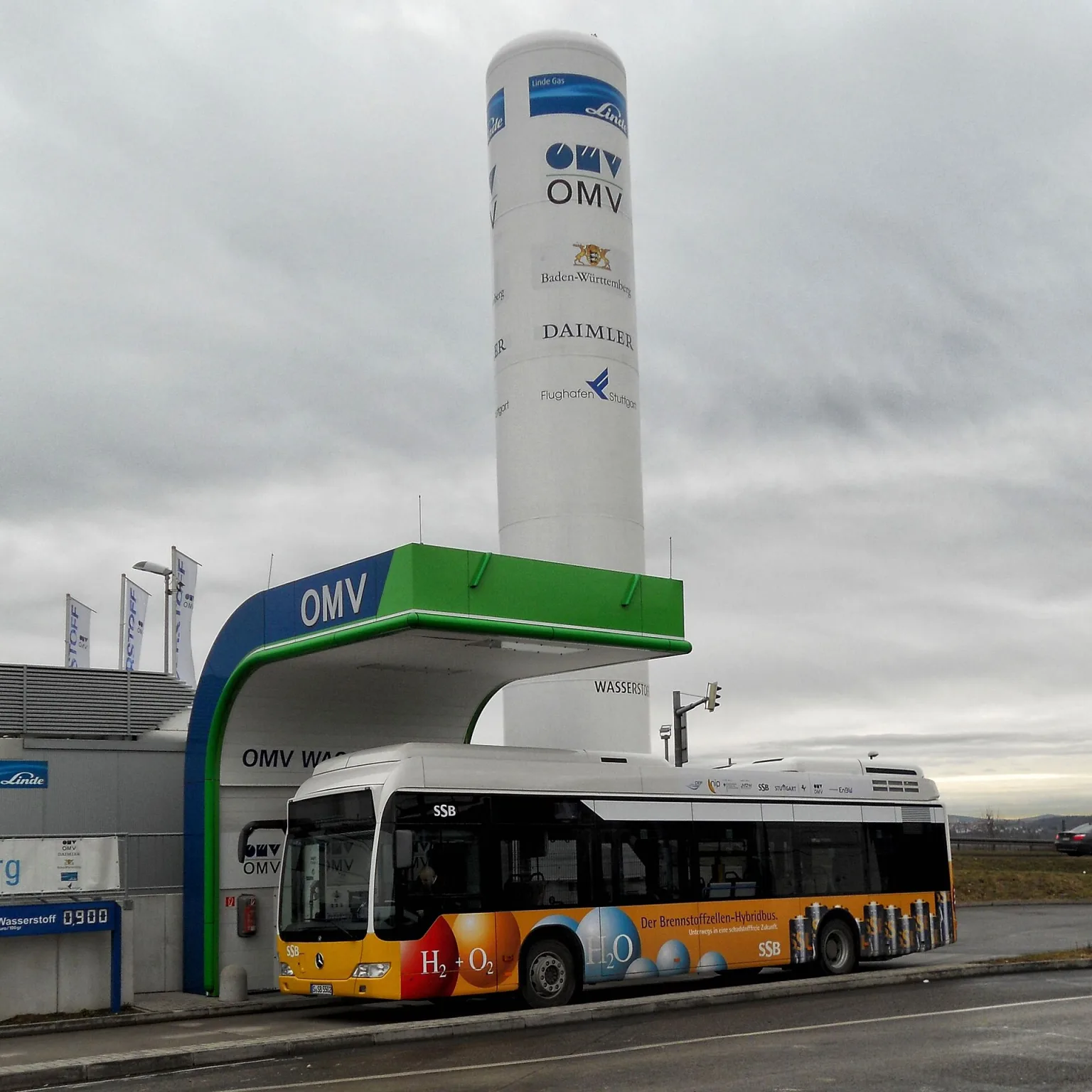
Five Mercedes-Benz Citaro FuelCELL Hybrid buses began operating on public routes in and around Brugg, Switzerland in 2011, operated by PostAuto Schweiz AG. This marked the first time a Swiss transport company put fuel-cell technology into regular public road service, starting a five-year trial of hydrogen-powered buses in daily operation.
The deployment is part of a demonstration project to test hydrogen as a clean fuel for public transport. PostAuto committed to using these buses for five years, gathering operational data and experience with the new-generation fuel cell drive.
Technical features of the Citaro FuelCELL Hybrid
The Citaro FuelCELL Hybrid is based on the standard Mercedes-Benz Citaro, with the hydrogen and fuel cell hardware integrated on the roof. Passenger capacity is unchanged compared to the conventional diesel model, ensuring no compromise for operators or users.
| Hydrogen storage | 35 kg |
|---|---|
| Range | 240 km (150 miles) |
| Electric motor output | 120 kW |
| Energy storage | Lithium-ion batteries |
| Passenger capacity | Same as standard Citaro |
| Fuel cell service life | 5 years (claimed) |
The buses use powerful electric motors mounted in the wheel hubs, providing a total output of 120 kW. The hybrid system allows for energy recovery during braking, with surplus energy stored in lithium-ion batteries. Electrified power take-off units and an updated fuel cell stack, claimed to last five years in service, support the drivetrain.
Efficiency and emissions
According to Mercedes-Benz, the FuelCELL Hybrid is 50% more efficient than the previous generation and produces zero tailpipe emissions. The absence of engine noise and local pollutants makes the buses suitable for urban and congested areas, addressing both air quality and noise concerns in public transport.
The Citaro FuelCELL Hybrid was first introduced in Hamburg in late 2009 before arriving in Switzerland. The Brugg project is intended to provide real-world data on durability, efficiency and operational costs of hydrogen buses in a typical European public transport setting.
Implications for Swiss public transport
For PostAuto, the programme allows the company to evaluate the practicalities of hydrogen refuelling, maintenance and daily operation. The buses’ ability to match conventional Citaros for passenger capacity and range is central to their potential as a diesel alternative. The trial is also expected to inform future procurement and infrastructure decisions for Swiss public transport operators considering zero-emissions fleets.
The Swiss trial forms part of broader European efforts to commercialise hydrogen mobility. While the technology remains costly and dependent on refuelling infrastructure, projects like Brugg’s provide manufacturers and operators with the operational experience needed to progress beyond demonstration fleets.