Mercedes-Benz CLA Adds Renault 1.5L dCi Diesel to Engine Line-Up
The Mercedes-Benz CLA receives the Renault-Nissan 1.5-litre dCi diesel, badged CLA180 CDI, joining the A-Class and B-Class in sharing this engine as of autumn 2013.
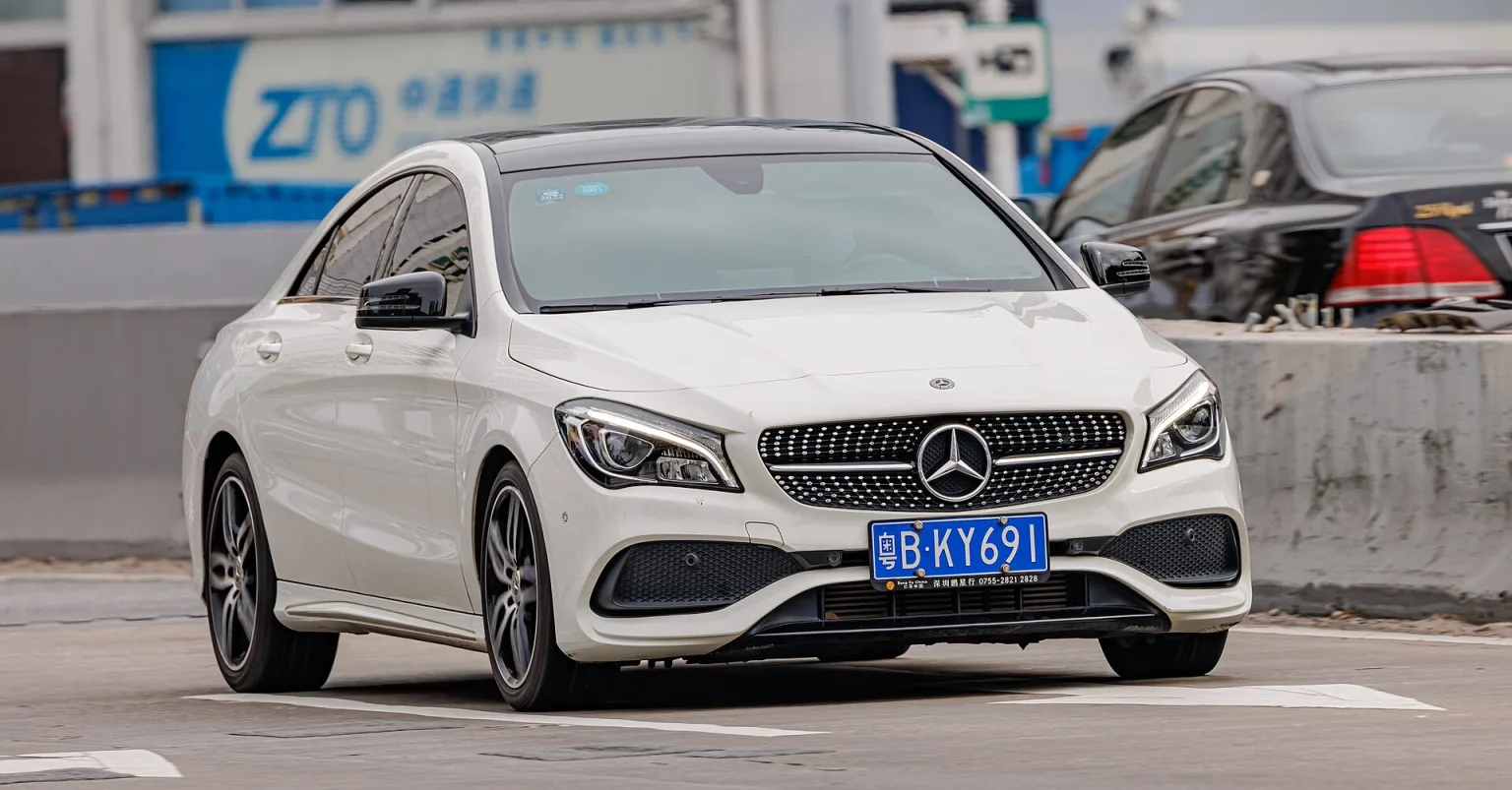
Mercedes-Benz has expanded its CLA four-door coupe range by introducing the Renault-Nissan 1.5-litre dCi diesel engine. This move marks a significant development in the ongoing technical partnership between Daimler (the parent company of Mercedes-Benz) and the Renault-Nissan Alliance, reflecting a wider industry trend towards collaboration and efficiency. The new engine option, known as the CLA180 CDI, is aimed at buyers seeking a more economical diesel alternative in the premium compact segment.
The addition of the 1.5-litre dCi diesel engine to the CLA follows its earlier use in the Mercedes-Benz A-Class and B-Class, both of which share their platform with the CLA. Deliveries for the CLA180 CDI began in autumn 2013, bringing a new level of fuel efficiency to the CLA line-up and further strengthening the ties between Mercedes-Benz and its alliance partners.
Background: Engine Sharing and the Renault-Nissan Alliance
The collaboration between Daimler and the Renault-Nissan Alliance began in 2010, with the goal of sharing technology, reducing development costs, and improving efficiency for both groups. The 1.5-litre dCi diesel engine, already a mainstay in Renault and Nissan vehicles, was first introduced to Mercedes-Benz models with the A-Class and B-Class. These models, like the CLA, use a front-wheel-drive platform that allows for shared powertrains and components.
By incorporating the dCi engine into the CLA, Mercedes-Benz aimed to offer a more economical diesel option below its existing 2.1-litre diesel units. This was designed to appeal to buyers who prioritise lower running costs and improved fuel efficiency, especially in markets where diesel engines are favoured for their economy and longevity.
CLA180 CDI: Engine and Performance Details
The CLA180 CDI is powered by a 1.5-litre four-cylinder turbocharged diesel engine sourced from the Renault-Nissan Alliance. This engine produces 109hp and 260Nm of torque, providing a balance between performance and efficiency. According to Mercedes-Benz, the CLA180 CDI accelerates from 0 to 100km/h in 11.6 seconds and reaches a top speed of 205km/h. While not the fastest in its class, these figures are competitive for an entry-level diesel coupe.
| Engine | 1.5-litre dCi (Renault-Nissan Alliance) |
|---|---|
| Power | 109hp |
| Torque | 260Nm |
| 0–100km/h | 11.6 seconds |
| Top speed | 205km/h |
| Combined fuel consumption | 3.9 litres/100km |
Fuel consumption is a central selling point for the CLA180 CDI. With a claimed combined cycle consumption of just 3.9 litres per 100km, it stands as the most economical diesel in the CLA range at launch. The engine’s reputation for reliability, established through its use in Renault and Nissan vehicles, was a further factor in its selection for the CLA. However, specific CO2 emissions figures were not provided in the initial announcement.
Platform Sharing and Technical Partnership
The adoption of the 1.5 dCi engine in the CLA is a clear example of platform and component sharing within the Daimler and Renault-Nissan Alliance. The CLA, A-Class, and B-Class all use the same front-wheel-drive architecture, which simplifies the integration of shared powertrains. This approach allows Mercedes-Benz to reduce fleet emissions and improve fuel economy, both of which are increasingly important in meeting European regulatory requirements.
The technical partnership extends beyond engines, covering joint development of other vehicle components and even entire models. For buyers, the most visible aspect of this collaboration is the presence of the 1.5 dCi engine in several Mercedes-Benz compact models. While some traditional Mercedes-Benz customers may question the use of a non-German engine in a premium saloon, this strategy reflects broader trends in the automotive industry, where efficiency and cost-sharing are increasingly prioritised.
Implications for Buyers and the Market
For prospective buyers, the CLA180 CDI introduces a lower-cost diesel option to the CLA range, targeting those who value fuel efficiency and reduced running costs. The widespread use of the 1.5 dCi engine in Renault and Nissan models ensures an established service network and good parts availability throughout Europe, which may further reduce long-term ownership costs. Although pricing for the CLA180 CDI was not announced at launch, it was expected to be positioned below the larger diesel variants, making it a more accessible entry point to the CLA range.
The decision to use the Renault-Nissan engine also reflects increasing regulatory and market pressures to reduce emissions and improve efficiency. In many European countries, tax bands and running costs are significant factors in car purchasing decisions, particularly in the premium compact segment. By offering a small-capacity diesel, Mercedes-Benz aimed to compete more directly with rivals that already provided economical diesel options in their line-ups.
Market Context and Competitor Strategies
The introduction of the 1.5 dCi engine in the CLA reflects broader trends in the premium car market during the early 2010s. Manufacturers such as BMW and Audi were also exploring engine downsizing and platform sharing to meet stricter emissions regulations and respond to changing consumer preferences. Mercedes-Benz’s collaboration with Renault-Nissan allowed it to quickly introduce a competitive diesel engine without incurring the high costs and long development times associated with developing a new powertrain from scratch.
This move also enabled Mercedes-Benz to target markets where small diesel engines are particularly popular, such as France, Italy, and Spain. In these countries, buyers often prioritise fuel economy and low emissions due to taxation policies and high fuel prices. By offering the CLA180 CDI, Mercedes-Benz positioned itself to attract cost-conscious customers who might otherwise have considered rival models from Audi or BMW with similar engine options.
CLA Range and Future Developments
At launch, the CLA180 CDI joined a range that already included several petrol and larger 2.1-litre diesel options. The addition of the 1.5 dCi engine provided a more affordable and efficient entry point, broadening the CLA’s appeal. This strategy mirrored similar moves by other premium brands, where engine sharing and the introduction of downsized powertrains were becoming increasingly common.
Mercedes-Benz continued to expand its use of alliance engines in subsequent years, with further applications in compact models such as the GLA crossover. The CLA180 CDI’s introduction also signalled Mercedes-Benz’s willingness to embrace new approaches to remain competitive in a shifting automotive landscape. As emissions standards tightened and consumer demand shifted towards more efficient vehicles, partnerships like that between Daimler and Renault-Nissan became essential for maintaining market share and profitability.
- Renault-Nissan 1.5 dCi also used in A-Class and B-Class
- CLA180 CDI targeted at buyers seeking lower fuel costs
- No official price at launch, but expected below larger diesels
Conclusion: A Strategic Step for Mercedes-Benz
The introduction of the Renault-Nissan 1.5-litre dCi engine to the Mercedes-Benz CLA range marked a significant milestone in the collaboration between two major automotive groups. By offering the CLA180 CDI, Mercedes-Benz provided customers with a more affordable and economical diesel option, broadening the model’s appeal. The move also reflected wider trends in the industry, as manufacturers sought to balance performance, efficiency, and regulatory compliance through technical partnerships and platform sharing. For buyers, the CLA180 CDI offered the prestige of a Mercedes-Benz badge combined with the proven efficiency and reliability of the Renault-Nissan diesel engine, making it a noteworthy addition to the premium compact segment.