Mercedes-Benz Sprinter gains BlueEFFICIENCY tech for lower emissions and fuel use
The Sprinter van receives a new generation of diesel engines, an ECO Gear six-speed manual and start/stop technology as part of Mercedes-Benz’s BlueEFFICIENCY rollout in late 2009.
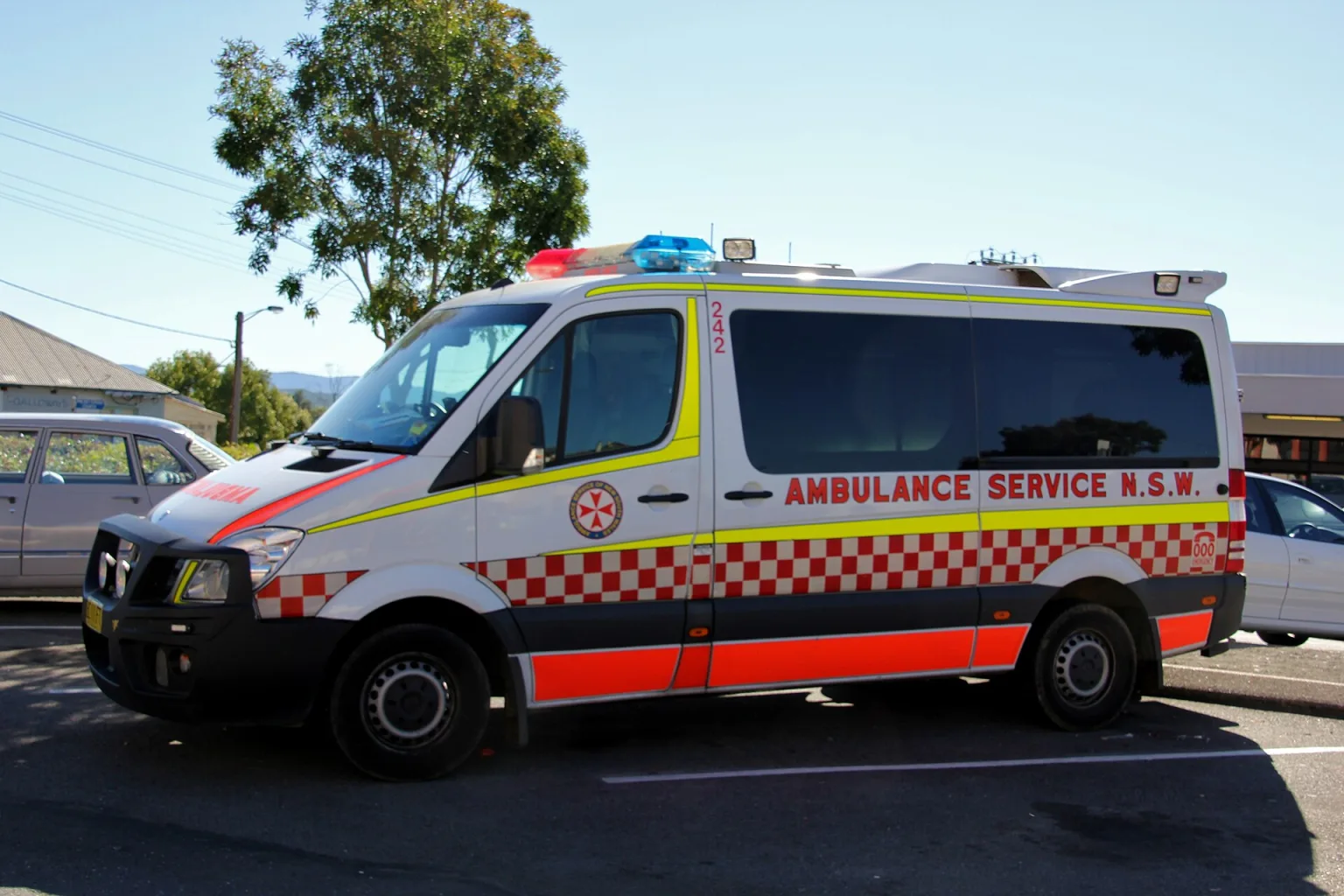
Mercedes-Benz began offering its Sprinter van with BlueEFFICIENCY technologies from October 2009, targeting lower fuel consumption and emissions in the large van segment. The new efficiency package, available to order from launch, introduced a revised engine range, an updated manual transmission and a suite of energy-saving features.
New four-cylinder diesel engine and transmission
At the centre of the BlueEFFICIENCY package is the OM 651 four-cylinder common-rail diesel engine, offered in three states of tune: 70 kW (95 hp), 95 kW (129 hp) and 120 kW (163 hp). Each version delivers its peak torque, 250 Nm, 305 Nm and 360 Nm respectively, at low engine speeds, supporting both payload and driveability. The engine is paired with the newly developed ECO Gear six-speed manual gearbox, which features a wide ratio spread: a short first gear for easier starts under load, and a tall overdrive sixth gear to lower revs at cruising speeds. This combination aims to cut both fuel use and noise.
The ECO Gear transmission and OM 651 engine are designed to work together to reduce average engine speeds during normal driving, which Mercedes-Benz claims translates into lower fuel consumption and emissions. The new transmission also contributes to improved ride comfort and reduced cabin noise.
Energy-saving features and start/stop system
BlueEFFICIENCY Sprinters also introduce on-demand auxiliary components, a step forward in the van sector at the time. The oil pump, alternator and piston-cooling oil spray nozzles operate only when required, rather than running continuously. This adaptive approach means less energy is wasted, contributing to the model’s improved efficiency.
The ECO start/stop function is included as standard on BlueEFFICIENCY models. When the van is stationary with the gearbox in neutral and the clutch released, the engine switches off automatically. Restarting occurs as soon as the driver presses the clutch or disengages the brake. Mercedes-Benz claimed this feature could cut fuel use by up to eight percent in urban driving, where frequent stops are typical. The system operates only within a safe engine temperature range and automatically restarts if the van begins to roll, ensuring that braking and steering assistance remain available.
Natural gas NGT Sprinter joins the range
In addition to the diesel BlueEFFICIENCY models, Mercedes-Benz also launched the Sprinter NGT, available in both mono-fuel and bi-fuel natural gas versions. Powered by a four-cylinder petrol engine rated at 115 kW (156 hp) and 240 Nm of torque, the NGT models offered lower exhaust emissions and reduced running costs, targeting operators seeking alternatives to diesel. The Sprinter 316 NGT and 516 NGT could be ordered in various body styles.
What BlueEFFICIENCY means for van buyers
With BlueEFFICIENCY, Mercedes-Benz aimed to make the Sprinter more attractive to fleet operators and business users facing rising fuel prices and tightening emissions regulations. The combination of a more efficient engine, adaptive auxiliaries and start/stop technology promised lower running costs and a reduced environmental footprint, while the NGT variant broadened the appeal to those considering alternative fuels.
BlueEFFICIENCY badging appears on the van’s B-pillars, marking out these more efficient models. Both the diesel and NGT versions could be ordered from autumn 2009, with the new technologies forming part of Mercedes-Benz’s wider push to improve efficiency across its commercial vehicle range.