Mitsubishi projects $2bn annual loss after fuel economy scandal
Mitsubishi expects a 100 billion yen extraordinary loss and a sharp fall in domestic sales for the 2016 financial year following its fuel economy data manipulation.
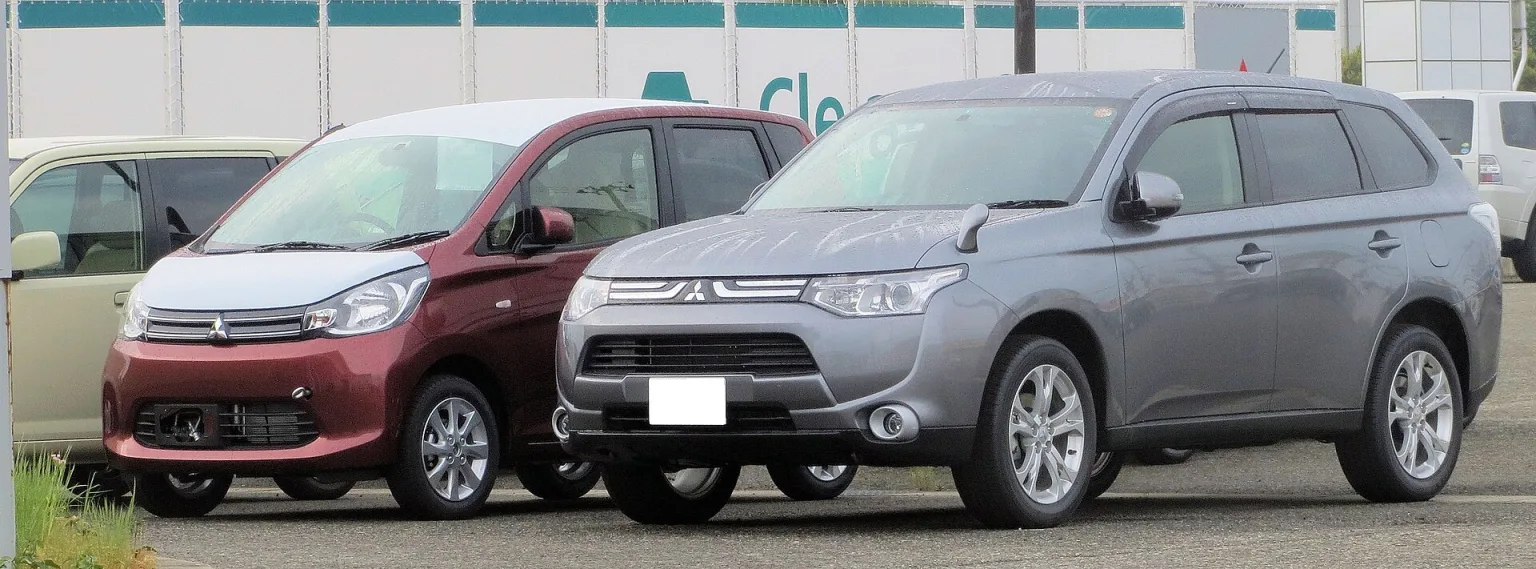
Mitsubishi Motors has forecast an annual net loss of 200 billion yen (about $2 billion) for the 2016 financial year, citing the impact of its fuel economy data manipulation scandal. The company detailed the expected losses in its full-year outlook, with the bulk of the cost coming from compensation to customers and partners.
Mitsubishi's Forecasted Losses Linked to Mileage Scandal
Breakdown of Financial Impact
The automaker plans to book an extraordinary loss of 100 billion yen to repay affected customers. An additional 50 billion yen is earmarked for compensation to Nissan, suppliers, and dealers. These measures are intended to address the direct fallout from the scandal and to maintain business relationships within the supply chain.
Mitsubishi also expects a 55 billion yen hit to operating income as a result of falling demand. This anticipated decline in income reflects the broader consequences of the scandal on the company's reputation and consumer confidence.
Sales Outlook and Regional Impact
The company has projected a sharp decline in domestic sales, with a forecasted drop of 41 percent to 60,000 units, compared to 102,000 units sold the previous year. In addition to the domestic market, Mitsubishi expects a 9 percent sales decline in Europe and a 13 percent drop in other regions, indicating the global reach of the scandal's impact.
- Domestic sales forecast: 60,000 units (down from 102,000)
- European sales: 9% decline expected
- Other regions: 13% decline expected
Details of the Mileage Scandal
The scandal first came to light in April 2016, when Mitsubishi admitted to manipulating fuel economy figures for four domestic mini-vehicle models, including two built for Nissan. The company later revealed that the number of affected vehicles was actually 20 models. This manipulation involved inflating fuel efficiency data, misleading consumers and business partners.
As a result, Nissan began investigating whether similar practices may have affected vehicles outside Japan. This scrutiny comes at a time when Nissan is finalising a 237 billion yen (approximately $2.28 billion) deal for a 34 percent stake in Mitsubishi. The ongoing investigation could influence the completion of this alliance if further issues are uncovered.
Compensation and Alliance Developments
Mitsubishi's compensation plan includes payments to customers, Nissan, and its dealer network. The company has already committed to compensating affected customers, as detailed in earlier announcements. This is part of Mitsubishi's effort to restore trust and mitigate the reputational damage caused by the scandal.
Nissan, which is seeking to finalise its investment in Mitsubishi, has indicated that any further evidence of manipulation outside Japan could cause significant concern. The outcome of Nissan's investigation and the success of the compensation plan will be closely watched by industry observers, as they may affect the future relationship between the two automakers.
Consequences for Mitsubishi and the Industry
The projected 41 percent drop in domestic sales for 2016 highlights the severe loss of consumer trust following the fuel economy scandal. Mitsubishi faces not only immediate financial losses but also longer-term challenges in rebuilding its reputation and market share. The scandal has prompted other automakers to review their own practices and may lead to increased regulatory scrutiny across the industry.
The coming months will be critical for Mitsubishi as it implements its compensation plans and works to restore confidence among customers, business partners, and investors.