BMW 3 Series F30 takes on Mercedes C-Class in design and efficiency comparison
BMW's new 3 Series F30 arrives with fresh styling, new engines and improved efficiency, setting up a direct comparison with the facelifted Mercedes C-Class.
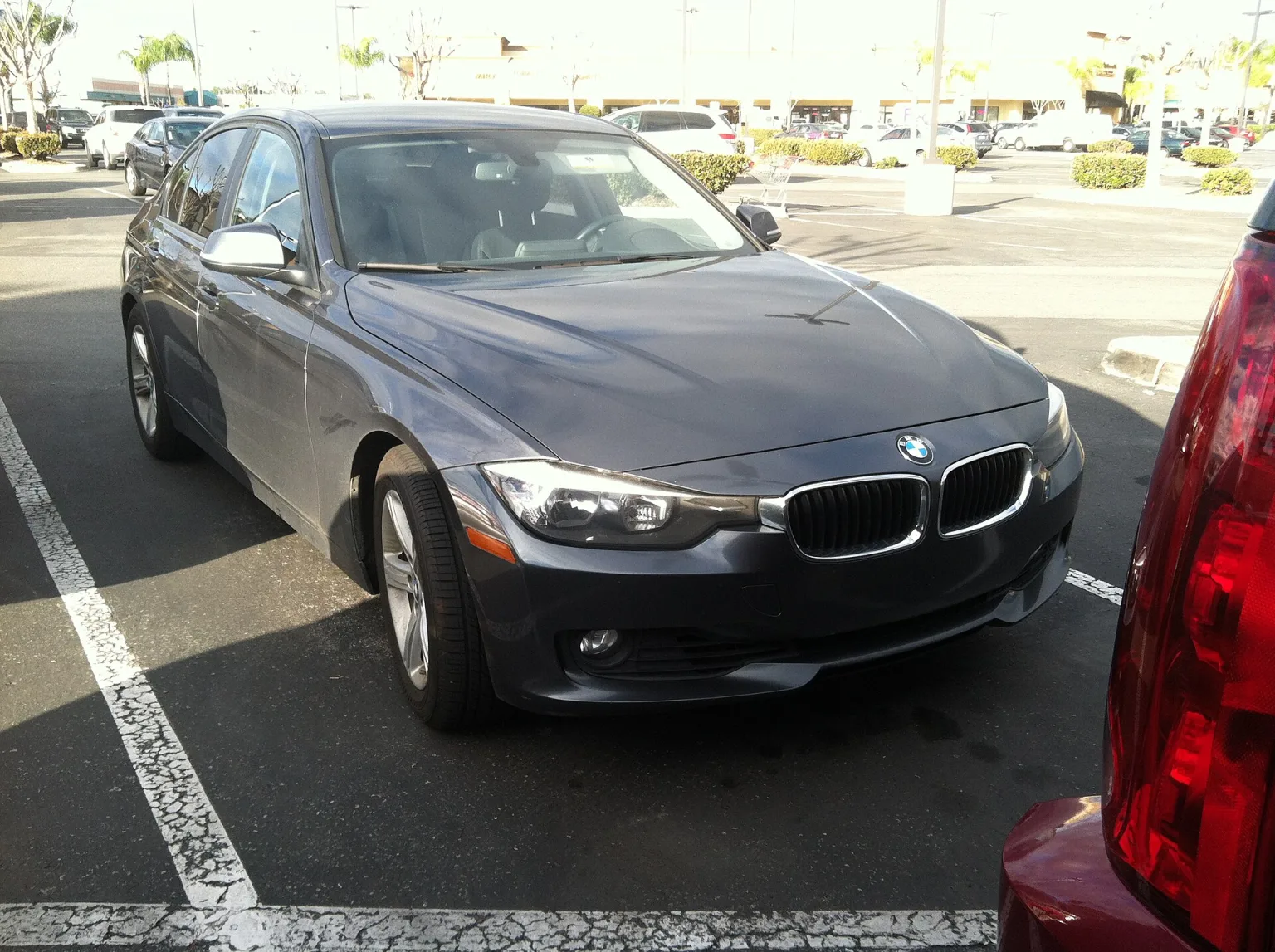
BMW has launched the sixth-generation 3 Series (F30), bringing new styling, updated engines and improved efficiency to the compact executive segment. The timing puts it head-to-head with the recently facelifted Mercedes-Benz C-Class, which received its own updates earlier in 2011.
Exterior design updates
The new 3 Series adopts a sharper, more athletic look, with a wider stance and a front end that draws inspiration from the larger 5 Series. The headlights now flow into the grille, and the overall effect is more aggressive than the outgoing E90 generation. The F30’s proportions are slightly larger, offering more interior space without losing the compact saloon footprint.
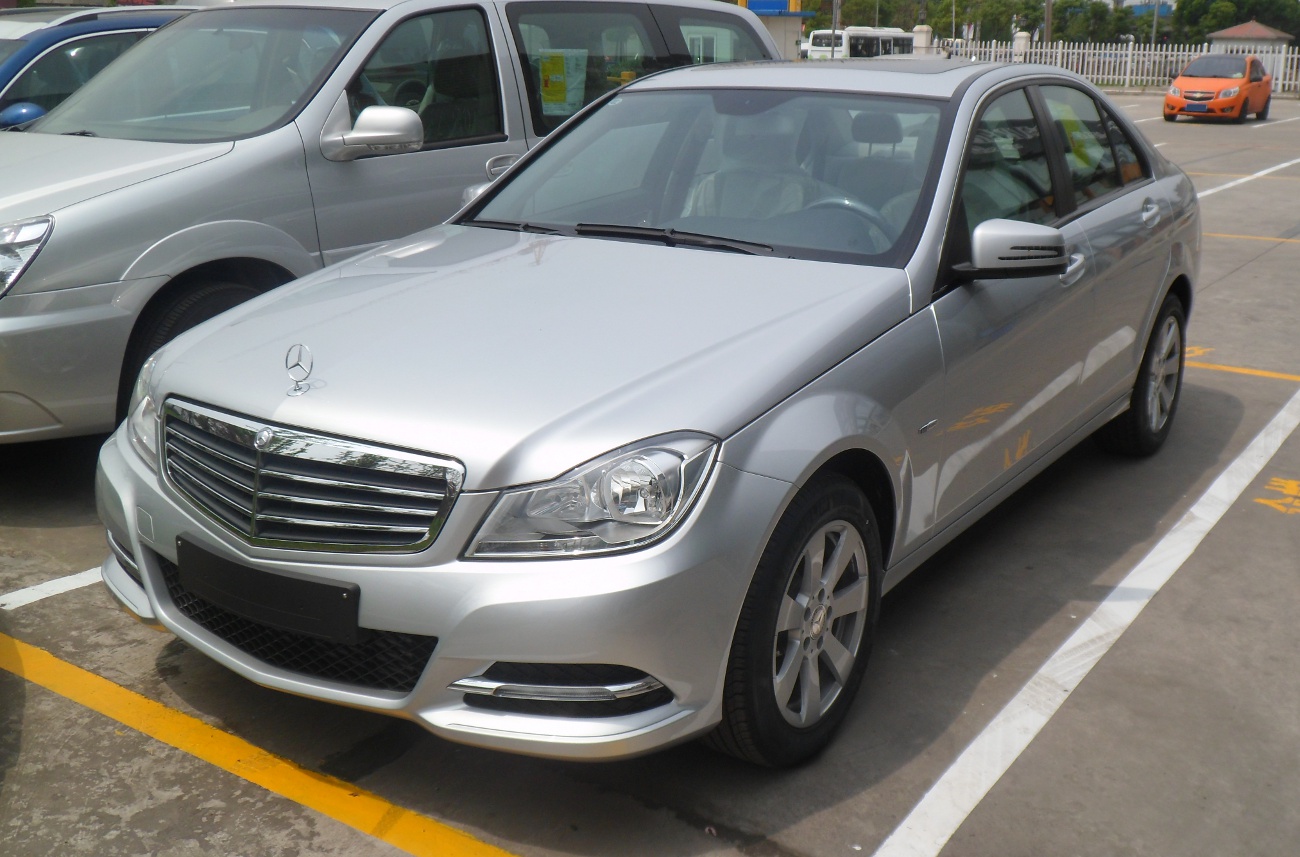
In contrast, the Mercedes C-Class facelift introduced a revised front bumper and a new aluminium bonnet, which reduces weight and helps improve fuel consumption. The headlamps incorporate horizontal broadband LED indicators and daytime running lamps, giving the C-Class a distinctive light signature. The visual changes bring the C-Class closer to Mercedes’ latest design language, though the basic silhouette remains familiar.
Engines and efficiency
BMW’s F30 range brings new turbocharged petrol and diesel engines, all equipped with stop/start technology as standard. The highlight for efficiency is the 320d EfficientDynamics Edition, which produces 163hp while returning a claimed 4.1l/100km and 109g/km of CO2. This places it among the most efficient models in its class at launch.
Mercedes counters with the C 180 CDI BlueEFFICIENCY, offering 120hp and a quoted 4.8l/100km average consumption. While the C-Class is competitive on emissions and economy, the BMW offers more power and lower fuel consumption on paper. Both models aim to appeal to company car drivers and private buyers looking for lower running costs.
| Model | Power (hp) | Combined Fuel (l/100km) | CO2 (g/km) |
|---|---|---|---|
| BMW 320d EfficientDynamics | 163 | 4.1 | 109 |
| Mercedes C 180 CDI BlueEFFICIENCY | 120 | 4.8 | n/a |
Interior and technology
Inside, the new 3 Series features improved materials, a redesigned dashboard and increased rear legroom. All F30 models include Driving Experience Control, allowing drivers to select various modes that adjust throttle response, steering and, where fitted, adaptive suspension. Technology upgrades include a new infotainment system and optional head-up display. For more on the new 3 Series interior, seeleaked images reveal interior of new BMW 3 Series ahead of debut.
The C-Class facelift updated the dashboard to reflect cues from the E-Class, with a more angular instrument binnacle and higher-grade trim. The changes aim to lift perceived quality and modernise the cabin, though the fundamental layout and space remain unchanged from the pre-facelift model.
Market impact and buyer considerations
Both the BMW 3 Series F30 and Mercedes C-Class facelift target the same market: buyers seeking a premium compact saloon with strong brand appeal, efficiency and the latest technology. BMW’s new engines and tech focus may appeal to those prioritising running costs and driving dynamics, while Mercedes continues to offer refinement and a more traditional approach to comfort and design.
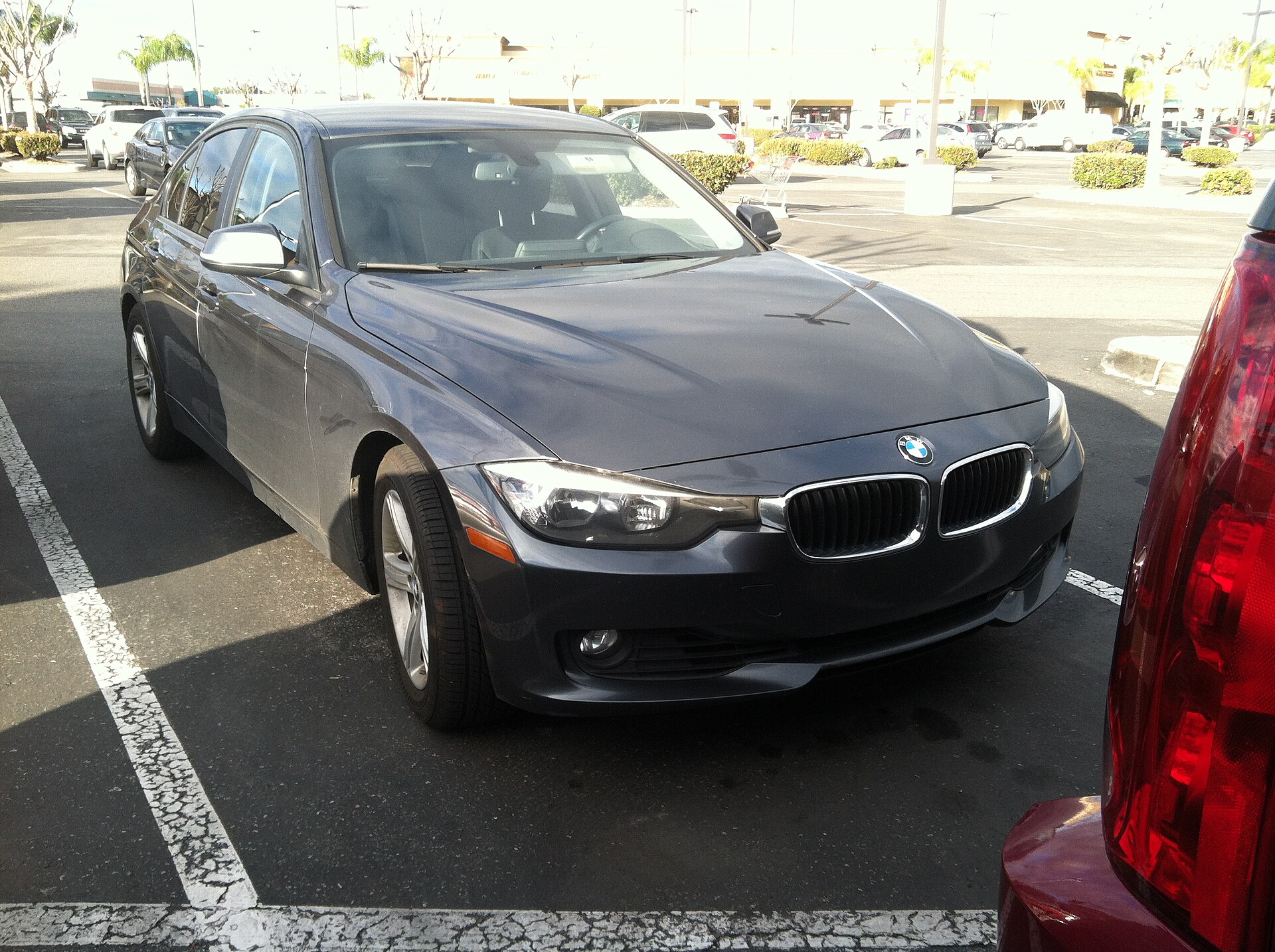
- BMW 3 Series F30: New platform, more efficient engines, larger interior, advanced tech features
- Mercedes C-Class facelift: Refined styling, weight-saving aluminium bonnet, updated cabin materials
For a full technical breakdown of the F30’s new engines and platform, see BMW 3 Series F30 brings new turbo engines and technical upgrades.
Both models set a high standard for the segment and will remain key rivals as buyers weigh style, efficiency and brand loyalty.