Norway Targets 2025 Ban on New Petrol and Diesel Car Sales
Norway’s main political parties have backed a proposal to end sales of new petrol and diesel cars by 2025, aiming to accelerate the country’s shift to electric vehicles.
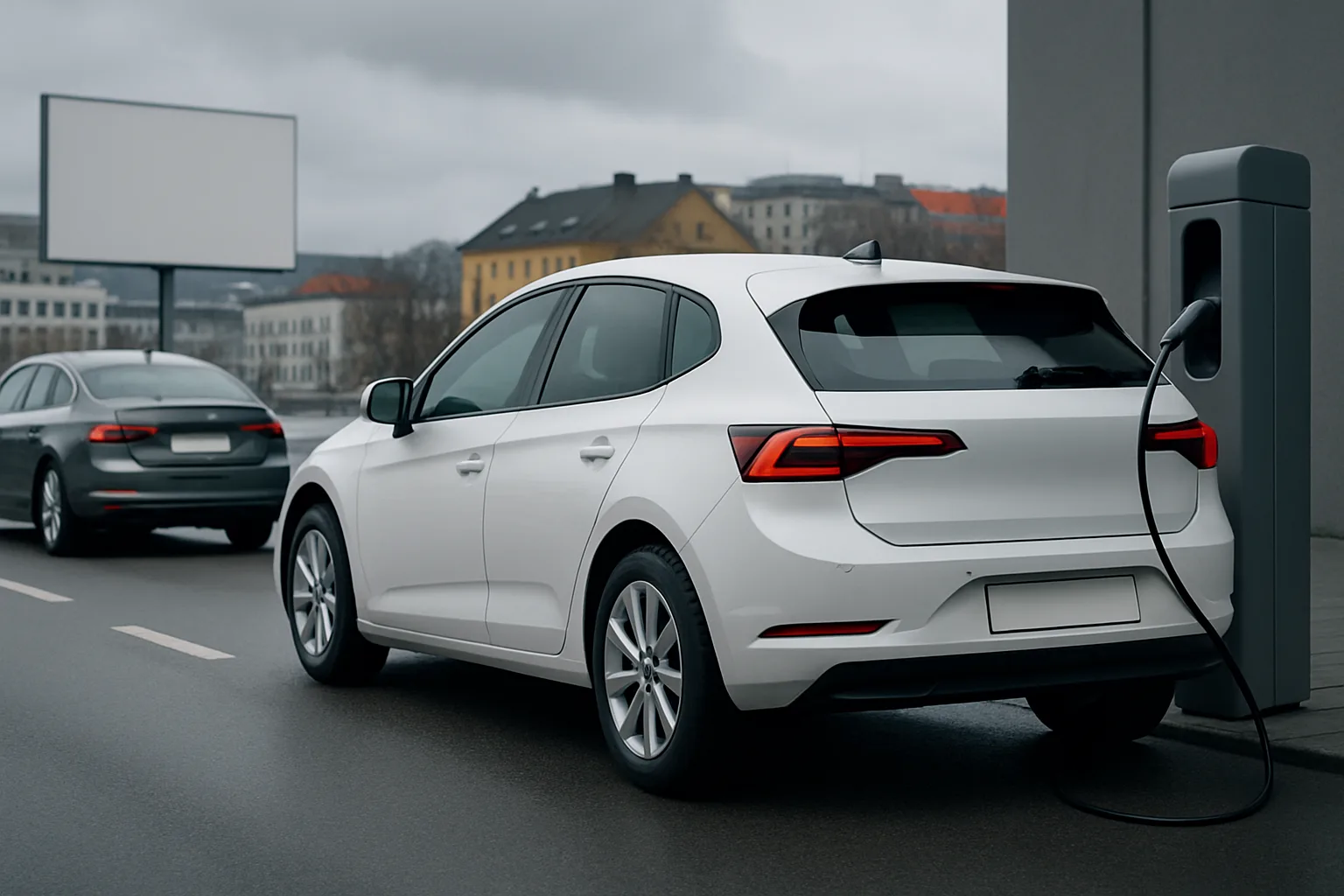
Norway’s four largest political parties have agreed on a proposal to end sales of new petrol and diesel cars from 2025, setting the country on course to become the first major market to enforce such a ban within a decade. Announced in June 2016, this move would make Norway the earliest adopter of a national-level prohibition on new internal combustion engine (ICE) passenger cars.
Norway’s Ambitious Plan to Ban New Petrol and Diesel Cars by 2025
Details of the Proposed Ban
The proposed legislation is backed by Norway’s four main political parties and targets all new petrol and diesel car sales from 2025. If enacted, only zero-emission vehicles, such as battery electric, plug-in hybrid, and hydrogen-powered cars, could be registered as new passenger vehicles. Existing petrol and diesel cars would not be affected by the law, meaning they could continue to be owned and sold as used vehicles. The focus is squarely on new car registrations, aiming to accelerate the transition to cleaner transport options.
Norway’s Electric Vehicle Leadership
Norway already leads Europe in electric vehicle (EV) market share. By early 2016, electrified vehicles, including battery electric, plug-in hybrid, and conventional hybrid models, accounted for over 60 percent of new car sales in some months. In March 2016 alone, more than 60% of new cars sold in Norway were electrified models. This rapid uptake is supported by a range of generous government incentives designed to make EV ownership attractive and affordable.
- Zero purchase tax and VAT exemption for EV buyers
- Free public parking and charging
- Access to bus lanes for EVs
- No road tolls, ferry, bridge or tunnel fees for electric cars
These incentives have helped Norway become a model for rapid EV adoption, encouraging both consumers and manufacturers to shift towards greener vehicles. The country’s enthusiasm for environmentally friendly transport is reflected in its high EV market share and continued political support for ambitious climate targets.
Political Consensus and International Influence
The cross-party support for the 2025 ban signals a strong political commitment to reducing transport emissions. Norway’s policy has drawn international attention and is influencing other countries to consider similar measures. For example, the Netherlands has also proposed banning new conventional-powered cars from 2025, while India has set a goal for all cars to be electric by 2030. Germany is working on regulatory laws to allow towns to restrict older diesel vehicles from their streets.
Norway’s approach demonstrates how coordinated government action and incentives can drive rapid change in the automotive sector. The country’s experience offers valuable lessons for other nations aiming to reduce emissions and promote cleaner transport technologies.
Impact on Industry and Consumers
For car manufacturers and dealers, the proposed ban means an accelerated need to adapt product lines and sales strategies towards electric and alternative fuel vehicles. The Norwegian market, already a test case for rapid EV adoption, is likely to see even greater demand for electric models as 2025 approaches. Consumers continue to benefit from incentives, making the switch to electric vehicles more appealing both financially and practically.
While the proposal awaits full legislative approval and implementation details, Norway’s plan sets a clear direction for the future of transport in the country. The 2025 target is one of the most ambitious in the world, and its success could further accelerate the global shift away from fossil fuel-powered cars.