Porsche introduces new biturbo V8 engine for Panamera and Cayenne
Porsche has unveiled a newly developed biturbo V8 engine, set to power the next Panamera Turbo and Cayenne, with 541hp and advanced cylinder deactivation technology.
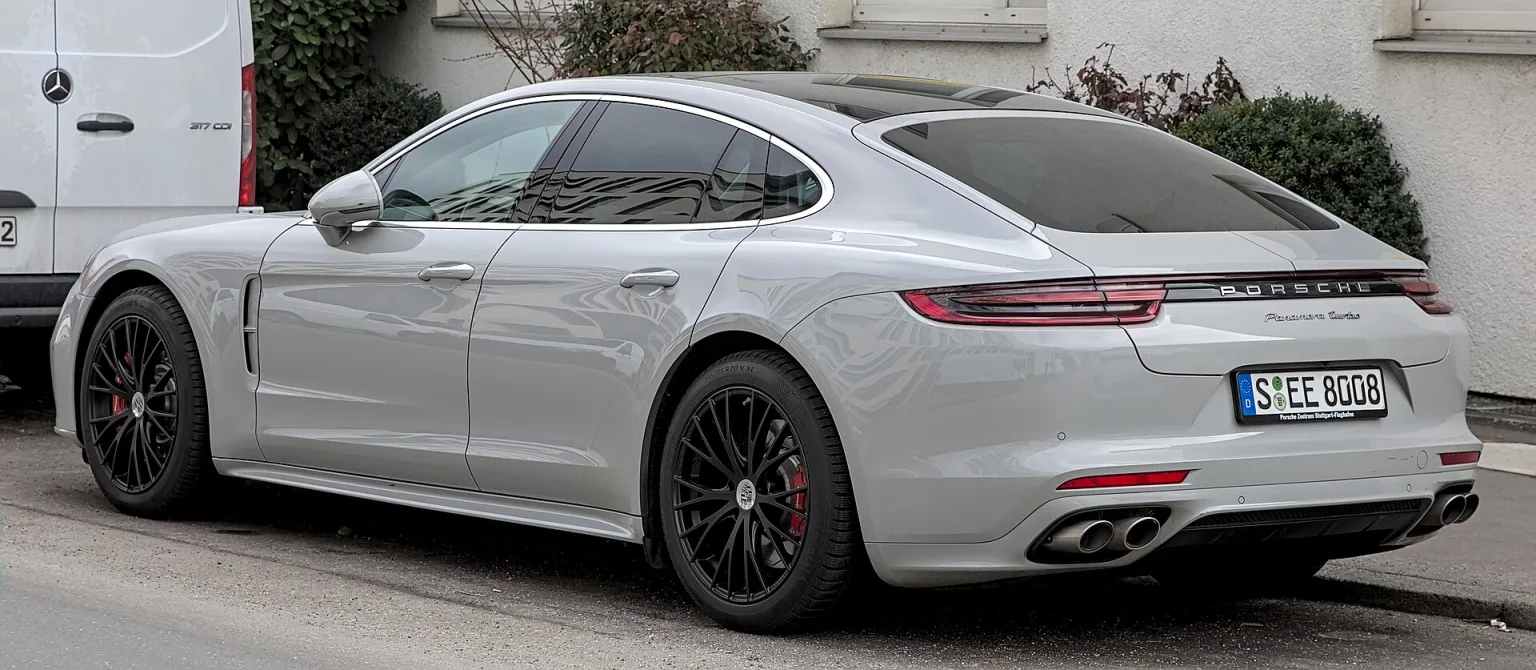
Porsche has officially revealed a completely new biturbo V8 engine, set to make its first appearance in the upcoming Panamera Turbo and next-generation Cayenne. The unveiling took place discreetly at the Vienna Motor Symposium, where Porsche confirmed the engine’s impressive output figures: 541hp and 567lb-ft of torque. This marks a significant step forward for the German automaker’s performance powertrain range.
Porsche Introduces All-New Biturbo V8 Engine
Technical Highlights and Engineering
The new V8 is a clean-sheet design, though its development began with the architecture of the turbocharged 3.0-litre V6 engine found in the Audi S4. Porsche has not yet disclosed the exact displacement of the new V8, but has shared several details about its advanced features. Among the most notable is a cylinder deactivation system, which allows the engine to operate in a so-called “half-engine mode” under low loads between 950 and 3,500rpm. This technology can reduce fuel consumption by as much as 30 percent in suitable driving conditions, contributing to improved efficiency for high-performance vehicles.
Inside the Panamera Turbo, the V8 delivers 541hp (404kW) and 770Nm of torque, making it more powerful than the outgoing 4.8-litre biturbo V8. Porsche also claims “significantly reduced” CO2 emissions compared to the previous engine, reflecting the company’s focus on balancing performance with environmental considerations. The engine will be available with either an eight-speed automatic or an eight-speed dual-clutch gearbox, depending on the specific vehicle application.
Versatility Across Volkswagen Group Platforms
Porsche’s engineers have designed the new biturbo V8 for broad compatibility within the Volkswagen Group’s modular vehicle architectures. The engine can be integrated into rear-wheel-drive vehicles based on Porsche’s MSB platform, as well as front-wheel-drive models built on Audi’s MLB architecture. This flexibility means the engine could see use in a variety of future models across several brands.
In addition to its platform versatility, the V8 is engineered for compatibility with start/stop systems and future hybrid applications. This forward-thinking approach underlines Porsche’s commitment to adapting its performance engines for evolving automotive technologies and stricter emissions standards.
Efficiency Features and Future Applications
The cylinder deactivation system, which operates between 950 and 3,500rpm, is a key feature aimed at improving fuel economy during everyday driving. By shutting down half of the cylinders when full power is not required, the engine can achieve notable efficiency gains without sacrificing performance when needed. This system is expected to be particularly beneficial in large, high-powered vehicles like the Panamera and Cayenne.
Looking ahead, Porsche’s new V8 is anticipated to underpin the brand’s top performance models and could be adopted in other Volkswagen Group vehicles. Its adaptability for hybrid technology and compatibility with multiple platforms suggest a significant role in the group’s future line-up.
Summary of Key Specifications
| Maximum Power | 541hp (404kW) |
|---|---|
| Maximum Torque | 770Nm (567lb-ft) |
| Cylinder Deactivation | Active between 950–3,500rpm |
| Transmission Options | Eight-speed automatic or dual-clutch |
| Platform Compatibility | MSB (rear-wheel-drive), MLB (front-wheel-drive) |
| Hybrid Compatibility | Yes |
| CO2 Emissions | Significantly reduced vs previous V8 |
Conclusion
Porsche’s all-new biturbo V8 engine represents a major development for the brand’s performance vehicles. With increased power, improved efficiency, and broad compatibility across platforms and future technologies, the new engine is set to play a central role in Porsche’s next generation of high-performance models.