Mitsubishi recalls 14,700 electric vehicles globally for brake pump fault
Mitsubishi has issued a worldwide recall of i-MiEV and MINICAB-MiEV electric vehicles, citing a brake booster pump issue affecting nearly 15,000 units.
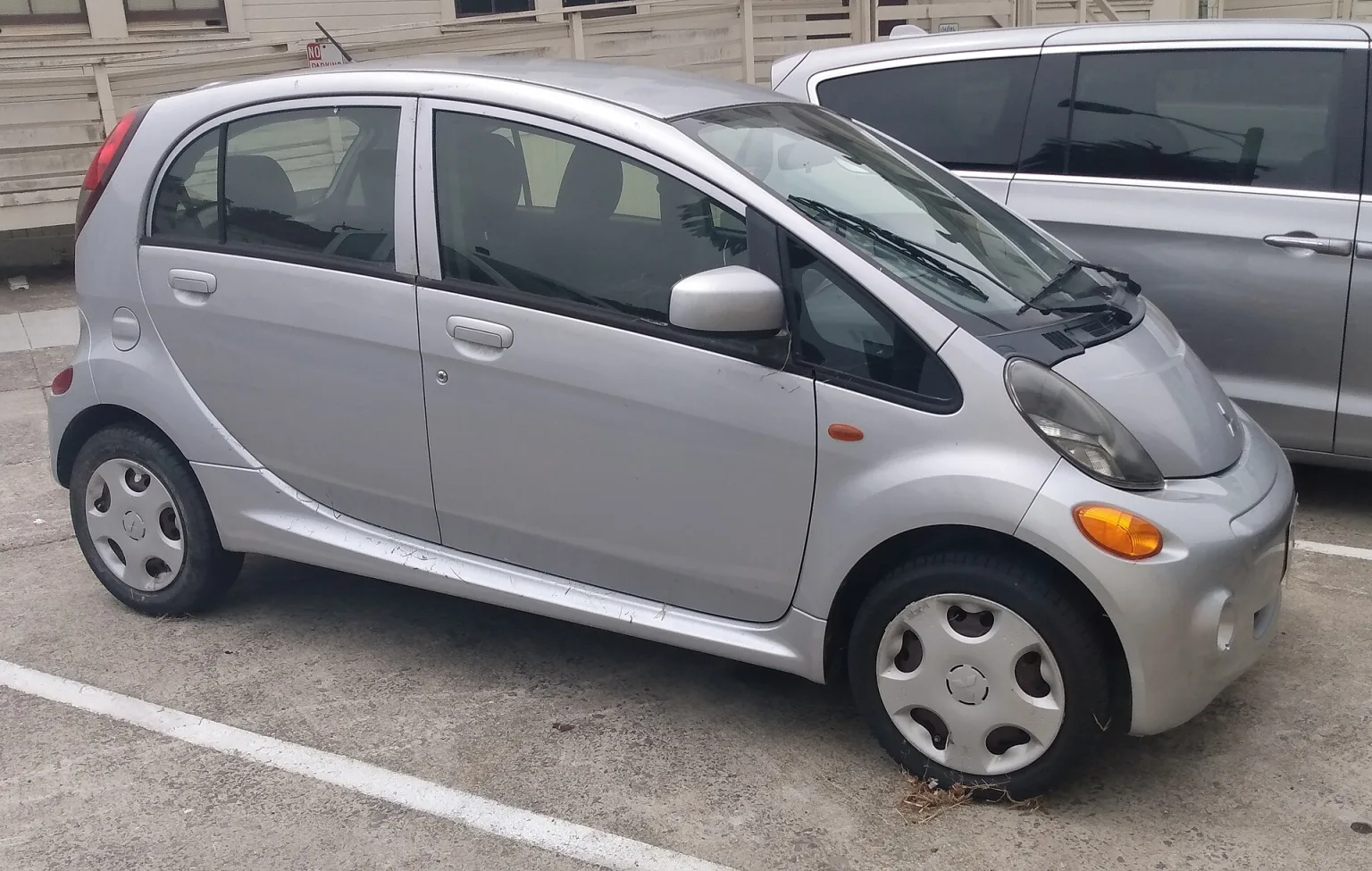
Mitsubishi has announced a global recall affecting 14,700 of its electric vehicles after identifying a defect in the brake booster pump. The recall covers the i-MiEV and MINICAB-MiEV models, with affected vehicles sold in Japan and across Europe.
Mitsubishi Recalls 14,700 Electric Vehicles Globally Over Brake Booster Defect
Details of the Recall
According to Mitsubishi, the issue involves an improperly shaped or damaged electric pump responsible for supplying air to the brake booster. This component assists braking by amplifying the force applied to the pedal. If the pump fails, drivers may experience reduced braking assistance. Mitsubishi has stated that there have been no reported accidents or injuries linked to the defect so far. The company has identified the cause and is implementing corrective measures.
- i-MiEV: Mitsubishi’s compact electric city car, launched in 2009, widely exported to Europe.
- MINICAB-MiEV: Commercial electric van variant, mainly sold in Japan but also available in select overseas markets.
Scope and Regional Impact
Of the 14,700 vehicles recalled, around 5,800 are in Japan and approximately 8,900 are in Europe. Owners of affected vehicles are being advised to contact their local Mitsubishi dealerships to arrange for inspection and replacement of the faulty pump. The recall affects vehicles produced for both private and commercial use, reflecting the international reach of Mitsubishi’s electric vehicle lineup.
Safety and Quality Considerations
While Mitsubishi has emphasised that the issue is limited to a specific pump component and not a broader flaw with electric vehicle technology, the recall draws attention to the importance of robust quality checks, especially for safety-critical systems in electric vehicles. Analysts have noted that the recall points to a need for stronger quality control procedures at Mitsubishi, particularly given the safety relevance of braking systems.
The brake booster is a vital part of the vehicle’s safety system, as it helps the driver apply sufficient braking force with less effort. A faulty pump could lead to increased stopping distances or a heavier brake pedal feel, which, while not resulting in any reported accidents so far, could pose a risk if left unaddressed. Mitsubishi’s swift response and the absence of injuries or incidents demonstrate the company’s commitment to maintaining its safety record.
What Owners Should Do
Owners of the affected i-MiEV and MINICAB-MiEV models are encouraged to reach out to their nearest Mitsubishi dealer as soon as possible. Dealerships will inspect the vehicles and replace the defective electric pump at no cost to the customer. This proactive approach aims to ensure continued safety for drivers and passengers.
Background on Mitsubishi’s Electric Vehicles
The i-MiEV, introduced in 2009, was among the first mass-produced electric cars and has been exported globally, especially to Europe. The MINICAB-MiEV, a commercial van, extends Mitsubishi’s electric vehicle offerings, catering to both urban commuters and businesses. Both models represent Mitsubishi’s ongoing efforts in electric mobility, and this recall serves as a reminder of the challenges manufacturers face in ensuring reliability and safety in new automotive technologies.