Self-driving cars struggle with reliability and public trust
Reports indicate that self-driving cars remain far from flawless, with persistent technical and social obstacles keeping human drivers in the frame for now.
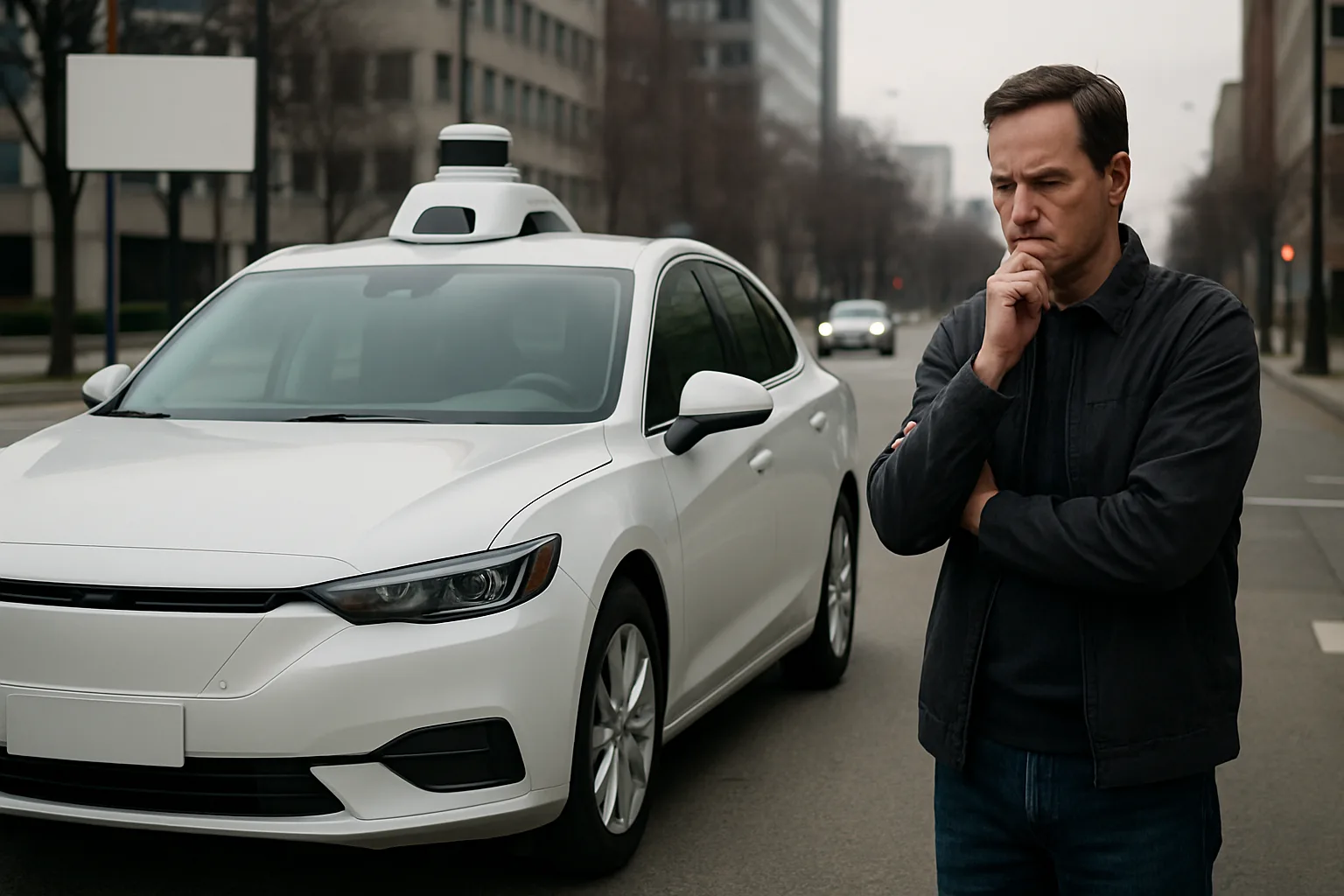
Despite years of development and heavy investment, self-driving cars are still falling short of the reliability and safety levels required for widespread adoption. Reports highlight that these vehicles remain prone to errors and unpredictable behaviour, raising concerns for both manufacturers and potential users.
Incidents involving autonomous vehicles have drawn attention to the technology’s limitations. Technical failures, such as difficulties in interpreting complex traffic situations or coping with unexpected road users, have led to several high-profile setbacks. Google’s self-driving cars, for example, have been involved in multiple rear-end collisions during US testing, often because other road users misjudge their behaviour.(/us-google-cant-stop-getting-his-autonomous-cars-being-rear-ended)
For ridesharing firms like Uber and Lyft, the prospect of fully replacing drivers with autonomous vehicles remains distant. Even with advanced self-driving systems, companies still rely on human staff to manage cleaning, enforce safety and provide customer service. As one industry commentator noted, no robot can yet match a human for keeping a vehicle clean or handling disruptive passengers. The social aspect of ridesharing, passenger comfort, safety and service, continues to require a human presence.
Technical and social barriers remain
Public acceptance is another hurdle. Many passengers remain sceptical about travelling alone in a driverless car, particularly in situations that require judgement, empathy or rapid intervention. The inability of machines to handle nuanced social interactions or respond to emergencies with human intuition is a recurring concern. Some rideshare customers prefer the reassurance of a real driver, especially when issues arise during a journey.
Regulators have taken note of these challenges. In Japan, for example, authorities have restricted public road tests for fully self-driving cars, citing safety and reliability concerns.(/japan-bans-fully-self-driving-cars-from-public-tests)
- Technical failures in complex traffic remain common.
- Cleaning and passenger management require human staff.
- Public trust in driverless cars is not yet established.