Saab Sale to NEVS Delayed Over Naming Rights and Funding
Completion of Saab’s sale to National Electric Vehicle Sweden has been postponed after complications with the rights to the Saab name and delays in securing funding.
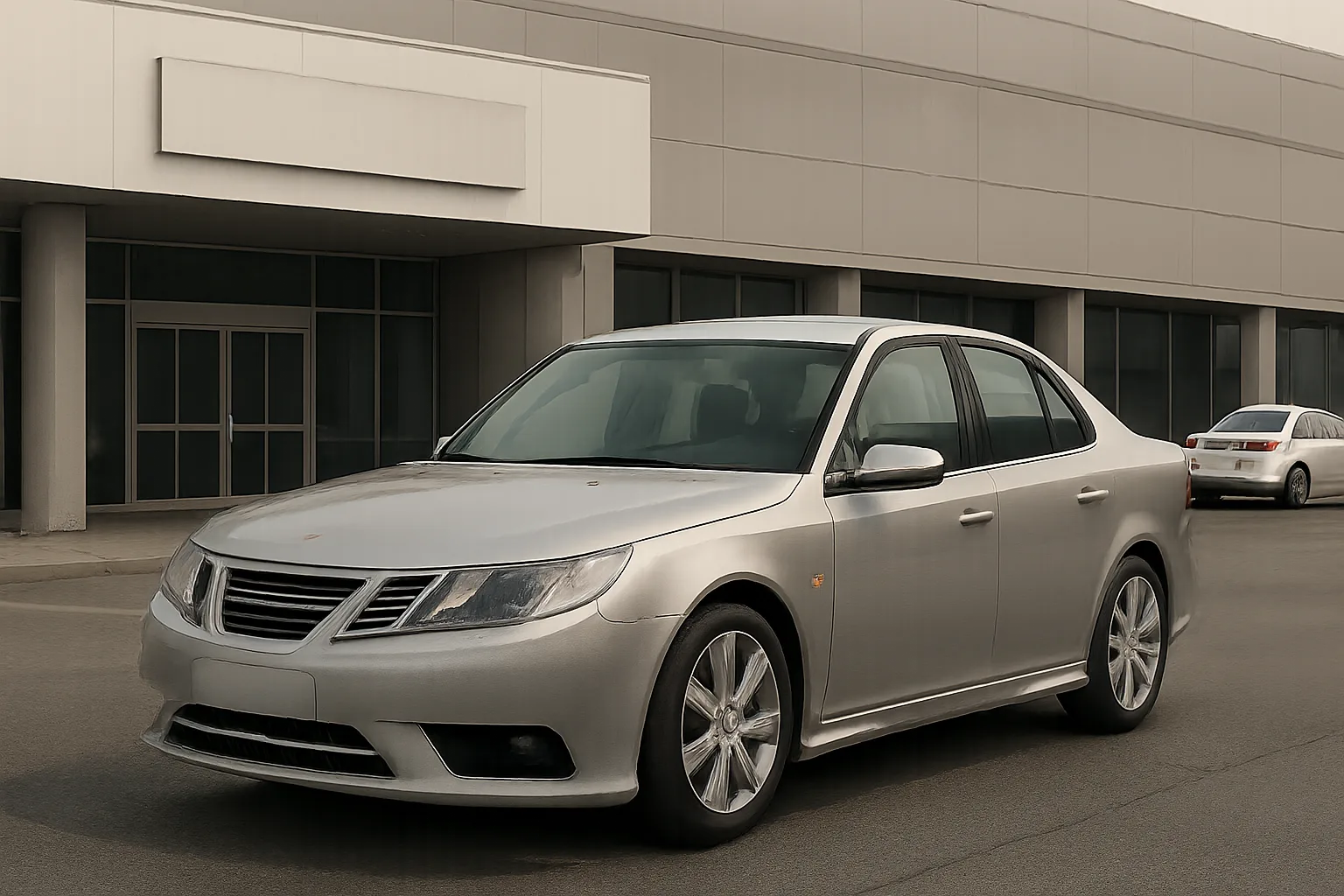
National Electric Vehicle Sweden’s (NEVS) planned acquisition of Saab’s assets has been postponed, following unresolved issues over the rights to use the Saab name and delays in finalising funding. The deal, originally expected to close by late August 2012, now faces uncertainty as negotiations continue with the holders of the Saab brand.
Naming rights stall the deal
Although NEVS received approval in June 2012 to acquire a substantial portion of Saab’s assets, the consortium cannot use the Saab name without agreement from both Scania AB and defence and aerospace company Saab AB. Scania has already refused permission, while Saab AB has yet to make a decision. Without these approvals, NEVS cannot market vehicles under the Saab badge, complicating its business plan.
The issue is not merely branding. The Saab name carries value in key markets, and lack of access would force NEVS to relaunch under an unfamiliar badge, potentially undermining sales of future electric vehicles. NEVS’s original plan was to build electric cars at Saab’s Trollhättan factory, starting with a model based on the existing Saab 9-3 platform and using electric powertrains sourced from Japan.
Funding complications add to delays
In addition to the naming dispute, NEVS has not finalised funding for the acquisition. The consortium, which includes Japanese, Swedish and Chinese investors, agreed to buy Saab’s assets excluding the contentious Saab 9-5 technology. The delay in securing full financial backing is believed to be linked to the uncertainty over the Saab brand rights, as investors weigh the value of the acquisition without the iconic name.
Implications for Trollhättan and electric vehicle plans
NEVS’s plans included restarting production at the Trollhättan plant, focusing on electric vehicles for global markets. The first model was set to use the Saab 9-3 platform, with later expansion possible. Until the naming and funding issues are resolved, these plans remain on hold, and the future of the factory and its workforce is uncertain.