Seat to Launch Compact SUV in 2016, CEO Confirms
Seat will introduce a compact SUV in 2016, with design and engineering handled in Spain but production likely to take place at a Volkswagen Group plant in Eastern Europe.
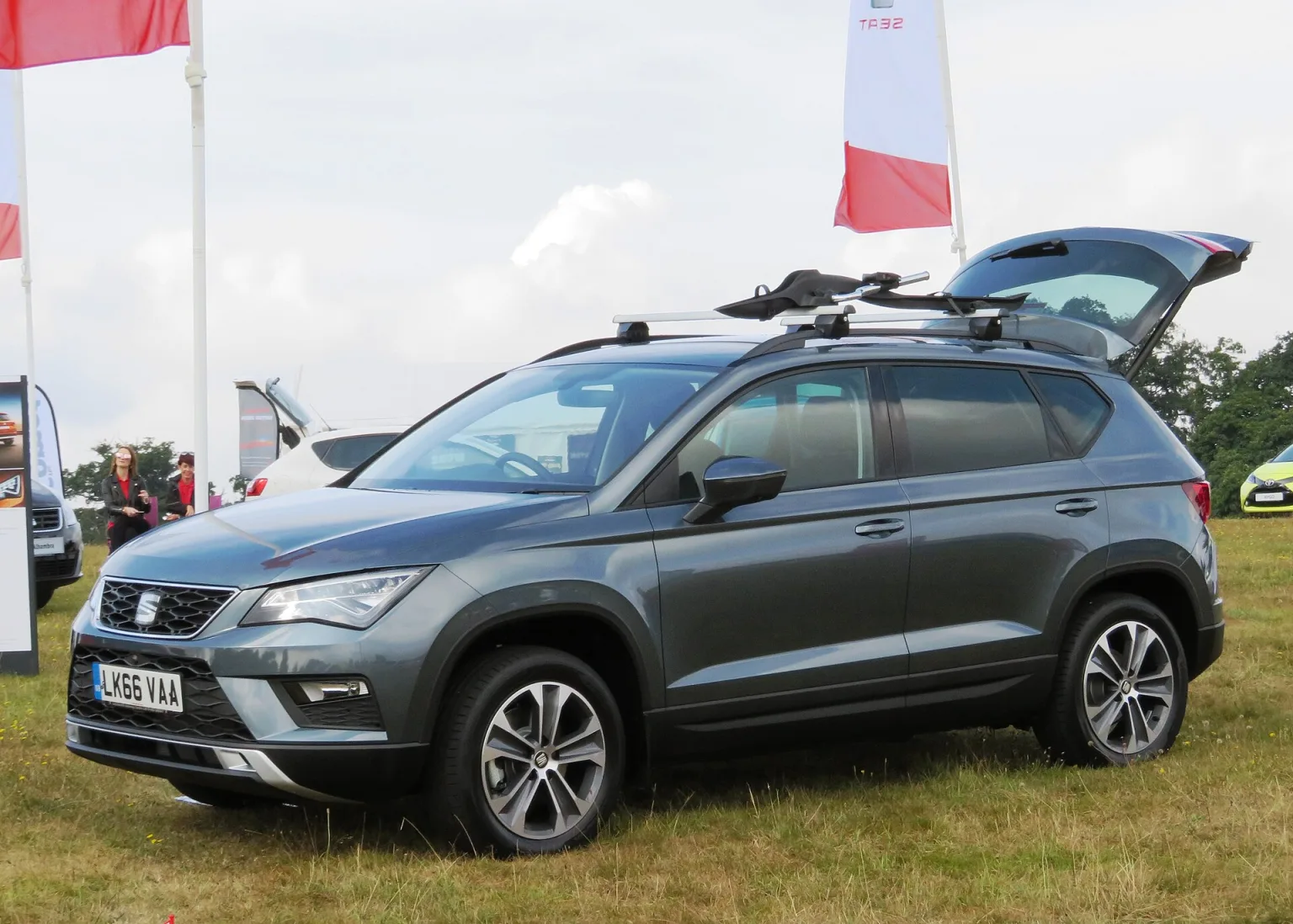
Seat will enter the compact SUV market in 2016, CEO Jürgen Stackmann has confirmed. The Volkswagen Group’s Spanish brand will base the new model on the Leon platform, aiming to capitalise on strong growth in the European SUV segment.
Development and design work for the SUV will take place at Seat’s Technical Centre in Martorell, near Barcelona. However, Stackmann indicated that production will most likely be handled at a Volkswagen Group facility in Eastern Europe, where labour costs are lower. Sources familiar with the discussions have identified the Kvasiny plant in the Czech Republic, operated by Skoda, as the leading candidate for assembly. The same factory is already set to build a new large SUV for Skoda, and local reports suggest the expansion could create hundreds of jobs.
Stackmann described the SUV as a “vital pillar” in Seat’s future strategy, highlighting the importance of the segment for the brand’s profitability and sustainability. Seat remains the only Volkswagen Group division that was unprofitable as of 2012, with annual sales around 300,000 units. The company has identified SUVs as a key growth opportunity, with European demand for compact crossovers rising by 40 percent between 2009 and 2014.
Leon DNA and concept influence
The new SUV will share much of its architecture with the current Leon, Seat’s best-selling hatchback. Stackmann said the Leon’s success had clarified Seat’s brand direction, combining German engineering with Spanish design. The company previously previewed its SUV ambitions with the IBX concept, shown at the 2011 Geneva Motor Show. Designed under Luc Donckerwolke, the IBX was a two-door crossover blending SUV and sports car cues, but the production model is expected to be a more conventional five-door compact crossover to compete directly with rivals like the Mazda CX-3 and Honda HR-V.
The SUV’s arrival will coincide with a wave of new compact crossovers from mainstream and premium brands. The segment’s rapid expansion has prompted similar announcements from Alfa Romeo, Lexus and others. For background on the market context, seeMazda’s 2016 CX-3 launch, and the Honda HR-V’s debut at the LA Auto Show.
Production and jobs impact
Choosing Kvasiny as the production site would tie the Seat SUV closely to Skoda’s own SUV expansion. Volkswagen Group’s strategy of sharing platforms and production facilities across its brands is designed to keep costs down while scaling up output. Local media in the Czech Republic have reported that new SUV production at Kvasiny could lead to hundreds of new jobs, though official figures have not been confirmed by Seat or Skoda.
Seat’s focus on SUVs also marks a shift away from MPVs, as the company phases out the Altea to concentrate on higher-growth segments. The move aligns with wider Volkswagen Group efforts to address changing consumer preferences and improve profitability across its brands.