Toyota Auris Hybrid: Calm Commuting in a Crowded Segment
Toyota’s Auris Hybrid offers a mainstream route to low-emissions driving, combining familiar hatchback practicality with proven hybrid technology and a relaxed driving style.
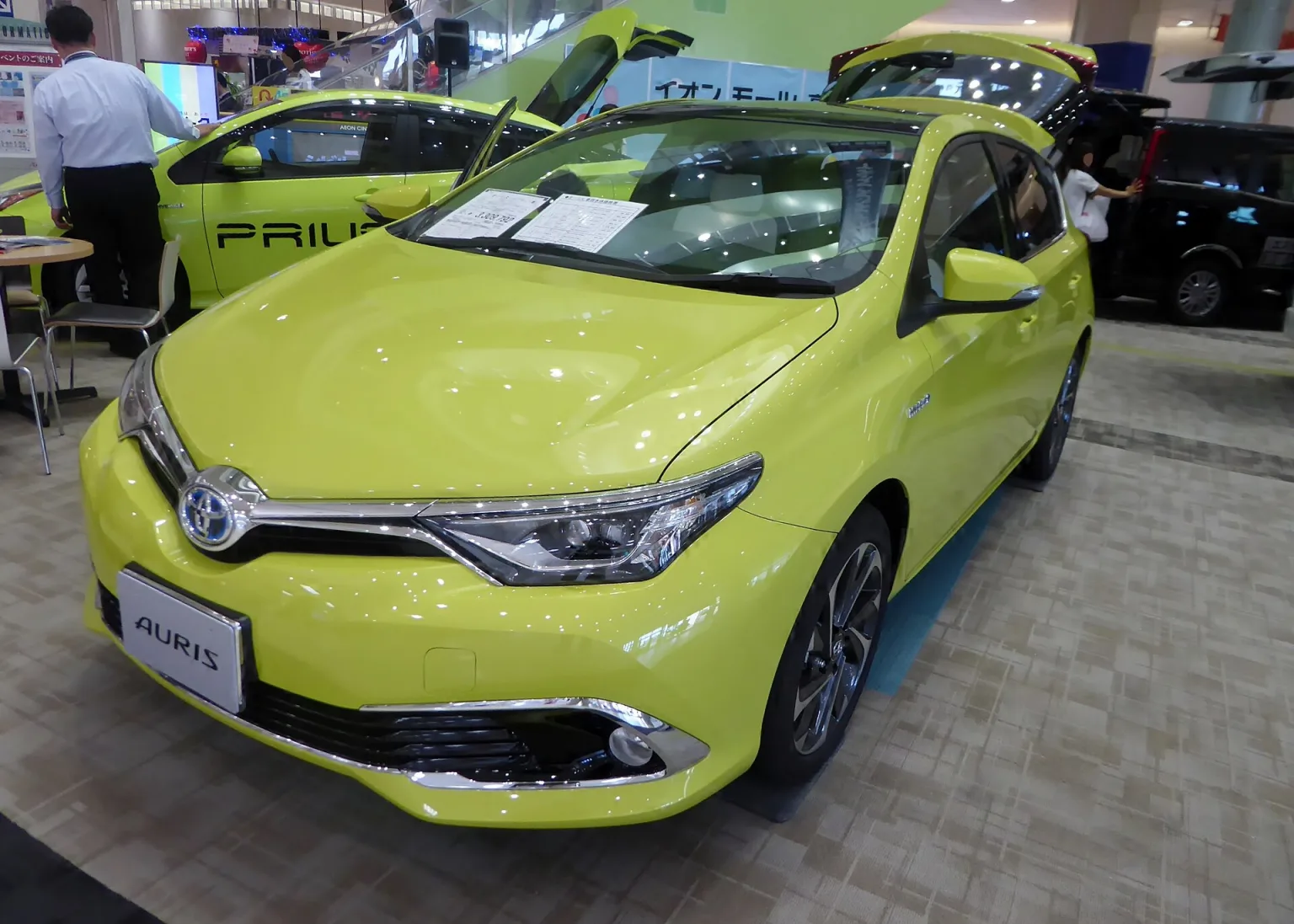
Toyota’s Auris Hybrid, first introduced in 2010 and refreshed in 2015, has become a fixture in the European compact hatchback market. Its combination of a petrol-electric drivetrain and conventional five-door practicality helped Toyota capture buyers looking for lower emissions and running costs without the compromises of a pure electric car.
Hybrid technology in a familiar package
The Auris Hybrid uses a 1.8-litre VVT-i petrol engine paired with an 82 PS electric motor, producing a combined 136 PS. Power reaches the front wheels through a continuously variable transmission (CVT), a system Toyota has used for years in the Prius. The hybrid system allows short periods of electric-only driving at low speeds, but most of the time the petrol engine and electric motor work together for efficiency. Officially, the Auris Hybrid accelerates from 0 to 100 km/h in 10.9 seconds, a figure typical for its class.
Toyota’s hybrid hardware is well proven, and the Auris shares much of its technology with the Prius. The nickel-metal hydride battery is mounted beneath the rear seats, preserving boot space and avoiding the intrusion that affected some earlier hybrids. The car starts in near silence, with the electric motor handling low-speed manoeuvres before the petrol engine joins in. In real-world traffic, the transition is smooth but the CVT can cause the engine to sound strained under heavy acceleration, a common trait among hybrids using this transmission type.
Practicality and equipment
The Auris Hybrid’s five-door hatchback body offers 360 litres of luggage space, expanding to 1,200 litres with the rear seats folded. Rear passenger space is competitive for the segment, though three adults across the back is a squeeze. Visibility is generally good, but the narrow rear window means parking sensors or a reversing camera are worthwhile options.
Interior quality improved with the 2015 facelift, with a mix of soft-touch and harder plastics, new switchgear and a 7-inch touchscreen available on higher trims. Entry-level models came with 15-inch wheels, LED daytime running lights, air conditioning and a multifunction steering wheel as standard. Higher specifications added features such as dual-zone climate control, larger wheels, a panoramic roof and active safety systems. Pricing at launch started around €20,500, rising above €25,000 for the most equipped versions.
Driving experience: calm over excitement
The Auris Hybrid’s driving style rewards patience. In town, it moves off quietly and encourages a relaxed approach. The hybrid system is at its best in stop-start traffic, where the electric motor handles much of the work and fuel consumption is minimised. On faster roads, the car is competent but not engaging, with the CVT transmission prioritising efficiency over driver involvement. Overtaking requires planning, as the drivetrain is tuned for smoothness rather than urgency.
Where it fits in the market
The Auris Hybrid’s main rivals in 2015 were either more expensive plug-in models or conventional diesels. Volkswagen’s Golf GTE, for example, carried a much higher price. Toyota’s persistence with hybrid technology paid off, making the Auris Hybrid the best-selling hybrid hatchback in Europe at the time. For buyers, the Auris offered a straightforward route into hybrid ownership with few sacrifices in practicality or cost.
For more on the Auris range and its evolution, see TRD unveils Modellista package for 2013 Toyota Auris.