European carmakers warn against delays to new emissions rules
Automakers say postponing real driving emissions legislation after an EU committee vote risks derailing development plans and undermining environmental progress.
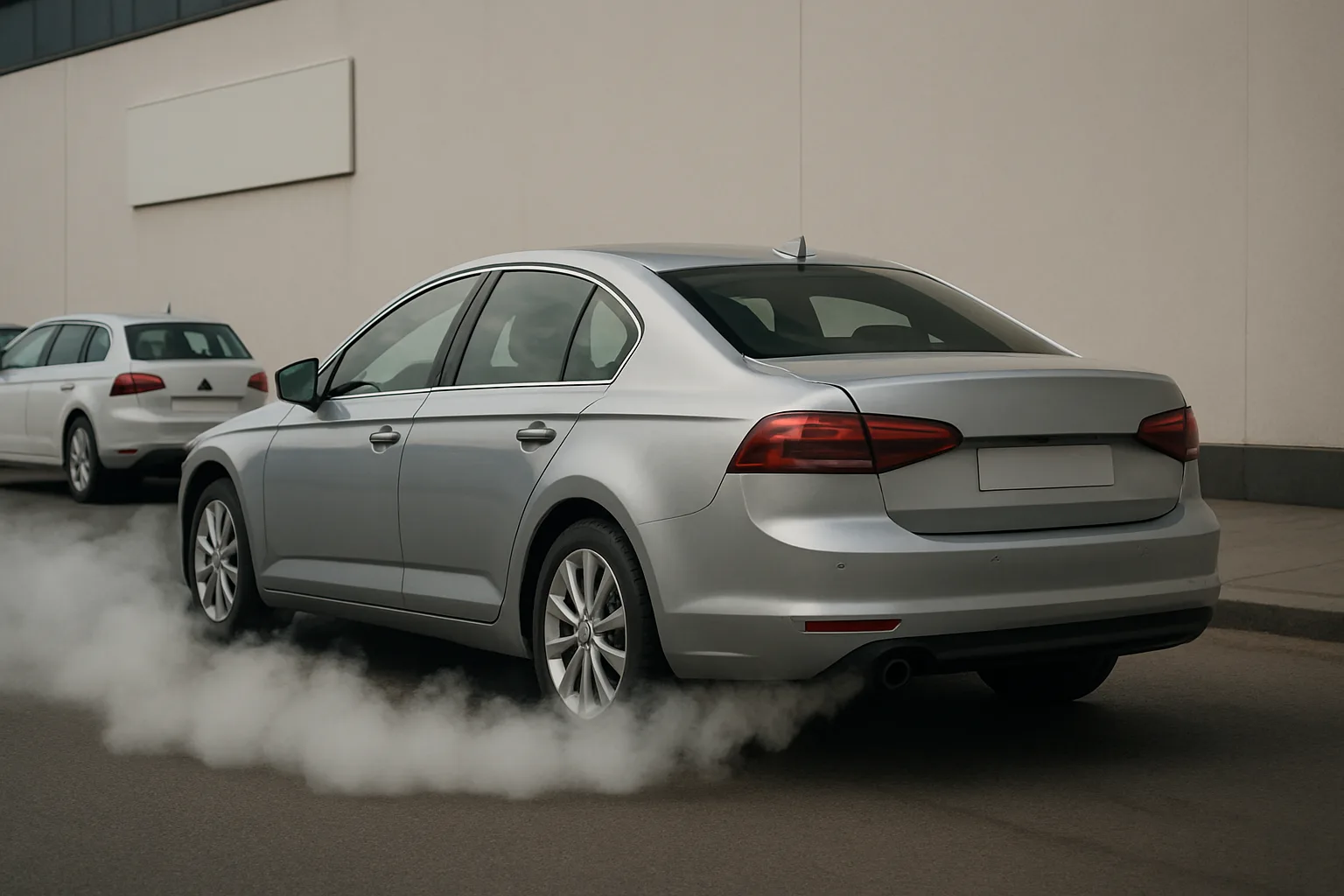
European automakers have raised concerns after the European Parliament’s Environment Committee rejected a draft regulation on real driving emissions, calling instead for stricter rules and a new proposal by April 2016. The European Automobile Manufacturers’ Association (ACEA) said manufacturers urgently need clarity to plan vehicle development and assembly lines in line with new emissions requirements.
The committee’s resolution opposes the European Commission’s move towards softer emissions limits, which had been supported by member states in October. The Commission’s plan would have allowed a phased introduction of real driving emissions (RDE) tests, bridging the gap between laboratory figures and real-world performance. Automakers have argued that the compromise already sets a challenging timeline for the industry, given the product life-cycle and engineering changes required.
Industry calls for regulatory certainty
ACEA secretary general Erik Jonnaert said the industry faces a “tremendous challenge” in meeting the proposed real driving emissions targets on the ambitious timeline set by member states. He warned that further delays or rejection of the compromise would put the entire roadmap for real-world emissions testing in jeopardy, making it difficult for manufacturers to adapt their vehicles and production processes in time.
The association emphasised that a rejection of the rules by the full European Parliament in January would leave little time for manufacturers to implement the necessary technical changes. This could lead to production bottlenecks, increased costs and uncertainty for suppliers and workers involved in the transition to stricter emissions compliance.
Environmental and business implications
The purpose of the new RDE rules is to address the gap between laboratory tests and real-world emissions, an issue that has drawn public scrutiny following recent emissions scandals. Automakers argue that clear and timely regulation is essential to deliver environmental benefits without disrupting investment and planning cycles. Delays could undermine progress on both fronts, with consequences for air quality targets and the competitiveness of Europe’s car industry.
A final decision rests with the full European Parliament, which is expected to vote in January 2016. Automakers will be watching closely, as the outcome will shape the technical and financial planning for new models and emissions compliance over the coming years. For more on industry responses to EU emissions policy, seeCarmakers Push to Delay Stricter EU Emission Testing Until 2021.