Audi Efficiency Challenge A to B covers 4,182km across Europe
Twenty Audi vehicles from five model lines completed a nine-day, 4,182km drive from Norway to Italy, highlighting both fuel-efficient and high-performance models.
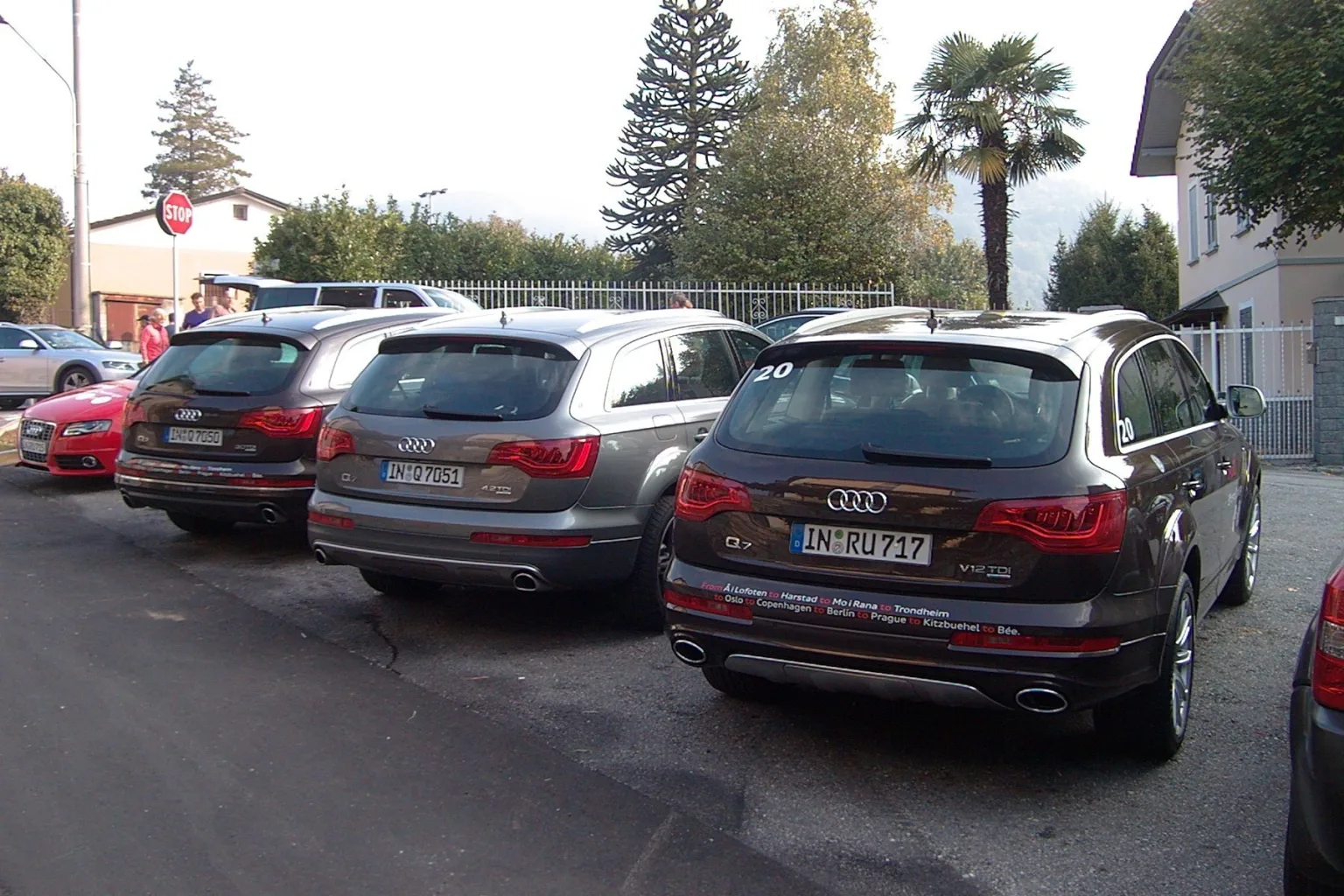
In September 2009, Audi organised the Efficiency Challenge A to B, a long-distance driving event designed to showcase the efficiency and performance of its vehicles. The challenge saw 120 journalists and customers drive 20 Audi cars from five different model series on a demanding 4,182 kilometre route. Starting in Å, a remote village in Norway’s Lofoten archipelago, and finishing in Bée on Lake Maggiore in northern Italy, the route crossed eight countries over nine days.
Overview of the Audi Efficiency Challenge A to B
Purpose and Context
The event was conceived at a time when car manufacturers faced growing pressure to improve fuel economy and reduce emissions, especially in Europe where regulations were tightening. Audi aimed to demonstrate that efficiency was not just a feature of its most eco-focused models, but a standard across its entire line-up. By inviting both journalists and customers to participate, Audi intended to provide real-world evidence of its vehicles’ capabilities in everyday driving conditions, rather than just controlled laboratory tests.
Route Details: From A to B
The choice of starting and ending points was a play on the phrase “driving from A to B.” Audi took this literally by beginning in Å, Norway, and ending in Bée, Italy. The convoy travelled through eight countries, encountering a variety of road conditions, climates, and terrains. This route was intended to reflect the diverse scenarios drivers face in daily life, thereby highlighting the versatility and efficiency of the participating vehicles.
Vehicles Participating in the Challenge
Audi selected a diverse mix of vehicles for the challenge, representing both the most economical and the most powerful models from each of the five series. The line-up included both diesel and petrol engines, allowing the brand to showcase the breadth of its engineering.
- Audi A3 1.6 TDI (99g/km CO2) and S3 Sportback
- Audi A4 2.0 TDI e and S4 (333hp)
- Audi A5 Sportback 2.0 TFSI and 3.2 FSI
- Audi Q7 3.0 TDI clean diesel quattro and 6.0 TDI quattro
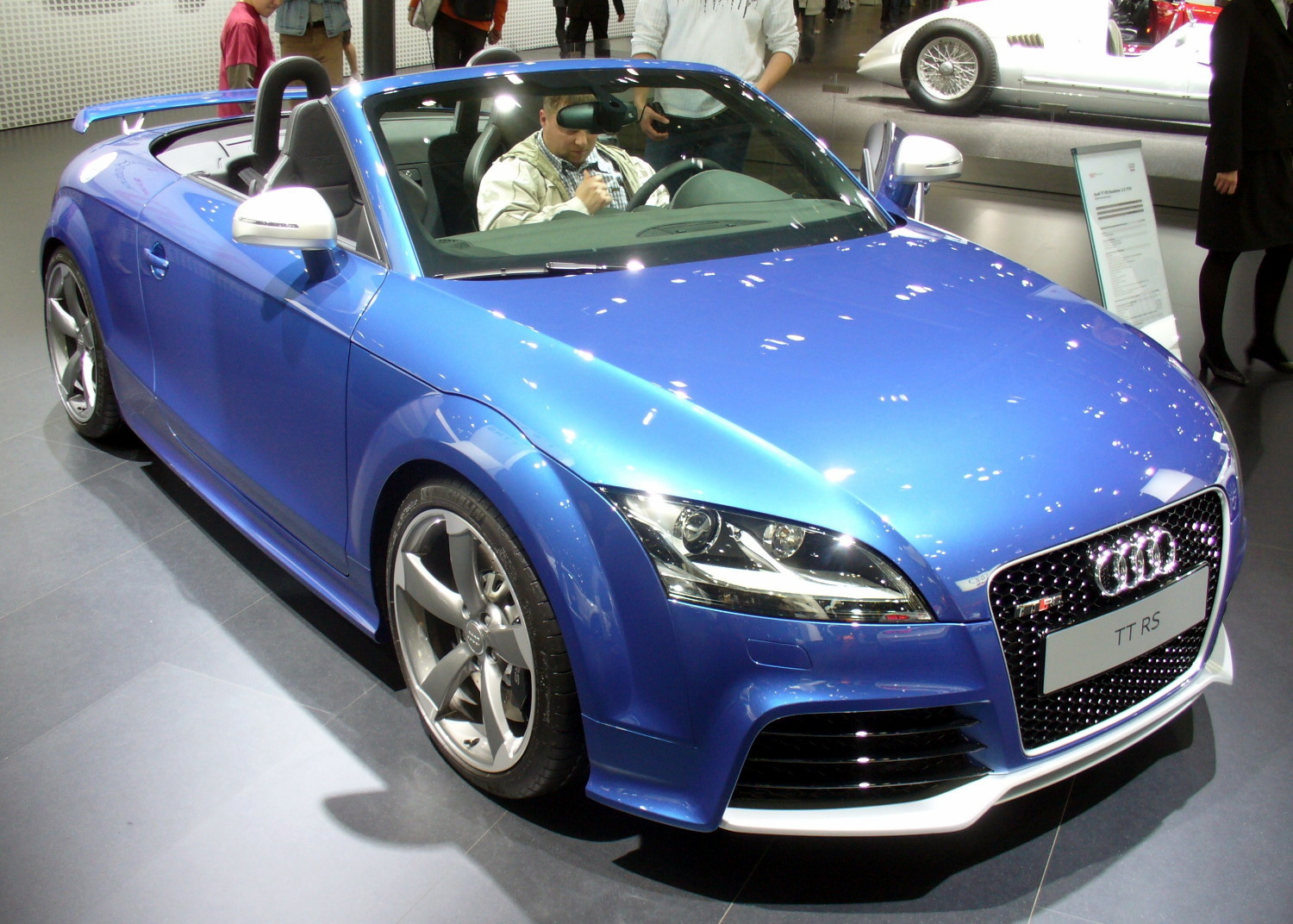
- Audi TT 2.0 TDI quattro and TT RS
This selection allowed Audi to demonstrate the efficiency of its mainstream diesel models, such as the A3 1.6 TDI, which was highlighted for its low CO2 emissions of 99g/km. At the same time, the inclusion of performance models like the S3 Sportback and the TT RS showed that even high-powered vehicles could complete the same demanding route. The Q7 6.0 TDI quattro, featuring a diesel V12 engine, further illustrated the range’s capabilities.
Participants and Organisation
A total of 120 people, a mix of journalists and Audi customers, took turns behind the wheel during the journey. The event was structured to allow different drivers to experience each vehicle, providing a broad perspective on how the cars performed over long distances and in varied conditions. This approach helped ensure that the results reflected a range of driving styles and experiences, rather than being limited to a single test driver or a laboratory setting.
Significance for Audi and the Industry
By staging the Efficiency Challenge A to B, Audi aimed to reinforce its reputation as a manufacturer capable of balancing performance with environmental responsibility. The event came at a time when public and regulatory attention on vehicle emissions was increasing, and manufacturers were seeking ways to demonstrate compliance and innovation. The challenge served as a public demonstration of Audi’s engineering, with both fuel-efficient and high-performance models completing a substantial and varied route across Europe.
The inclusion of both everyday models and high-powered variants sent a message that efficiency was not confined to niche products. Instead, Audi positioned itself as offering a broad range of vehicles that could meet the demands of modern drivers, whether they prioritised low emissions, dynamic performance, or both.
Legacy and Impact
While the event was a showcase rather than a competitive rally, it highlighted the direction in which Audi and other manufacturers were heading in response to environmental and regulatory pressures. The Efficiency Challenge A to B demonstrated the practical benefits of new engine technologies and efficiency measures, and contributed to the broader conversation about sustainable mobility in Europe.
The challenge also provided participants with firsthand experience of Audi’s latest models, potentially influencing both media coverage and customer perceptions. By involving journalists and customers directly, Audi was able to generate authentic feedback and coverage that extended beyond the event itself.
Summary
The Audi Efficiency Challenge A to B was a significant event in 2009, bringing together a diverse group of participants to drive a variety of Audi vehicles across Europe. Covering over 4,000 kilometres in nine days, the event illustrated Audi’s commitment to efficiency and performance throughout its model range, at a time when these qualities were becoming increasingly important in the automotive industry.