Toyota Prius Plug-in Hybrid Production to End in June
Toyota will halt production of the Prius PHV next month as it prepares for the next-generation model, with the current plug-in hybrid exiting after several years on the market.
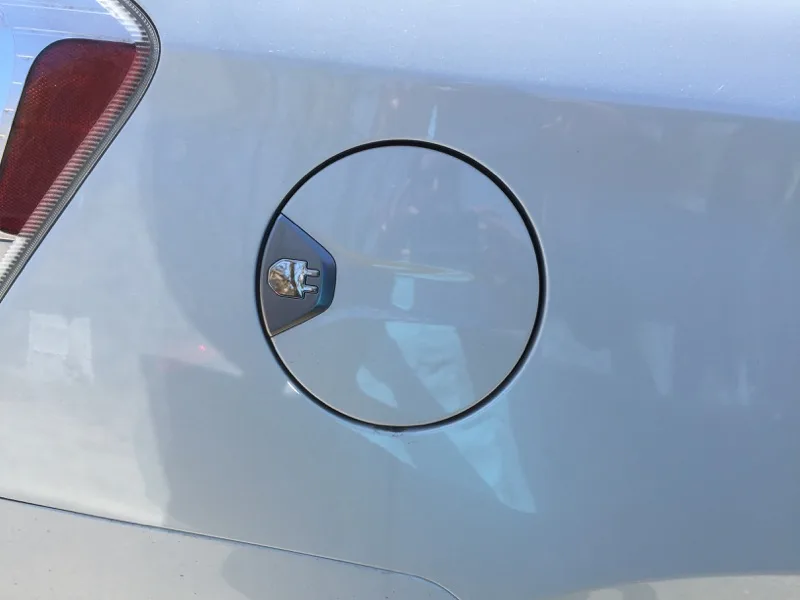
Toyota will cease production of the Prius Plug-in Hybrid (PHV) in June, clearing the way for a new generation of the model. The current Prius PHV, which has been on the market since 2012, will be discontinued as the company shifts focus to developing its successor. The move marks the end of an era for Toyota’s first mainstream plug-in hybrid, which has played a key role in the brand’s hybrid strategy.
Toyota to End Prius PHV Production in June
Current Prius PHV: Specifications and Performance
The outgoing Prius PHV uses a 1.8-litre four-cylinder petrol engine paired with an electric motor and a 4.4 kWh lithium-ion battery. This setup delivers a combined 136 hp (100 kW). According to Toyota, the car returns 2.1L/100km (134.5 mpg UK) on the official cycle. Acceleration from 0 to 100 km/h takes 10.7 seconds, and it has a top speed of 180 km/h (112 mph).
| Engine | 1.8-litre four-cylinder petrol |
|---|---|
| Electric motor | Synchronous AC motor |
| Battery | 4.4 kWh lithium-ion |
| Combined power | 136 hp (100 kW) |
| 0-100 km/h | 10.7 seconds |
| Top speed | 180 km/h (112 mph) |
| Official fuel consumption | 2.1L/100km (134.5 mpg UK) |
Background and Significance
The Toyota Prius has long been recognised as a pioneering hybrid vehicle, being the first hybrid to achieve widespread popularity. Since its debut, the Prius line has become symbolic of Toyota’s commitment to hybrid technology. The introduction of the Prius PHV in 2012 expanded the range by offering plug-in capability, giving drivers the flexibility of electric-only driving for short distances while retaining the reliability of a petrol engine for longer journeys. Over its production run, the Prius PHV has contributed to Toyota’s reputation as a leader in eco-friendly automotive solutions.
Next-Generation Prius PHV Development
Toyota is developing a new generation of the Prius PHV, but has not confirmed a launch date. The regular Prius replacement has also been delayed, making a 2016 arrival for the next plug-in hybrid likely. No official information has been released on the powertrain or battery improvements for the upcoming model, but expectations are that Toyota will introduce significant updates to keep pace with advancements in plug-in hybrid technology and growing competition in the segment.
What the Production Stop Means for Buyers and Dealers
With production ending next month, remaining Prius PHV stock will be limited to vehicles already built. Dealers may offer discounts to clear inventory ahead of the next-generation launch. Buyers interested in the current model will need to act quickly before supplies run out. The end of production could also affect used car values, as the outgoing Prius PHV may become harder to find in the coming months. For existing owners, Toyota is expected to continue providing support and spare parts for the current generation, as is typical for discontinued models.